
+86 131 2258 8040
Phone / WhatsApp / WeChat
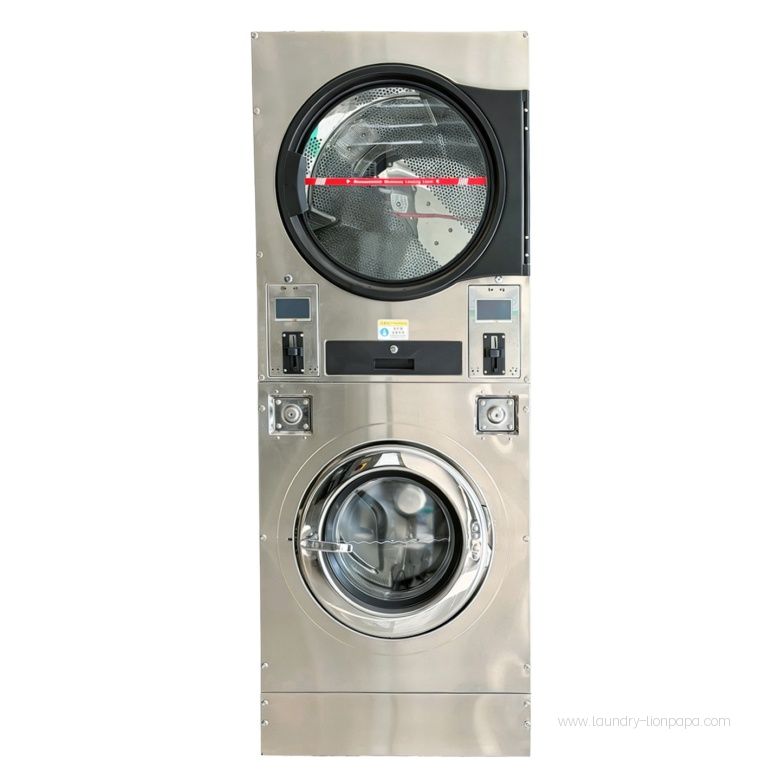
Laundromat operators face a fundamental equipment decision between stack washer-dryer combinations and separate washer and dryer units. This choice affects facility capacity, customer experience, installation requirements, and long-term operational costs. Understanding the trade-offs between these configurations enables informed decisions aligned with your business objectives.
Space Efficiency Analysis
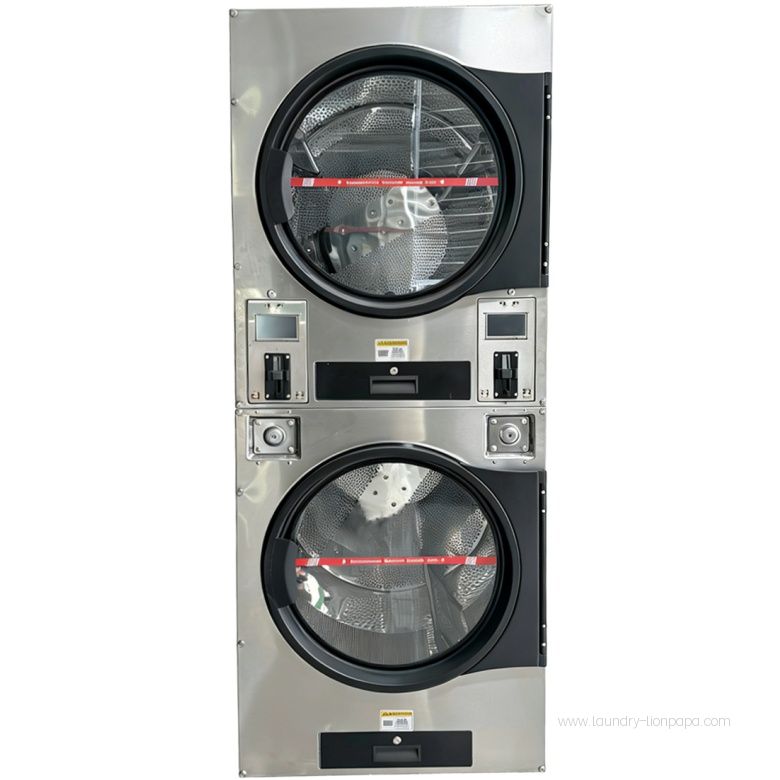
Stack washer-dryer combinations occupy approximately half the floor space of separate washer and dryer installations. This space efficiency allows operators to double equipment capacity within the same facility footprint, directly increasing revenue potential per square foot. In urban locations where rent represents a significant operational expense, this space efficiency substantially improves profit margins.
The space advantage becomes particularly valuable in facilities with limited square footage or irregular floor plans. Stack units enable operators to maximize equipment count in smaller locations where separate machines would leave underutilized space. This configuration flexibility expands location options for new laundromat ventures.
However, separate units offer layout flexibility that stack configurations cannot match. Operators can position washers and dryers in different areas of the facility to optimize customer flow and reduce congestion during peak periods. This flexibility enables creative facility designs that differentiate from competitors.
Customer Experience Differences
Stack washer-dryer combinations provide customer convenience through direct wash-to-dry transitions. Customers transfer wet laundry from washer to dryer without moving between different areas of the facility, reducing handling and potential for lost items. This streamlined experience appeals to customers seeking efficient laundry completion.
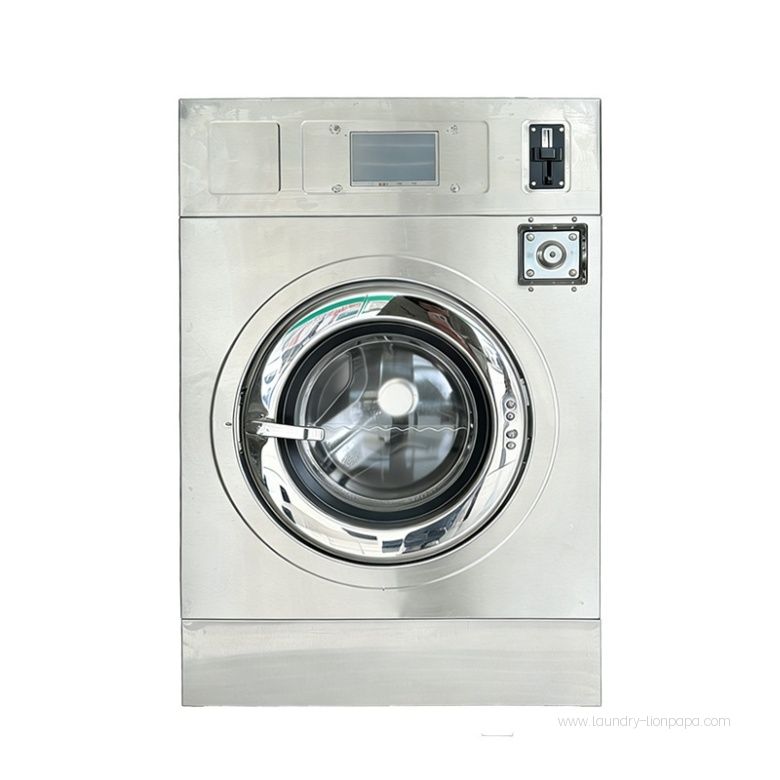
However, separate units offer advantages for customers with multiple loads. While one load washes, customers can dry a previously washed load simultaneously, reducing total facility visit time. This parallel processing capability appeals to busy customers seeking to minimize laundry time.
Separate units also provide flexibility for customers who prefer specific machines. Some customers develop preferences for particular washers or dryers based on previous experience, seeking out their preferred equipment each visit. Separate configurations enable this customer behavior while stack units may limit machine choice when one component is unavailable.
Operational Considerations
Stack washer-dryer units share utility connections between washer and dryer components, reducing installation complexity and cost. Single electrical, water, and drainage connections serve both machines, simplifying utility infrastructure requirements. Shared venting for dryer components further reduces installation costs compared to separate dryer installations.
Maintenance considerations differ significantly between configurations. Stack units with shared components may require more complex diagnostic procedures when issues affect both washer and dryer. Integrated control systems necessitate specialized technical knowledge for troubleshooting and repair.
Separate units allow independent maintenance of washers and dryers. A malfunctioning dryer does not affect washer availability, maintaining revenue generation capability even during repairs. This operational independence reduces revenue loss from equipment downtime.
Revenue Generation Potential
Stack washer-dryer combinations typically command premium pricing due to their convenience advantages. Customers value the streamlined experience and reduced handling, often accepting higher per-cycle costs for these benefits. This premium pricing potential improves revenue per machine.
Higher equipment density enabled by stack configurations increases total revenue capacity within facility space limits. More machines serving customers simultaneously improves throughput during peak demand periods when revenue potential is highest.
Separate configurations may offer better utilization optimization. During peak periods when dryer capacity is the limiting factor, additional dryers can process loads while washers remain underutilized. This imbalance optimization is more difficult with stack units where washer and dryer availability are coupled.
Installation and Infrastructure Requirements
Stack washer-dryer units require consideration of structural support for combined weight. Floor load capacity must accommodate both machines, and wall anchoring may be necessary for safe installation. These structural requirements may necessitate floor reinforcement in older buildings.
Electrical requirements for stack units must account for potential simultaneous operation of washer and dryer components. Adequate circuit capacity prevents overloading during peak usage when customers operate both machines. Dedicated circuits for each stack unit ensure reliable operation.
Separate unit installations require individual utility connections for each machine, increasing installation complexity and cost. However, this distributed infrastructure may provide redundancy advantages when utility issues affect specific connections.
Cost Comparison
Initial purchase costs for stack washer-dryer combinations may exceed separate unit pricing due to integrated design and shared components. However, installation cost savings from reduced utility infrastructure often offset higher equipment costs.
Long-term maintenance costs vary based on configuration complexity. Stack units with integrated systems may require more expensive repairs when issues affect shared components. Separate units allow targeted maintenance of individual machines, potentially reducing repair costs.
Energy efficiency comparisons depend on specific models and usage patterns. Stack units with coordinated operation may optimize energy usage through synchronized cycles. However, separate units allow independent optimization of washer and dryer efficiency based on individual performance characteristics.
Decision Framework
Choose stack washer-dryer combinations when floor space is limited or expensive, premium pricing for convenience aligns with market positioning, facility layout benefits from vertical equipment arrangement, or installation infrastructure simplification provides significant cost savings.
Choose separate units when facility layout flexibility is valuable for customer flow optimization, independent maintenance capability is important for operational reliability, customer preferences favor specific machine selection, or parallel processing of multiple loads serves target customer needs.
Many successful laundromats combine both configurations, using stack units for space-efficient capacity and separate units for flexibility and customer choice. This hybrid approach optimizes both space utilization and operational flexibility.