
+86 131 2258 8040
Phone / WhatsApp / WeChat
High-traffic laundromat facilities face unique operational challenges that require specialized equipment solutions. Double-tub dryers address these challenges by providing doubled drying capacity within a single footprint, significantly improving operational efficiency during peak demand periods. Understanding the advantages of double-tub configurations enables operators to optimize equipment selection for maximum profitability.
Capacity Doubling Without Space Expansion
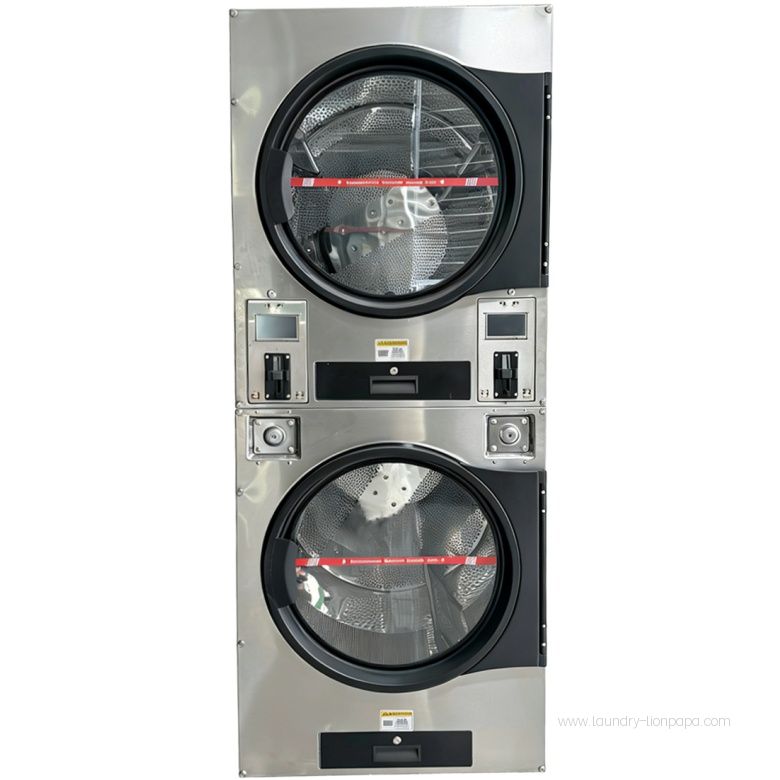
Double-tub dryers feature two independently operating drying compartments stacked vertically, effectively doubling drying capacity without proportionally increasing floor space requirements. This configuration addresses a fundamental operational challenge: drying cycles typically take longer than washing cycles, creating bottlenecks during busy periods when customers compete for limited dryer availability.
The space efficiency of double-tub configurations allows operators to increase drying capacity without expanding facility footprint. This advantage is particularly valuable in established facilities where expansion is impractical or in urban locations where additional space comes at premium cost. Operators can upgrade capacity through equipment replacement rather than facility expansion.
Independent Compartment Operation
Each drying compartment in a double-tub dryer operates independently with individual controls, coin mechanisms, and heating systems. This independence provides operational flexibility that single-tub designs cannot match. Customers can select different drying times and temperatures for each compartment based on specific load requirements.
Independent operation prevents issues in one compartment from affecting the other. If maintenance is required for one drying unit, the second unit continues operating, maintaining revenue generation capability. This operational resilience reduces revenue loss from equipment downtime compared to single-tub configurations where the entire machine becomes unavailable during repairs.
The flexibility to run different cycle types simultaneously serves diverse customer needs. A customer can dry delicate items at low temperature in one compartment while another customer uses high heat for towels in the upper compartment. This capability improves customer satisfaction by accommodating specific drying requirements without waiting for a specialized machine.
Peak Period Performance
Peak demand periods create the greatest operational stress on laundromat facilities. During these times, dryer availability often becomes the limiting factor for customer throughput. Double-tub dryers address this constraint by providing additional drying capacity precisely when demand is highest.
Reduced customer wait times during peak periods improve satisfaction and encourage repeat business. Customers who experience consistent equipment availability during busy times develop positive perceptions of facility reliability. This reputation for availability differentiates successful laundromats from competitors with inadequate capacity.
The additional capacity also enables operators to serve more customers per hour during prime operating times. Higher throughput during peak periods maximizes revenue generation from the most valuable operating hours. Studies indicate that laundromat revenue is concentrated during relatively few peak hours, making capacity optimization during these periods particularly important.
Energy Efficiency Considerations
Double-tub dryers often achieve better energy efficiency per drying cycle compared to running two separate dryers. Shared components such as control systems and some structural elements reduce total material usage. Optimized airflow designs for double-tub configurations may improve thermal efficiency through shared heating system components.
Heat recovery systems available on some double-tub models capture and reuse thermal energy from exhaust air, further improving efficiency. These systems can reduce energy consumption by 15-25% compared to conventional dryers, providing significant cost savings over equipment operational lifetime.
However, energy efficiency depends on proper usage patterns. Running both compartments at partial capacity is less efficient than running one compartment at full capacity. Customer education about optimal loading practices helps maximize efficiency benefits of double-tub configurations.
Installation and Maintenance Considerations
Double-tub dryers require adequate electrical capacity to support simultaneous operation of both drying compartments. Circuit sizing must account for peak power draw when both units operate at full heating capacity. Gas-heated models require appropriate gas line sizing to supply both heating systems.
Ventilation systems must handle combined airflow from both compartments. Duct sizing and routing should ensure efficient moisture removal while preventing lint accumulation in shared ventilation paths. Regular maintenance of combined ventilation systems is critical for safe, efficient operation.
Maintenance scheduling should consider the dual-compartment design. While some maintenance activities can address both compartments simultaneously, others require individual attention. Establishing comprehensive maintenance schedules that cover both shared and individual components ensures reliable operation.
Revenue Optimization Strategies
Pricing strategies for double-tub dryers should reflect their premium capacity and convenience value. Customers value reduced wait times and the ability to complete multiple drying tasks simultaneously. Premium pricing captures this value while maintaining competitiveness with facilities offering single-tub alternatives.
Time-based pricing models work well with double-tub configurations, allowing customers to purchase appropriate drying time for their specific loads. Variable pricing by time of day can incentivize off-peak usage, improving overall facility utilization while maintaining premium pricing during peak demand periods.
Target Facility Profiles
Double-tub dryers deliver maximum value in facilities with specific characteristics. High customer traffic creating regular dryer wait times indicates need for increased capacity. Limited floor space preventing additional single-tub installations makes vertical solutions attractive. Premium customer segments valuing time savings and convenience justify investment in advanced equipment. Energy cost structures benefiting from efficiency improvements provide additional financial justification.
Facilities with lower traffic volumes or ample space may achieve similar capacity through additional single-tub dryers at potentially lower cost. Equipment selection should match specific facility requirements and customer demand patterns.
Integration with Overall Equipment Mix
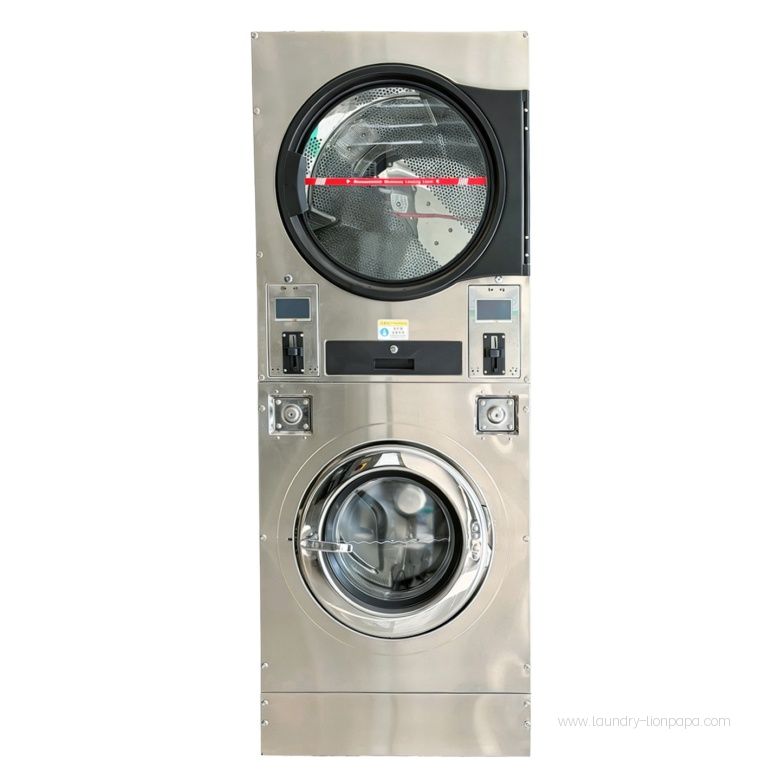
Double-tub dryers work well as part of a diversified equipment portfolio. Combining double-tub units with single-tub dryers and stack washer-dryer combinations creates a balanced facility that serves diverse customer needs. The mix of equipment types provides flexibility for different load sizes and customer preferences.
Planning equipment layout should consider customer flow patterns around double-tub units. Adequate space for loading and unloading both compartments improves customer experience. Clear sight lines to both compartments help customers monitor their laundry without interfering with other facility users.