
+86 131 2258 8040
Phone / WhatsApp / WeChat
When investing in coin-operated washing machines for your laundromat business, understanding the key features that differentiate commercial equipment from residential units is essential for making informed purchasing decisions. Commercial-grade washing machines are engineered specifically for high-volume, continuous operation environments where reliability and efficiency directly impact profitability.
Commercial-Grade Construction
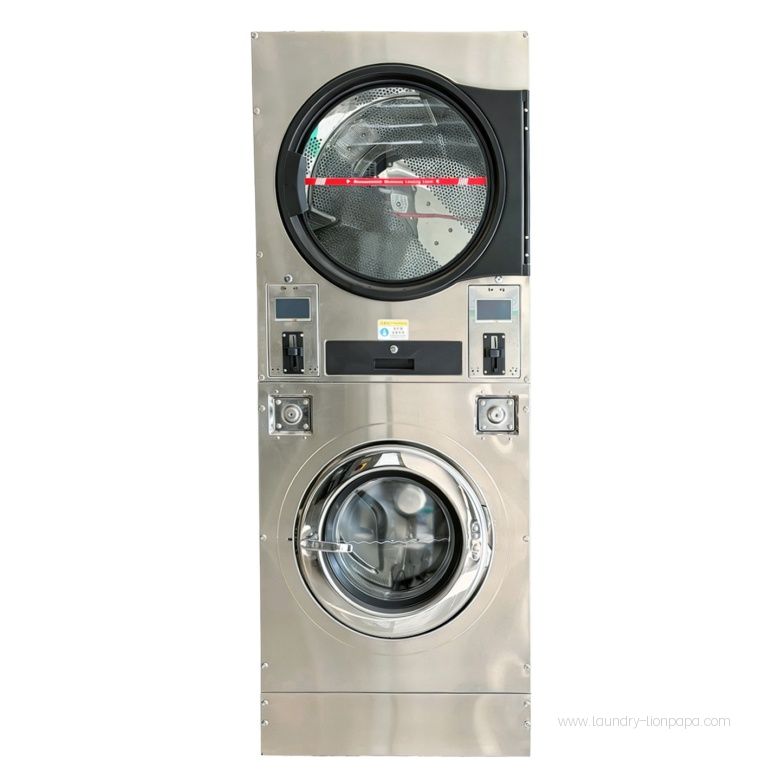
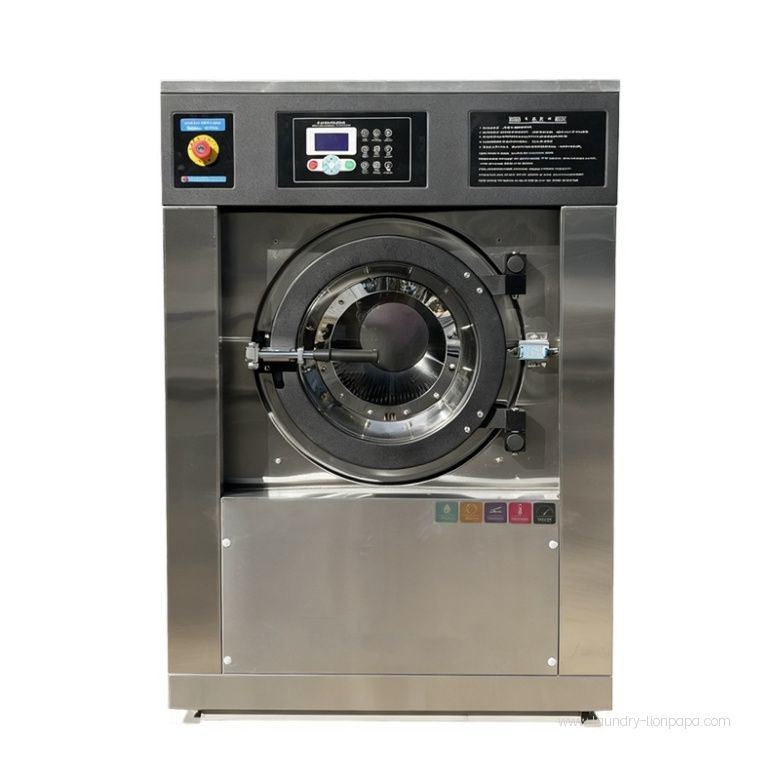
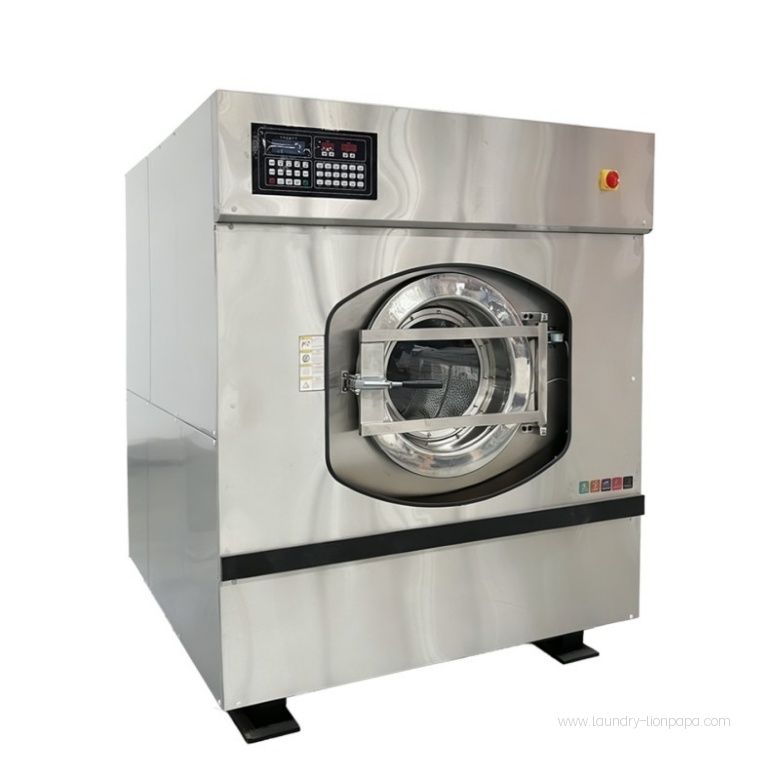
The construction quality of coin-operated washing machines significantly influences their operational lifespan and maintenance requirements. Commercial units feature reinforced stainless steel drums that resist corrosion and damage from heavy use. Unlike residential machines with plastic components, commercial washers incorporate metal bearings, heavy-duty motors, and industrial-grade seals designed for thousands of wash cycles.
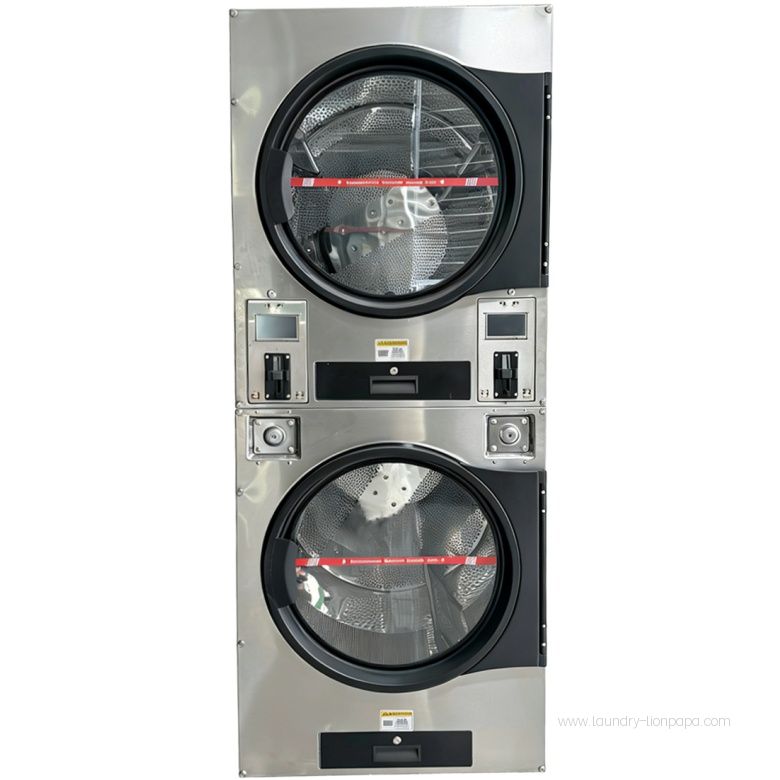
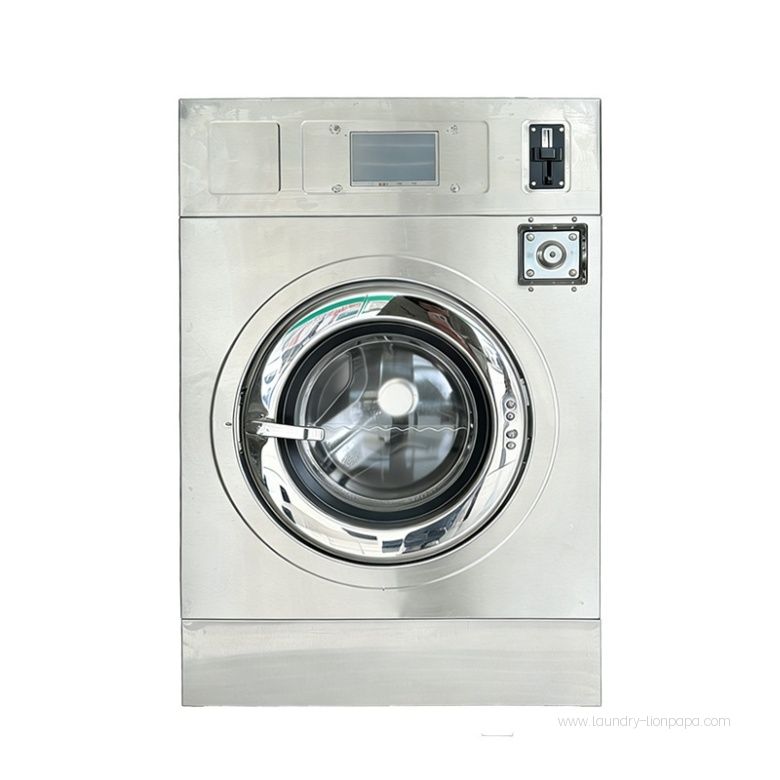
The cabinet construction of commercial machines typically utilizes galvanized steel or stainless steel, providing durability against the moisture-rich environment of laundromat facilities. Powder-coat finishes resist scratching and corrosion, maintaining professional appearance even after years of customer use. Front-load designs with large door openings facilitate easy loading and unloading while reducing water consumption compared to top-load alternatives.
Capacity and Performance
Commercial washing machines offer capacities ranging from 12kg to over 30kg, accommodating diverse customer needs from individual loads to large family washes. Larger capacity machines generate higher revenue per cycle but require proportionally greater initial investment and floor space. The optimal capacity mix depends on your target customer demographics and facility size.
High-extraction spin cycles represent a critical performance feature that affects drying time and energy consumption. Machines with extraction speeds of 700-1000 RPM remove significantly more water during the spin cycle, reducing dryer operating time and improving overall facility throughput. This feature directly impacts customer satisfaction by reducing total laundry time.
Payment System Integration
Modern coin-operated washing machines offer flexible payment system options to accommodate diverse customer preferences. Traditional mechanical coin mechanisms provide reliable operation with minimal maintenance requirements. Advanced digital coin systems accept multiple coin denominations and provide audit capabilities for revenue tracking.
Many commercial washers now support hybrid payment systems that combine coin operation with card readers or mobile payment options. This flexibility allows operators to serve customers who prefer cashless transactions while maintaining the simplicity of coin systems for traditional users. Payment system selection should align with local market demographics and customer preferences.
Control Systems and Programmability
Digital control panels enable precise cycle customization and operational optimization. Programmable wash cycles allow operators to adjust water temperature, wash duration, and rinse cycles based on local conditions and customer preferences. Multiple preset programs accommodate different fabric types and soil levels, improving customer satisfaction and reducing complaints.
Advanced control systems often include revenue tracking features that monitor machine usage and income generation. Remote monitoring capabilities enable operators to track equipment performance and identify maintenance needs without physical inspection. These features improve operational efficiency and enable data-driven decision making for pricing and maintenance strategies.
Energy and Water Efficiency
Energy efficiency features directly impact operating costs and environmental footprint. Modern commercial washers incorporate variable frequency drives that optimize motor performance for different load sizes, reducing energy consumption during partial loads. High-efficiency wash cycles minimize water usage while maintaining cleaning effectiveness, reducing both water and heating costs.
Water recycling systems capture and filter rinse water for reuse in subsequent wash cycles, reducing water consumption by up to 50% compared to conventional machines. While these systems increase initial equipment cost, water savings typically provide return on investment within 2-3 years of operation. Energy Star certified models meet established efficiency standards and may qualify for utility rebates or incentives.
Maintenance and Serviceability
Service accessibility affects maintenance costs and equipment uptime. Commercial machines designed with front-access service panels enable technicians to perform routine maintenance without removing equipment from service. Modular component designs facilitate faster repairs and reduce parts inventory requirements.
Established manufacturers typically provide better parts availability and technical support compared to lesser-known brands. Before purchasing, verify that replacement parts are readily available from local or regional suppliers. Consider warranty coverage terms and service network coverage in your area to ensure prompt support when issues arise.
Safety and Compliance Features
Commercial washing machines must meet safety standards applicable to public-use equipment. Door interlock systems prevent opening during operation, protecting users from moving parts and hot water. Emergency stop buttons provide immediate shutdown capability for safety emergencies.
Electrical systems must comply with local codes and typically require dedicated circuits with proper grounding. Water connections should include backflow prevention devices to protect municipal water supplies. Equipment certification marks such as CE, UL, or ETL indicate compliance with relevant safety and performance standards.
Choosing the Right Features for Your Business
Feature selection should align with your target market, operational capabilities, and budget constraints. High-traffic facilities benefit from durability features and efficient service access, while locations serving environmentally conscious customers may prioritize efficiency features. Payment system selection should match local customer preferences and technological sophistication.
Consider total cost of ownership rather than focusing solely on purchase price. Energy-efficient models with higher initial costs often generate significant savings over their operational lifetime. uate feature benefits against your specific operational requirements to identify the optimal balance of capability and cost for your business.