
+86 131 2258 8040
Phone / WhatsApp / WeChat
Small businesses across various industries require laundry solutions for uniforms, linens, and operational needs. Coin-operated laundry equipment provides cost-effective solutions for businesses without industrial laundry requirements. Understanding small business needs enables appropriate equipment recommendations.
Business Laundry Needs
Uniform maintenance presents ongoing laundry requirements. Restaurants, auto shops, and service businesses require clean uniforms daily. Convenient laundry solutions support professional appearance.
Linens and towels generate regular laundry volume. Small restaurants, salons, and service businesses use linens and towels that require frequent washing. Adequate laundry capacity maintains supply.
Specialty items may require specific laundering. Some businesses have unique laundry needs for specialty textiles. Equipment selection should accommodate specific requirements.
Equipment Selection
Medium-capacity machines suit typical small business needs. Most small businesses have moderate laundry volume. Appropriate capacity matches demand without excessive equipment cost.
Durability ensures reliable service for business operations. Equipment downtime affects business operations. Reliable commercial equipment minimizes disruption.
Energy efficiency reduces operating costs important for small business budgets. Utility costs affect business profitability. Efficient equipment manages costs over time.
Location Options
On-site laundry provides convenience and control. Businesses with adequate space can install equipment on premises. Immediate availability enables flexible scheduling.
Laundromat use provides access to equipment without investment. Some businesses use commercial laundromats rather than installing equipment. This approach avoids capital investment and maintenance responsibility.
Combination approaches suit variable needs. Some businesses maintain minimal on-site equipment while using laundromats for peak periods. This approach balances convenience and cost.
Cost-Benefit Analysis
Capital investment versus operating cost comparison informs decisions. Equipment purchase requires upfront investment but may provide long-term savings. Laundromat use avoids investment but creates ongoing costs.
Utility and maintenance costs affect total ownership cost. Energy and water costs continue throughout equipment life. Maintenance requirements vary with equipment quality and usage.
Labor costs for laundry activities affect business operations. Staff time spent on laundry represents business cost. Efficient laundry processes minimize labor requirements.
Space Considerations
Available space affects equipment options. Some small businesses lack space for laundry equipment. Space constraints may require creative solutions or laundromat use.
Location within business premises affects operations. Laundry equipment should not interfere with core business activities. Utility access and ventilation affect placement options.
Multi-use spaces may accommodate laundry equipment. Some businesses can share space between laundry and other functions. Flexible arrangements maximize space utilization.
Operational Integration
Scheduling laundry activities around business operations. Laundry should not interfere with customer service or production. Off-peak hours provide opportunity for laundry activities.
Staff responsibilities for laundry operations. Employees may need training on equipment operation. Clear procedures ensure consistent results.
Quality control for laundry outcomes. Clean, well-maintained linens and uniforms reflect business quality. Consistent laundering maintains professional appearance.
Payment and Tracking
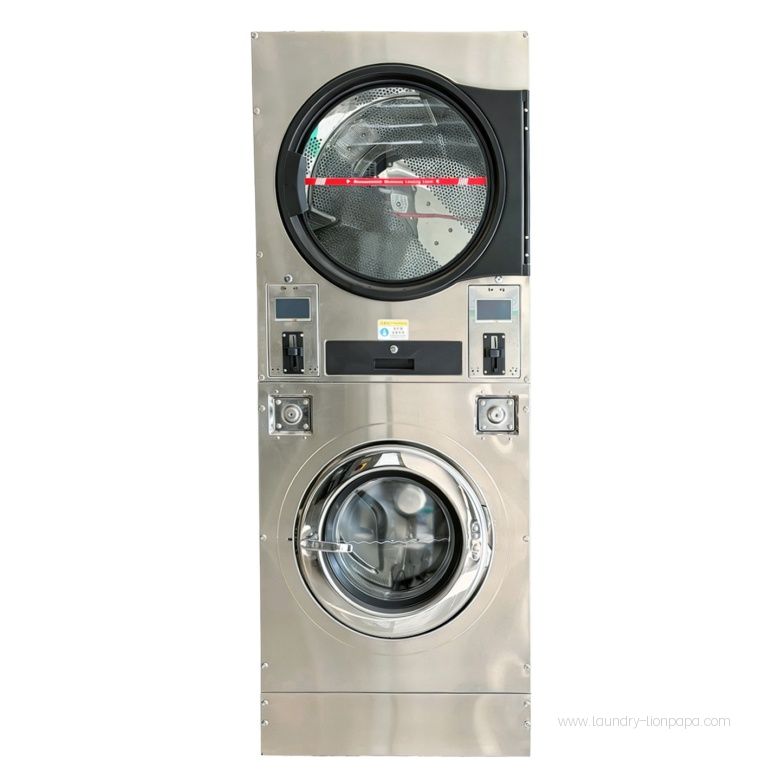
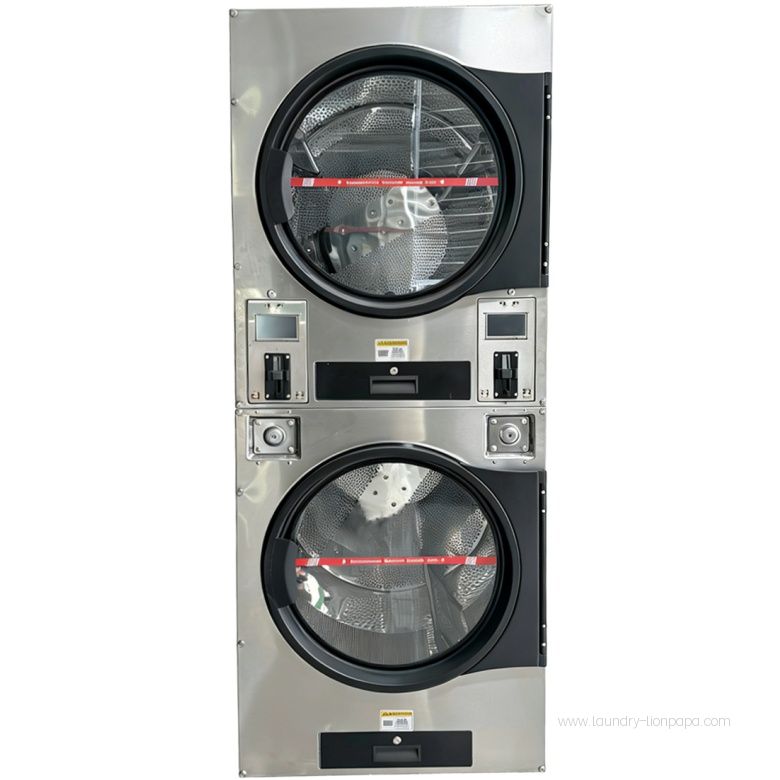
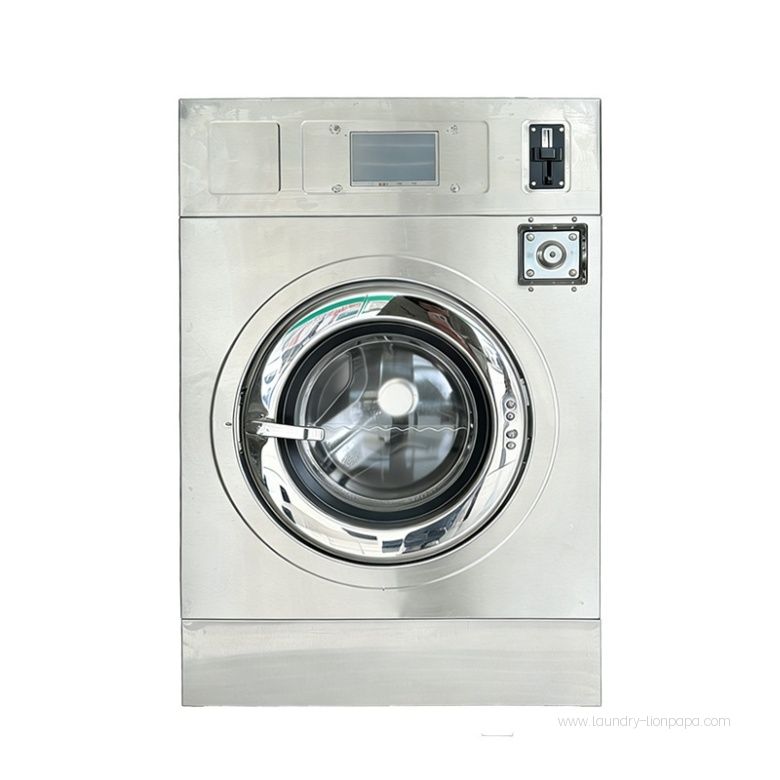
Coin-operated equipment provides simple payment method. Traditional coin mechanisms work well for business use. Simple systems require minimal training.
Card systems enable expense tracking. Business credit card payment creates automatic record. Expense reporting simplifies accounting.
Usage tracking enables cost allocation. Records of laundry activities support budgeting. Understanding usage patterns informs equipment decisions.
Maintenance Planning
Regular maintenance ensures reliable operation. Preventive maintenance prevents unexpected failures. Maintenance schedules should align with business operations.
Service contracts provide professional support. Guaranteed response times protect business operations. Reliable service relationships minimize downtime.
Parts availability affects repair timelines. Quick access to replacement parts enables faster repairs. Equipment from established brands typically has better parts availability.
Industry-Specific Considerations
Restaurant laundry includes heavy soil and grease. Equipment must handle demanding cleaning requirements. Appropriate cycles and temperatures ensure effective cleaning.
Salon and spa laundry includes towels and linens. Frequent washing requires durable equipment. Chemical treatments may require specific laundering procedures.
Auto and industrial laundry includes grease and oil. Heavy-duty cycles clean heavily soiled items. Equipment must handle demanding use.
Growth and Scalability
Future growth may increase laundry needs. Equipment selection should consider expansion potential. Modular equipment enables capacity increases.
Multi-location businesses may standardize equipment. Consistent equipment across locations simplifies training and maintenance. Volume purchasing may provide cost advantages.
Changes in business operations may affect laundry needs. Equipment flexibility accommodates changing requirements. Versatile equipment serves diverse needs over time.
Financial Planning
Equipment financing options manage cash flow. Payment plans or leasing arrangements spread costs over time. Financing makes equipment purchase more accessible for small businesses.
Operating budget planning includes laundry costs. Understanding ongoing costs enables accurate budgeting. Utility, supply, and maintenance costs require consideration.
Return on investment analysis justifies equipment purchase. Comparison of ownership costs versus laundromat use informs decisions. Financial analysis supports sound business decisions.