
+86 131 2258 8040
Phone / WhatsApp / WeChat
Hospitality properties require reliable laundry solutions for guest use and housekeeping operations. Coin-operated laundry equipment serves both guest needs and operational requirements in many hotel and motel properties. Understanding hospitality industry requirements enables appropriate equipment solutions.
Guest Laundry Services
Guest laundry facilities provide convenience for travelers on extended stays. Business travelers, families, and tourists appreciate the ability to launder clothes during their visits. Well-maintained guest laundry facilities enhance guest satisfaction and property ratings.
Machine selection for guest use should prioritize ease of operation and reliability. Clear instructions in multiple languages accommodate international guests. Automated payment systems eliminate the need for guests to obtain coins.
Equipment capacity should accommodate typical guest laundry needs. Medium-capacity machines suit individual travelers and couples. A few larger machines accommodate families or guests with bulky items. Balance capacity mix based on guest demographics.
Housekeeping Support
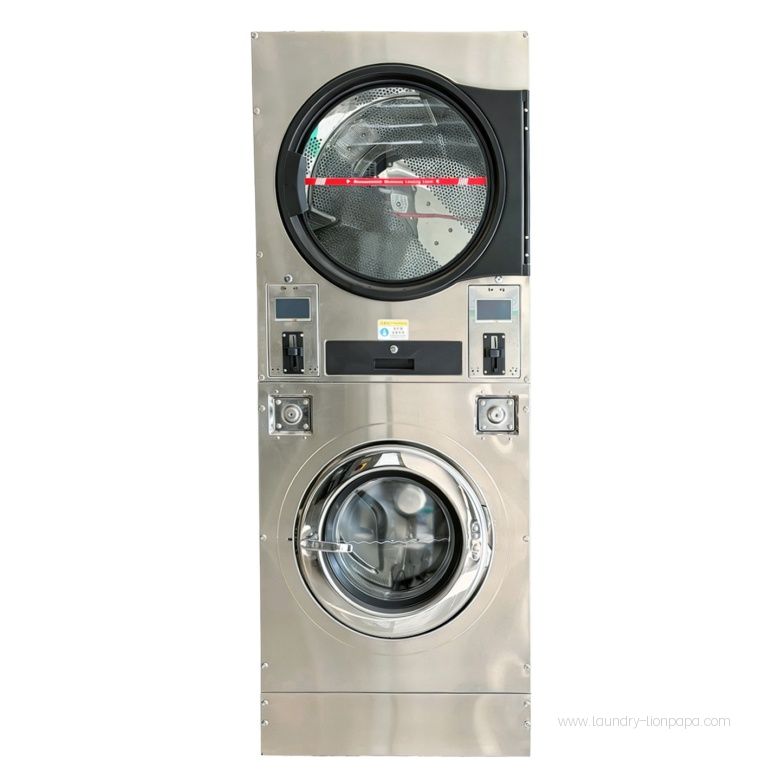
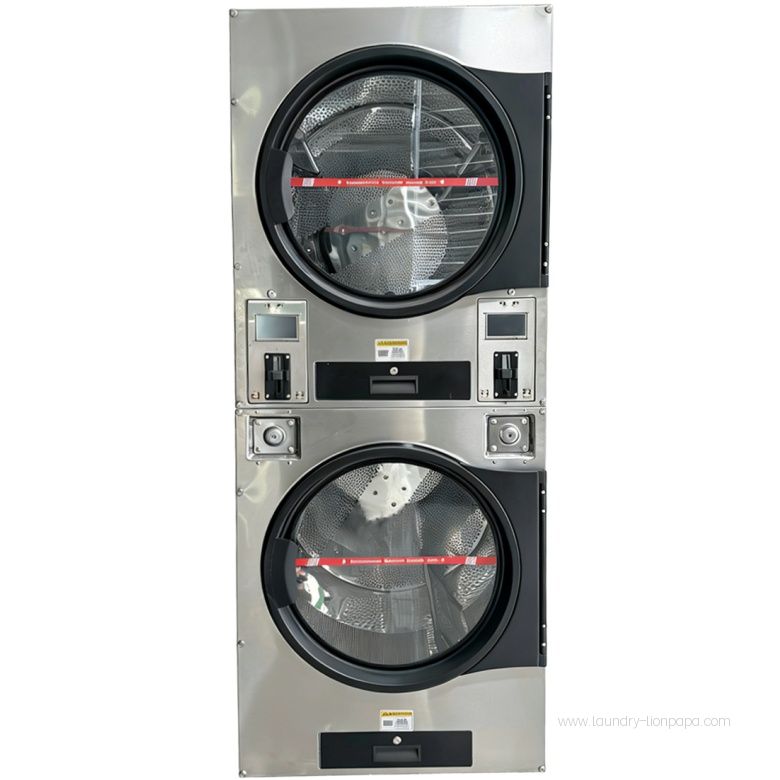
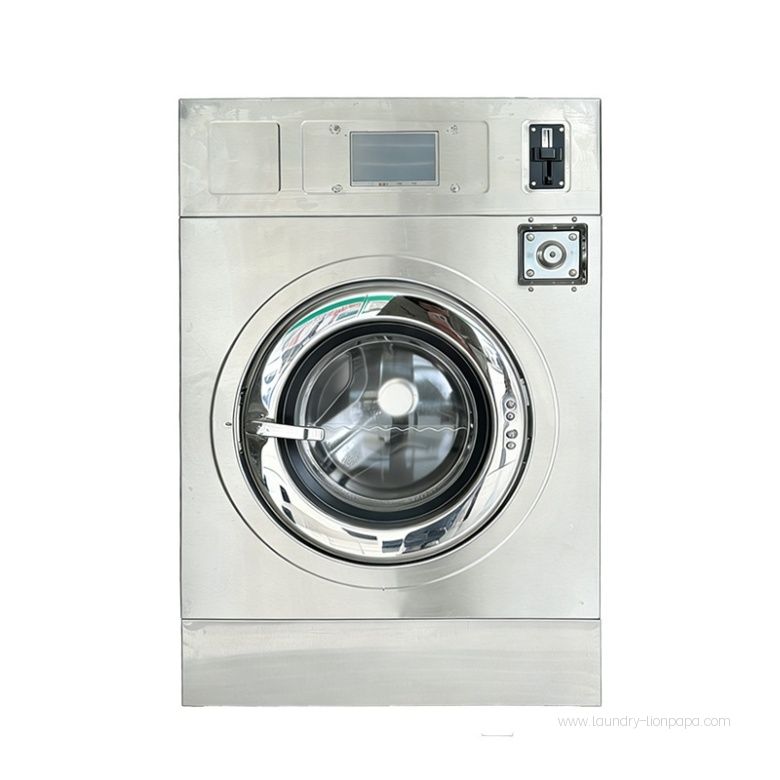
Commercial laundry equipment supports housekeeping operations for linens, towels, and staff uniforms. Smaller properties may use coin-operated equipment for housekeeping laundry rather than industrial machines. This approach provides flexibility and avoids capital investment in specialized equipment.
Equipment capacity must accommodate housekeeping volume. Analyze linen weight and laundry frequency to determine capacity requirements. Equipment reliability is critical for maintaining housekeeping operations.
Scheduling considerations separate guest use from housekeeping operations. Dedicated hours for housekeeping ensure equipment availability. Clear communication of laundry room availability prevents guest inconvenience.
Location and Access
Guest laundry room location affects convenience and property operations. Central locations provide easy access from guest rooms. Isolated locations may provide quiet operation but reduce convenience. Balance location considerations based on property layout.
Access control systems manage laundry room availability. Key card access restricts use to registered guests. Operating hours can be controlled through automated systems or property management.
Signage and wayfinding direct guests to laundry facilities. Clear directions from guest rooms and common areas improve guest experience. Professional signage reinforces property quality standards.
Equipment Features
Automated dispensing systems provide detergent and fabric softener for guest convenience. Vending machines or built-in dispensers eliminate the need for guests to bring supplies. Revenue from supply sales adds to laundry revenue.
Multiple cycle options accommodate different fabric types and soil levels. Delicate cycles, heavy-duty cycles, and quick cycles serve diverse guest needs. Clear labeling of cycle options reduces guest confusion.
Large capacity machines accommodate bulky items such as comforters and sleeping bags. Guests appreciate the ability to clean large items during extended stays. Premium pricing for large machines captures additional revenue.
Revenue Generation
Laundry revenue adds to property income streams. Pricing should reflect convenience value while remaining reasonable for guests. Higher prices than public laundromats are acceptable given convenience and service quality.
Payment systems should accommodate guest preferences. Credit card readers work well for business travelers. Coin-operated systems remain viable for some markets. Mobile payment options appeal to tech-savvy guests.
Revenue tracking enables financial management and reporting. Automated systems provide detailed transaction records. Integration with property management systems simplifies accounting.
Maintenance Considerations
Regular maintenance ensures reliable operation for guests and housekeeping. Equipment failures during peak guest periods create negative experiences. Preventive maintenance schedules minimize unexpected downtime.
Emergency repair capability addresses unexpected failures. Service contracts with guaranteed response times protect guest experience. Backup equipment plans ensure continued operation during major repairs.
Guest complaints about laundry equipment require prompt attention. Responsive maintenance demonstrates commitment to guest satisfaction. Property management values laundry operators who respond quickly to issues.
Safety and Security
Guest safety requires attention to equipment installation and maintenance. Proper electrical installation and grounding prevent hazards. Clear safety instructions reduce risk of guest injury.
Security measures protect against misuse and vandalism. Surveillance cameras deter inappropriate behavior. Access control systems restrict use to registered guests.
Linen security may be a concern in some properties. Guest laundry facilities are typically separate from housekeeping laundry to prevent confusion. Clear separation of guest and housekeeping supplies prevents losses.
Contract and Partnership Considerations
Property owners may prefer owned equipment, leased equipment, or revenue-sharing arrangements. Each model has different financial and operational implications. Understanding property owner preferences enables appropriate proposals.
Contract terms should define responsibilities clearly. Equipment ownership, maintenance obligations, and revenue arrangements require explicit agreement. Dispute resolution procedures prevent conflicts from escalating.
Service level agreements define expectations for maintenance response, equipment uptime, and customer service. Clear metrics and penalties ensure accountability. Well-designed agreements protect both property owners and laundry operators.