
+86 131 2258 8040
Phone / WhatsApp / WeChat
College and university campuses generate substantial laundry demand from student populations. Campus laundry facilities serve students living in dormitories and nearby housing. Understanding student needs and campus operational requirements enables appropriate equipment solutions.
Student Population Characteristics
Student populations create concentrated laundry demand during academic terms. Residence halls house hundreds or thousands of students in close proximity. This density generates high demand for laundry facilities during peak periods.
Student budgets are typically limited, creating price sensitivity. Affordable laundry services are appreciated by cost-conscious students. However, students also value convenience and may pay premium prices for quality service.
Technology adoption is high among student populations. Mobile payment, app-based machine monitoring, and text notifications align with student preferences. Tech-forward laundry solutions resonate with student users.
Peak Demand Management
Laundry demand peaks on weekends, particularly Sunday afternoons and evenings. Students typically do laundry between weekend activities and the upcoming academic week. Understanding peak patterns enables appropriate capacity planning.
Extended peak periods during finals week and before breaks require special attention. Students may do more laundry before returning home. Additional maintenance attention during high-stress periods prevents equipment failures.
Queue management systems reduce frustration during peak periods. Apps that show machine availability enable students to time their visits. Text notifications when machines become available reduce waiting time.
Equipment Selection
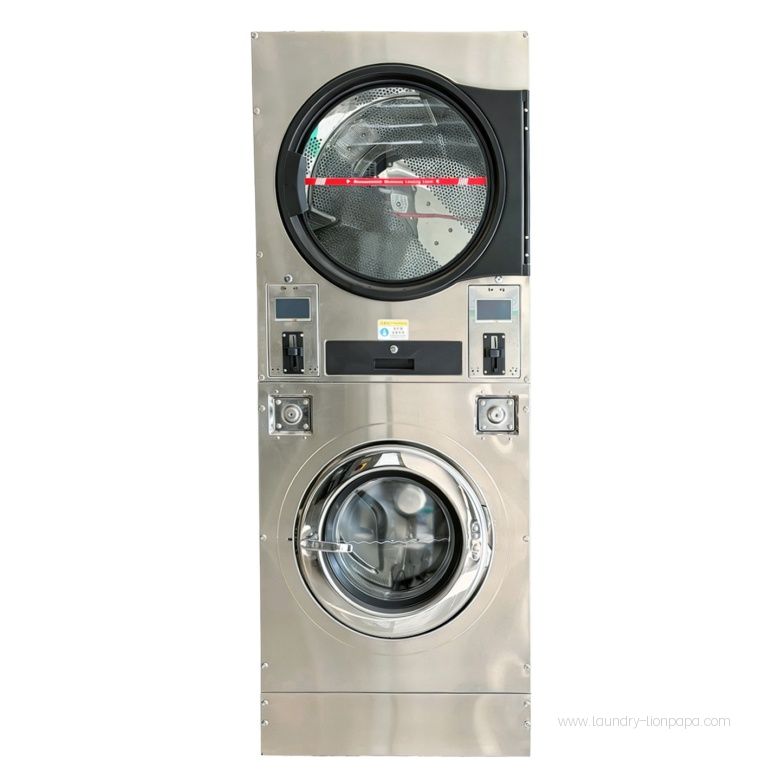
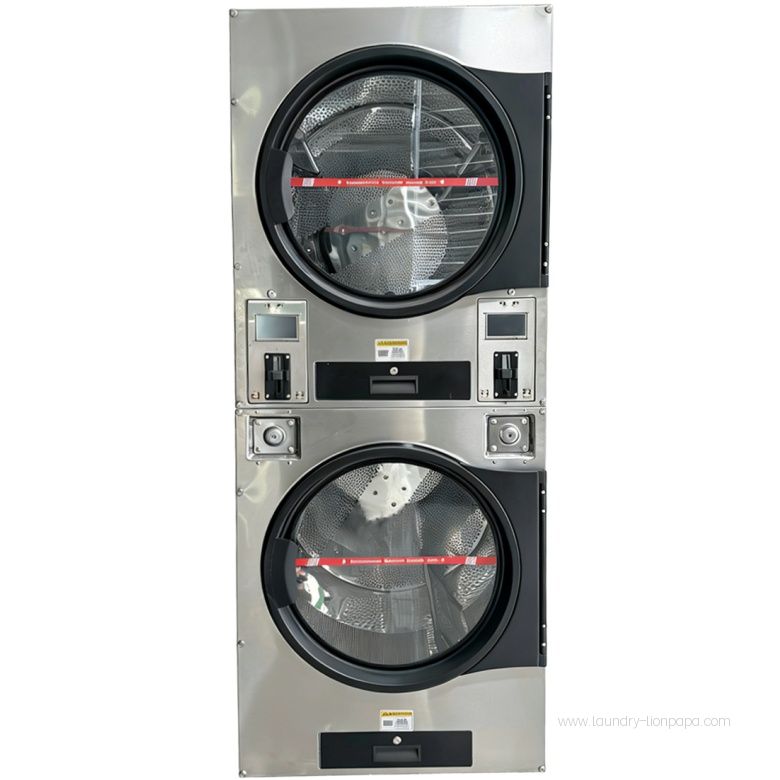
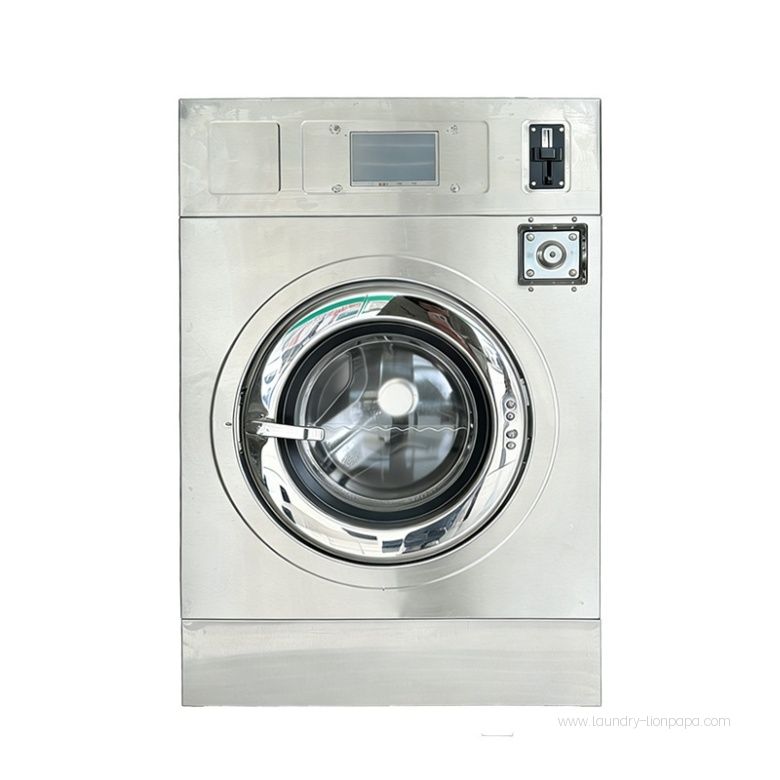
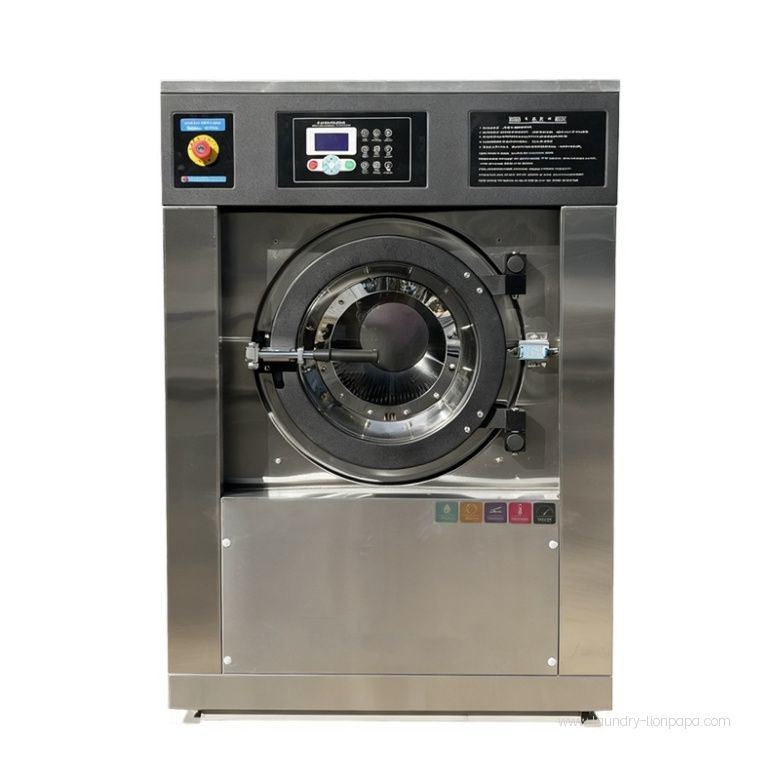
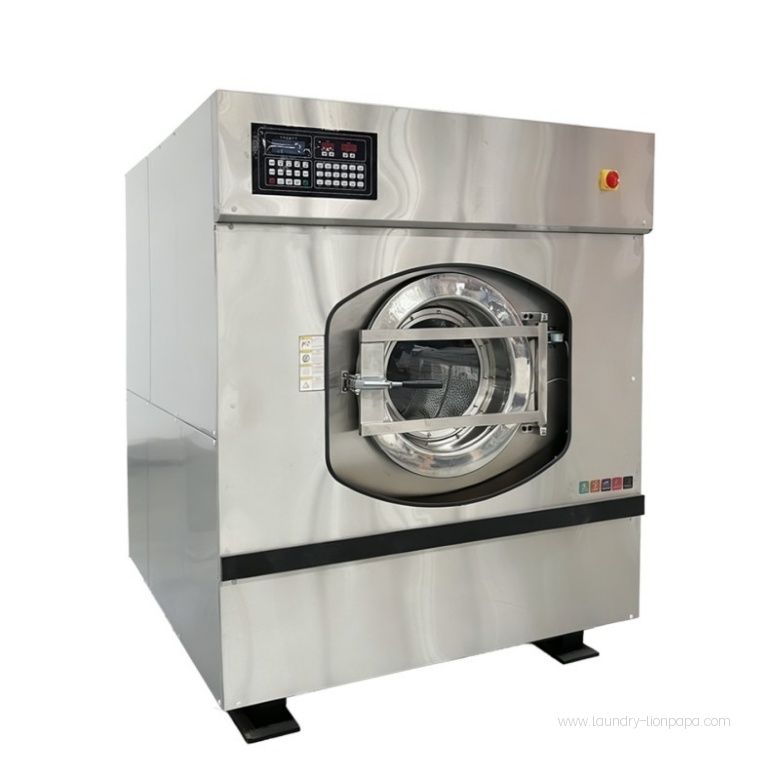
Machine durability is critical given high usage intensity. Commercial-grade equipment designed for high-traffic environments withstands student use. Durability reduces maintenance requirements and extends equipment life.
Multiple capacity options accommodate different student needs. Smaller machines suit individual students, while larger machines serve students washing bedding or sharing loads. A mix of capacities optimizes utilization.
Energy efficiency reduces operating costs and supports campus sustainability goals. Efficient equipment aligns with university environmental commitments. Utility rebates for efficient equipment improve financial returns.
Payment Systems
Student ID card integration simplifies payment for students. Many campuses use multi-purpose ID cards that can be loaded with funds for various services. Integration with campus card systems requires coordination with university administration.
Mobile payment options appeal to tech-savvy students. Apps that enable payment and machine monitoring provide convenience students appreciate. Integration with popular payment platforms reduces barriers to use.
Traditional coin systems remain viable for some campuses. Students accustomed to coin-operated machines may prefer familiar systems. Hybrid systems that accept both coins and electronic payment provide flexibility.
Facility Design
Laundry room location affects student convenience. Central locations in residence halls provide easy access. Multiple smaller laundry rooms distributed throughout campus reduce travel distances.
Study and social spaces near laundry rooms make wait times productive. Students appreciate the ability to study or socialize while doing laundry. Amenities such as WiFi, seating, and tables enhance laundry room utility.
Security considerations include preventing theft and inappropriate use. Card access systems restrict use to campus community members. Good lighting and visibility improve safety.
Operational Management
Regular maintenance schedules ensure equipment availability. High-usage environments require more frequent maintenance attention. Responsive repair service minimizes student frustration during equipment problems.
Student communication channels enable prompt problem reporting. Apps, online portals, or dedicated phone numbers provide reporting mechanisms. Quick response to reported problems maintains positive student experience.
Revenue management and reporting provide transparency to university administration. Detailed transaction records support financial accountability. Integration with university financial systems simplifies reporting.
Partnership Opportunities
University auxiliaries may operate laundry facilities directly or partner with laundry service providers. Partnership arrangements provide expertise and operational capability. Revenue-sharing models align interests of universities and laundry operators.
Contract terms should address university-specific requirements. Performance standards, maintenance response times, and customer service expectations require clear definition. University procurement processes may have specific requirements for vendor selection.
Sustainability commitments may influence equipment selection and operation. Universities with environmental goals may require efficient equipment and sustainable practices. Documentation of environmental benefits supports university sustainability reporting.
Financial Considerations
Revenue projections should account for academic calendar variations. Reduced occupancy during breaks affects revenue. Summer sessions and special programs may offset reduced occupancy during academic breaks.
Operating costs include utilities, maintenance, payment processing, and administration. University-provided utilities may reduce operator costs. Understanding utility cost allocation is important for financial planning.
Investment requirements depend on facility scope and equipment quality. High-traffic campus facilities justify investment in quality equipment. Financial analysis should project returns over equipment operational life.
Technology Integration
Machine monitoring systems enable remote management. Real-time visibility into equipment status improves operational efficiency. Data collection supports usage analysis and predictive maintenance.
Mobile apps enhance student experience. Features such as machine availability, cycle notifications, and payment integration provide convenience. Custom apps can incorporate university branding and integrate with campus systems.
Data analytics support operational decisions. Usage patterns inform capacity planning and maintenance scheduling. Revenue data enables financial optimization and reporting.