
+86 131 2258 8040
Phone / WhatsApp / WeChat
Multi-family housing developments present significant opportunities for laundry service providers. Apartment complexes with limited in-unit laundry facilities create steady demand for communal laundry solutions. Understanding the specific requirements of apartment laundry facilities enables operators to provide appropriate equipment and services for this market segment.
Market Characteristics
Apartment residents represent a distinct customer segment with specific needs and constraints. Limited living space often prevents in-unit washer-dryer installation, creating ongoing demand for communal facilities. Residents value convenience, reliability, and reasonable pricing for laundry services.
Property managers seek laundry solutions that enhance tenant satisfaction while generating revenue. Well-maintained laundry facilities serve as amenities that attract and retain tenants. Partnership opportunities exist between laundry operators and property managers for mutual benefit.
Demand patterns in apartment complexes follow predictable rhythms. Evening and weekend usage peaks align with resident work schedules. Smaller load sizes reflect single-person or couple households. Understanding these patterns enables appropriate equipment selection.
Equipment Considerations
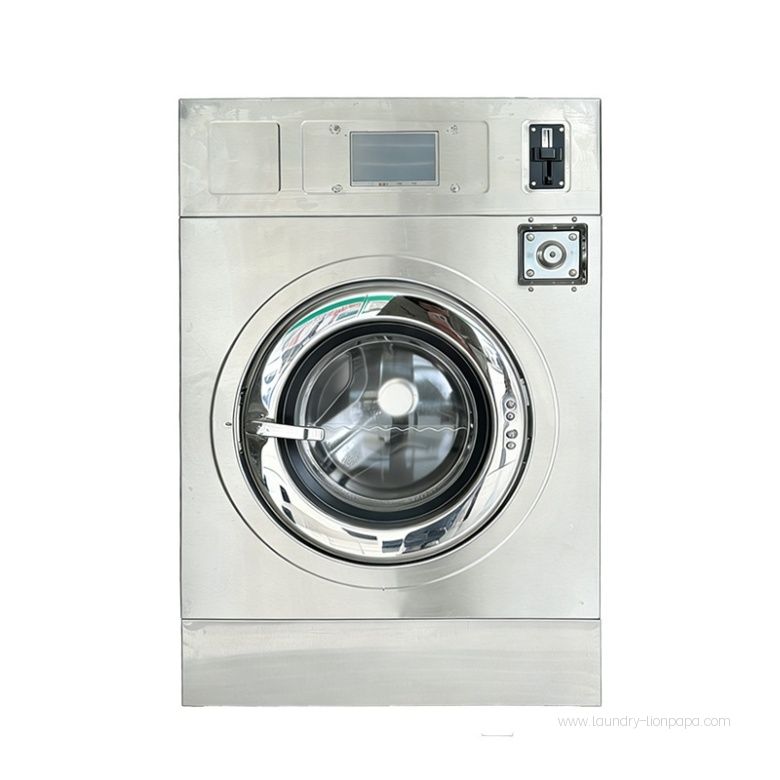
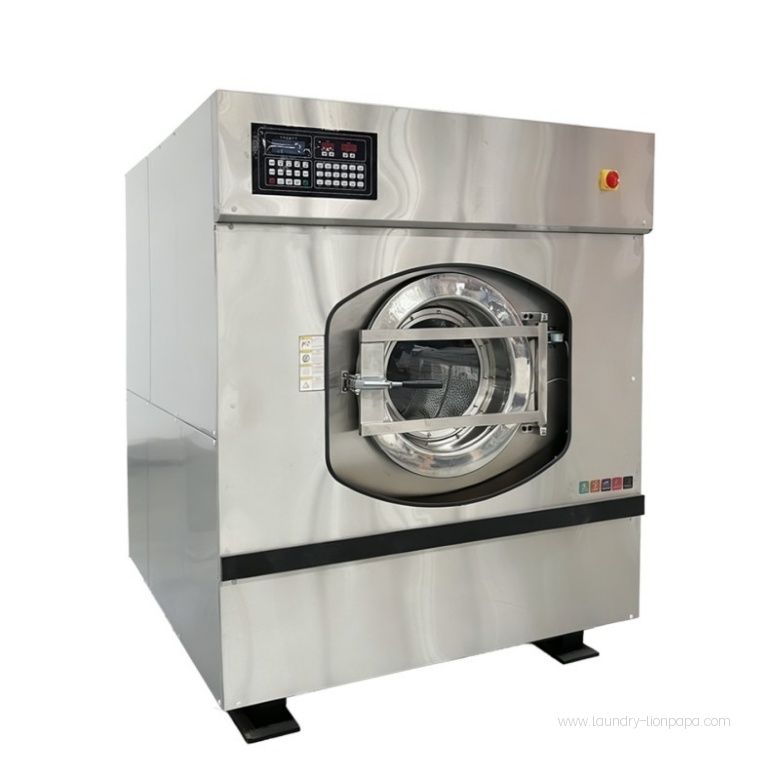
Machine capacity should match typical resident household size. Smaller capacity machines suit single residents and couples, while some larger machines accommodate families. A balanced mix of capacities serves diverse resident needs.
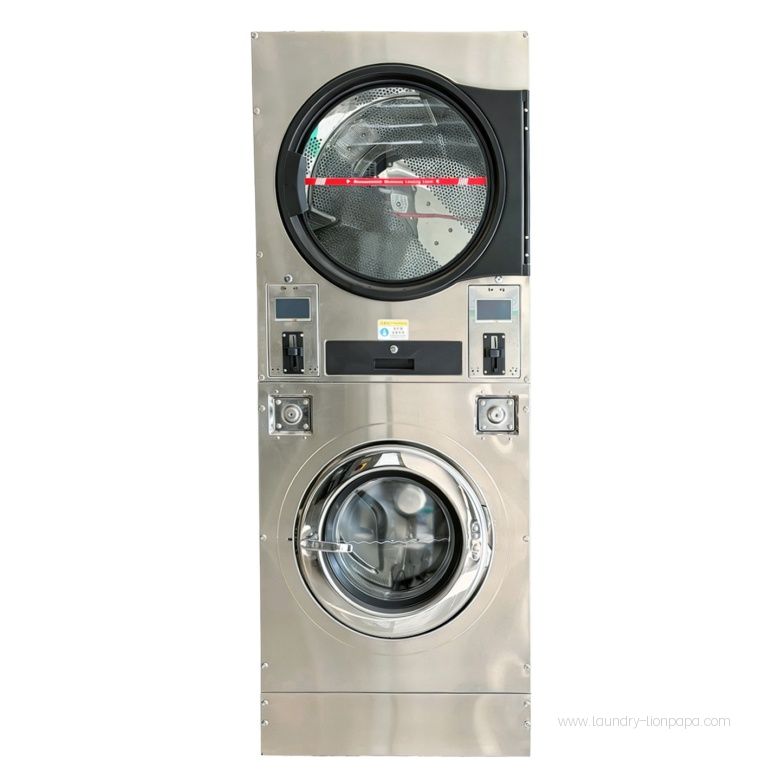
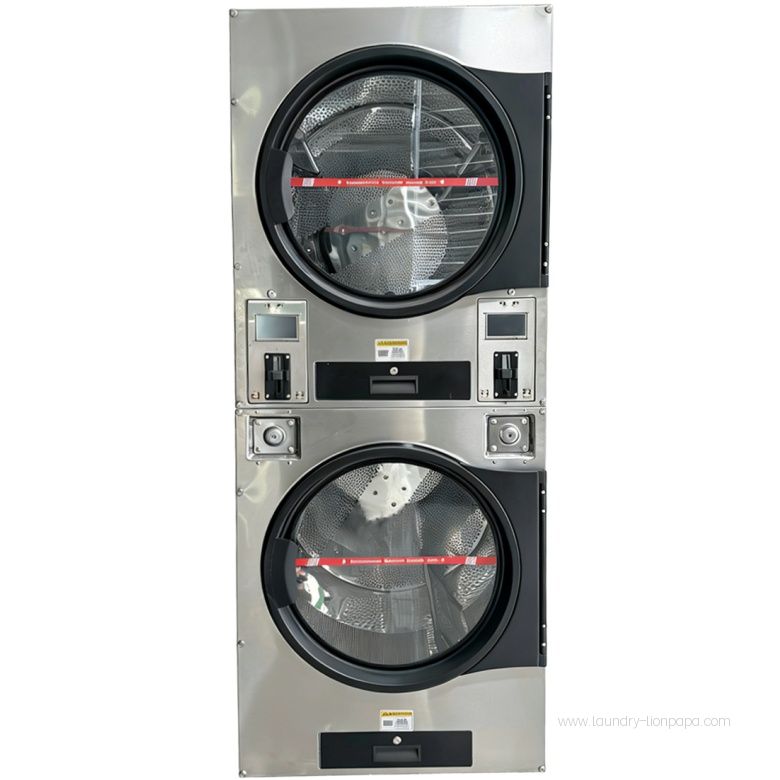
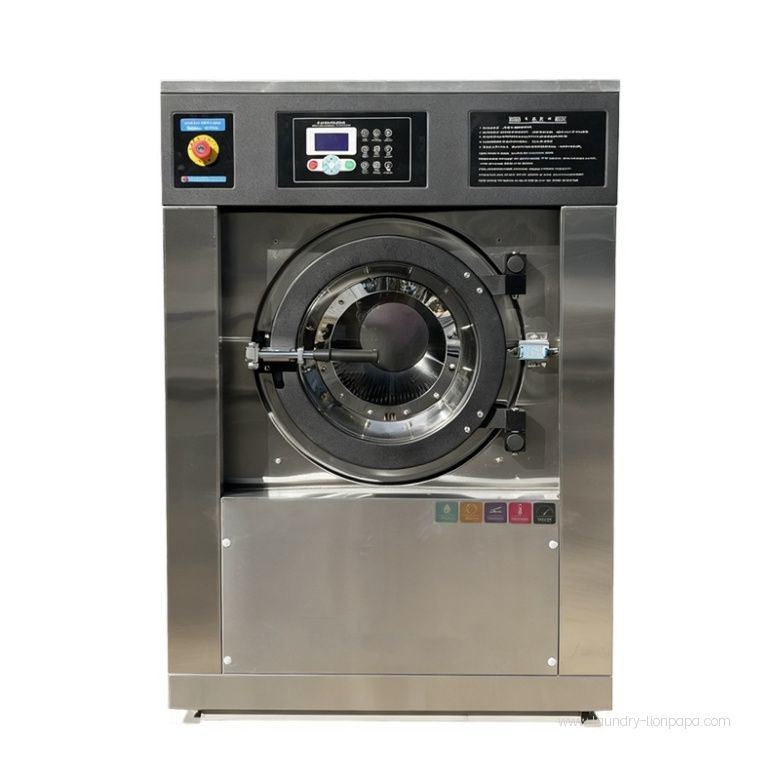
Stack washer-dryer combinations maximize capacity in limited space typical of apartment laundry rooms. These units provide wash-to-dry convenience in a compact footprint. Space efficiency enables more machines per room, reducing resident wait times.
Payment systems should accommodate resident preferences. Card readers may work well for residents accustomed to electronic payments. Traditional coin systems remain viable for some markets. Hybrid systems provide flexibility for diverse resident populations.
Operational Requirements
Regular maintenance schedules ensure reliable service for residents. Equipment downtime frustrates residents and generates complaints to property management. Responsive maintenance service maintains positive relationships with property managers and residents.
Revenue sharing arrangements with property owners require accurate accounting. Payment systems that track transactions precisely enable fair revenue distribution. Clear agreements on revenue splits, maintenance responsibilities, and equipment ownership prevent disputes.
Security considerations include preventing vandalism and unauthorized access. Card access systems restrict laundry room use to residents. Surveillance cameras deter misuse and provide evidence if problems occur.
Space Planning
Laundry room design affects resident experience and operational efficiency. Adequate space between machines enables comfortable use. Folding tables and seating improve the laundry experience. Good lighting and ventilation create pleasant environments.
Utility connections must support laundry equipment requirements. Adequate electrical capacity, water supply, and drainage enable equipment operation. Ventilation for dryers ensures efficient drying and comfortable room conditions.
Location within the apartment complex affects convenience and usage. Central locations provide easy access for most residents. Multiple smaller laundry rooms distributed throughout large complexes reduce travel distance for residents.
Service Differentiation
Wash-and-fold services may appeal to busy residents willing to pay for convenience. Drop-off and pickup services require additional staffing but generate premium revenue. Some operators offer subscription services for regular pickup and delivery.
Extended operating hours accommodate diverse resident schedules. Early morning and late evening availability serves residents with non-traditional work hours. Automated access systems enable extended hours without staffing requirements.
Customer service responsiveness builds resident satisfaction. Prompt attention to equipment problems and resident concerns maintains positive relationships. Property managers value laundry operators who respond quickly to issues.
Financial Analysis
Revenue potential depends on resident population and laundry habits. Market research on similar properties provides revenue projections. Equipment capacity should match projected demand to optimize utilization.
Operating costs include utilities, maintenance, payment processing, and management. Revenue sharing with property owners reduces operator revenue but eliminates some costs. Comprehensive financial analysis ensures viable business arrangements.
Investment return analysis should consider equipment life, revenue projections, and operating costs. Apartment laundry facilities typically generate steady, predictable revenue over long periods. Understanding financial dynamics enables informed investment decisions.
Partnership Development
Property owner relationships require cultivation and maintenance. Regular communication, prompt problem resolution, and fair dealings build trust. Property managers appreciate laundry operators who make their jobs easier.
Contract terms should clearly define responsibilities and revenue arrangements. Equipment ownership, maintenance obligations, and termination conditions require explicit agreement. Legal review of contracts protects both parties.
Multiple property relationships diversify revenue and reduce dependency on single locations. Successful operators often develop relationships with multiple property owners. Portfolio management enables operational efficiencies and risk reduction.