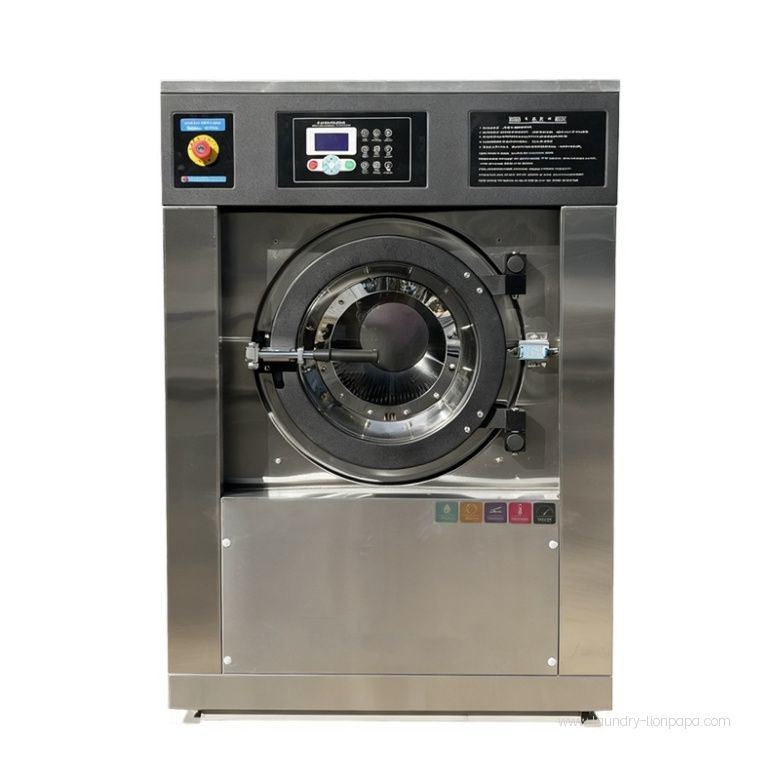
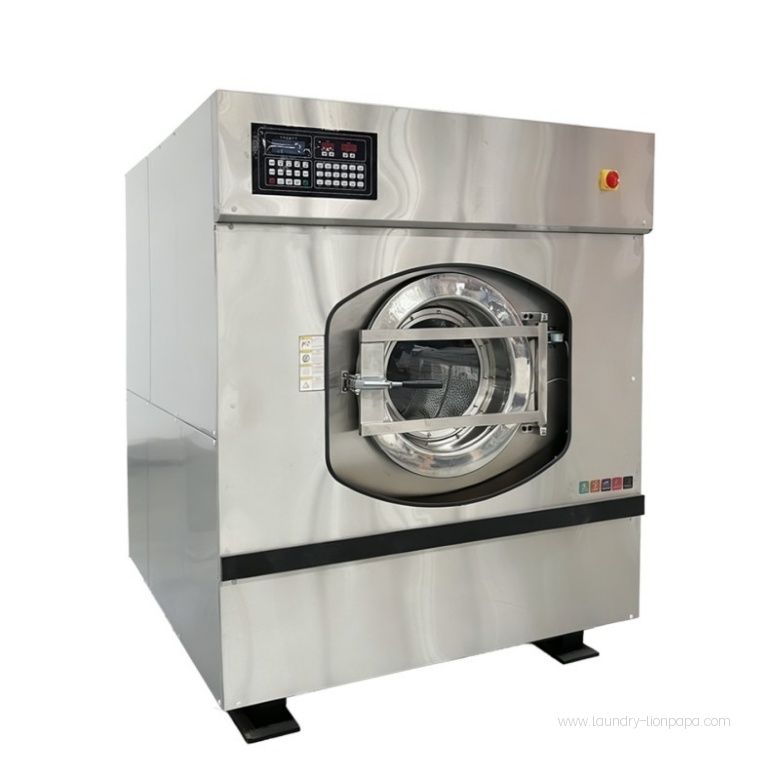
Selecting appropriate commercial laundry equipment requires careful analysis of business objectives, target market characteristics, and operational constraints. The right equipment choices establish foundations for profitable operations and sustainable business growth over the long term.
Assessing Your Market and Location
Market research provides essential insights for equipment selection decisions. Understanding local demographics, income levels, and housing characteristics helps predict customer demand patterns and preferences. Areas with high concentrations of apartment dwellers, students, or young professionals typically generate strong demand for self-service laundry facilities.
Competitive analysis reveals opportunities for differentiation and market positioning. uating existing laundromat facilities in your target area identifies underserved customer segments and potential service gaps. Equipment selection can address these opportunities through capacity variety, payment options, or specialized features.
Capacity and Configuration Planning
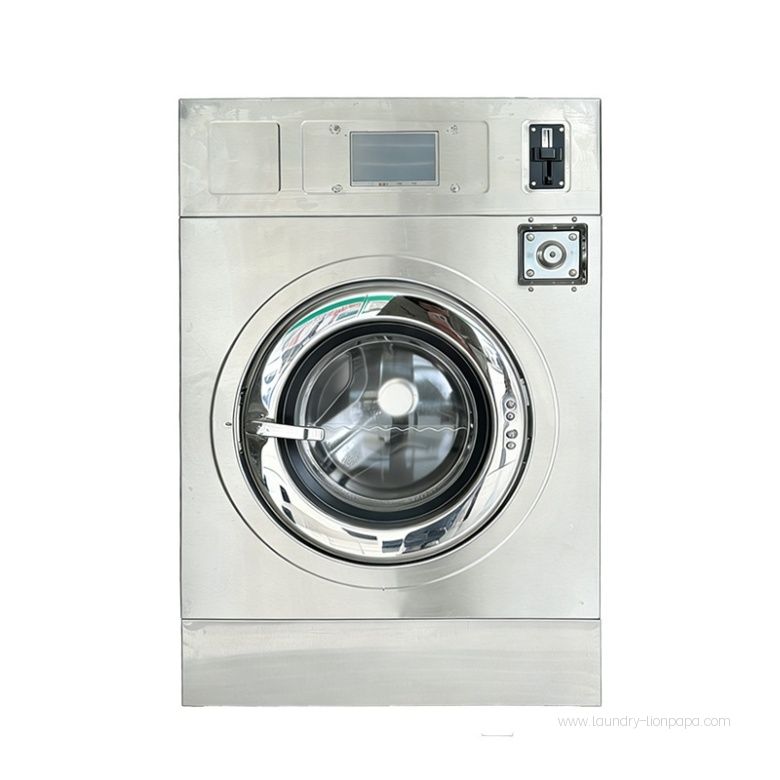
Equipment capacity should align with anticipated customer demand and facility size. A balanced mix of machine capacities accommodates diverse customer needs while optimizing space utilization. Typical configurations include a range from 12kg to 30kg capacity machines, with larger units for bulky items and commercial accounts.
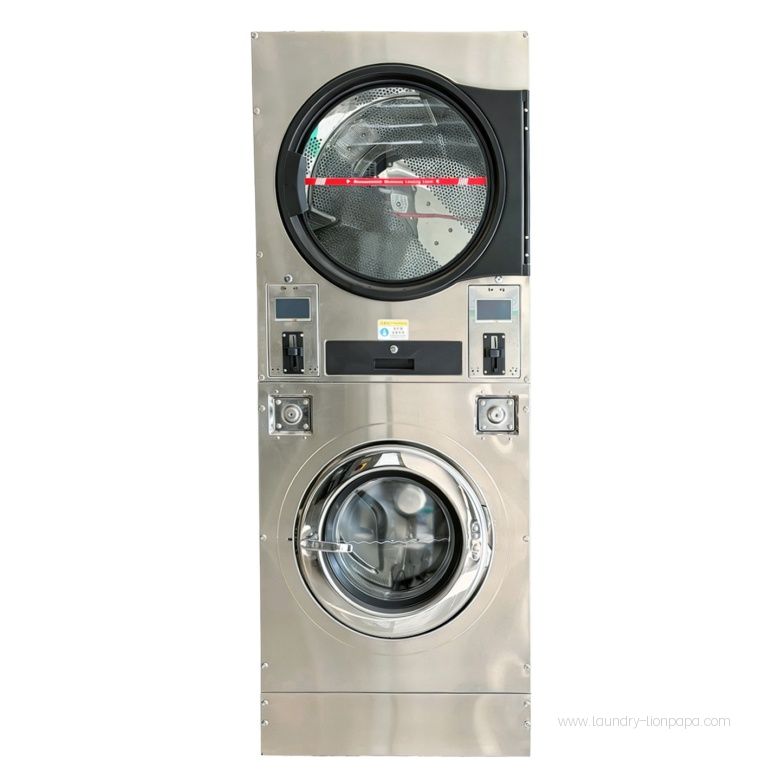
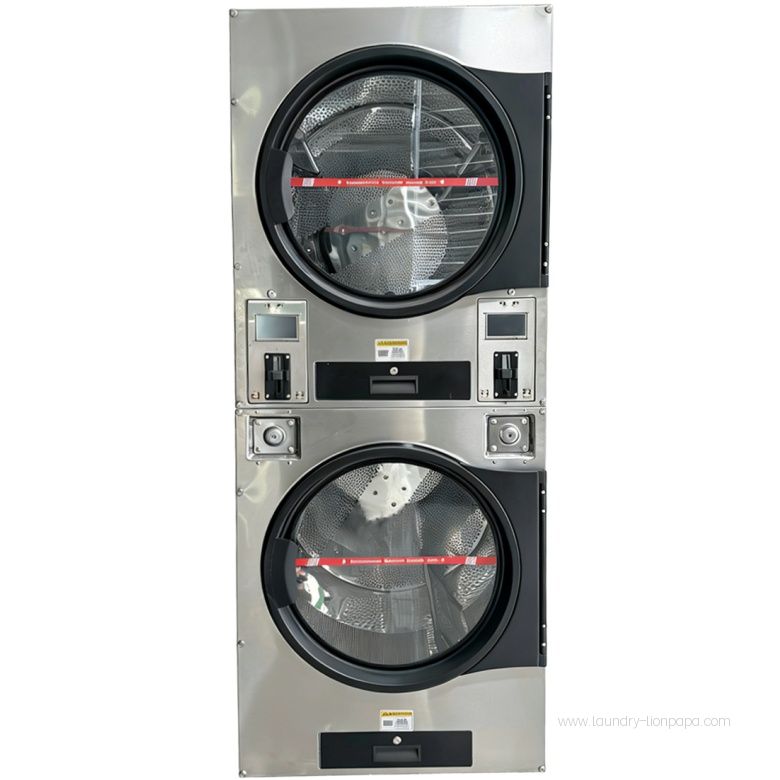
The ratio of washers to dryers affects operational efficiency and customer satisfaction. Industry standards suggest approximately 1.5 to 2 dryers per washer to prevent bottlenecks during peak periods. Stack washer-dryer units and double-tub dryers help achieve appropriate ratios within space constraints.
Payment System Options
Traditional coin-operated systems remain popular due to their simplicity and reliability. However, card-based and mobile payment options increasingly attract customers who prefer cashless transactions. Hybrid systems that accept multiple payment types provide flexibility for diverse customer preferences.
Payment system selection affects operational efficiency and security considerations. Coin systems require regular collection and secure storage, while electronic systems enable remote monitoring and automated revenue tracking. Consider local customer preferences and security concerns when selecting payment options.
Energy Efficiency and Operating Costs
Energy-efficient equipment reduces operating costs and environmental impact over the equipment lifetime. High-extraction washers reduce drying time and energy consumption. Energy Star certified equipment meets established efficiency standards and may qualify for utility rebates or incentives.
Water consumption represents a significant operational expense for laundromat facilities. Water-efficient machines with optimized wash cycles and recycling capabilities reduce utility costs and environmental impact. Some jurisdictions offer incentives for water-efficient equipment installation.
Supplier Selection and Support
Equipment suppliers should provide comprehensive support including installation, training, and ongoing maintenance services. Established manufacturers with local service presence offer advantages for prompt technical support and parts availability. Consider warranty coverage, service response times, and technical expertise when uating suppliers.
References from other laundromat operators provide valuable insights into equipment reliability and supplier support quality. Industry associations and trade publications offer additional resources for uating equipment options and supplier reputations.