High-volume laundromat operations require equipment configurations that maximize throughput and minimize customer wait times. Double-tub dryers address these requirements by providing simultaneous drying capacity in a single footprint, significantly improving operational efficiency during peak demand periods.
Understanding Double-Tub Dryer Configuration
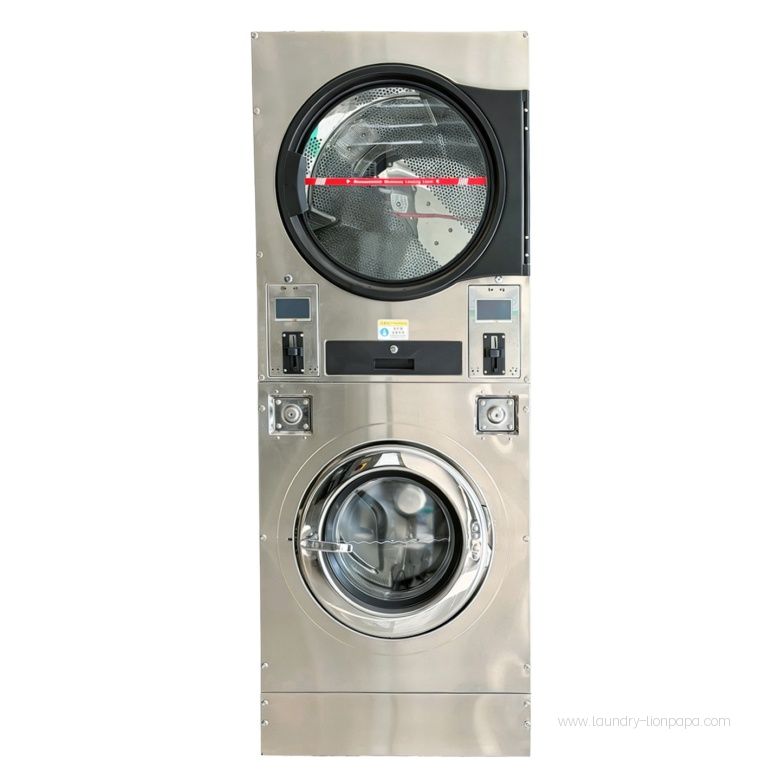
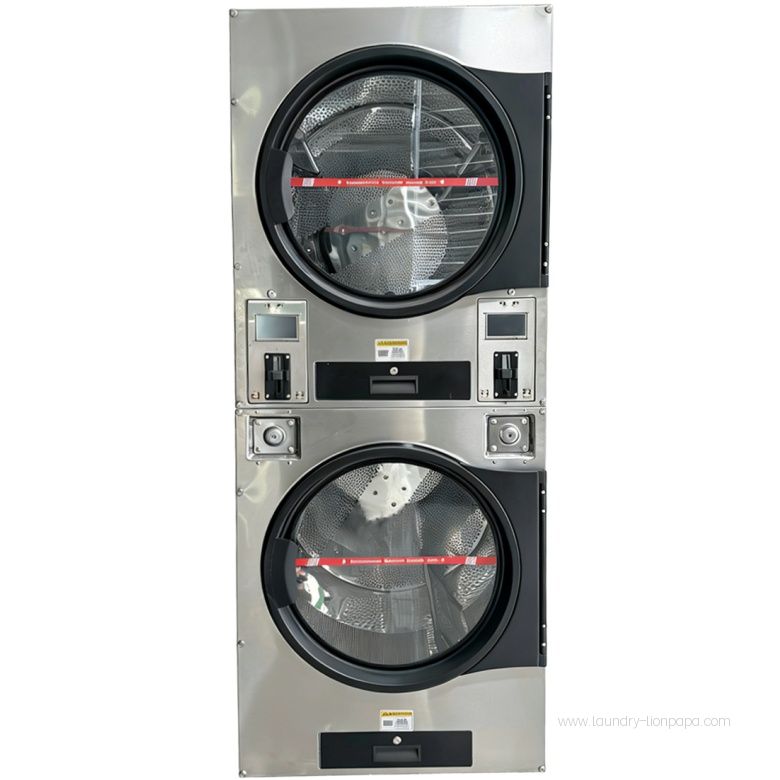
Double-tub dryers feature two independently operating drying compartments stacked vertically. Each compartment functions as a separate dryer with individual controls, coin mechanisms, and heating systems. This configuration doubles drying capacity without proportionally increasing floor space requirements.
Independent operation of each drying compartment provides flexibility for handling different load sizes and fabric types simultaneously. Customers can select appropriate drying times and temperatures for their specific needs without waiting for other users to complete their cycles. This flexibility improves customer satisfaction and facility throughput.
Operational Advantages
Peak demand periods typically create bottlenecks at drying stations, as drying cycles generally take longer than washing cycles. Double-tub configurations address this imbalance by providing additional drying capacity that reduces wait times and improves customer flow through the facility.
Energy efficiency of double-tub dryers benefits from shared components and optimized airflow systems. Combined venting and heating systems reduce installation complexity while maintaining individual compartment performance. Some models feature heat recovery systems that capture and reuse thermal energy, further improving efficiency.
Revenue Optimization
Higher drying capacity directly increases revenue potential during peak usage periods. Reduced customer wait times encourage repeat business and positive recommendations. Facilities with adequate drying capacity can serve more customers per hour, maximizing revenue generation from prime operating times.
Pricing strategies for double-tub dryers often reflect their premium capacity and convenience. Customers value reduced wait times and the ability to dry multiple loads simultaneously. Many operators implement time-based pricing that encourages efficient dryer use while maintaining profitability.
Installation Requirements
Electrical requirements for double-tub dryers must accommodate simultaneous operation of both compartments. Adequate circuit capacity and proper wiring prevent operational issues during peak usage. Gas-heated models require appropriate gas line sizing and ventilation systems for safe operation.
Ventilation systems for double-tub dryers must handle combined airflow from both compartments. Proper duct sizing and routing ensure efficient moisture removal and prevent lint accumulation. Regular vent cleaning and maintenance prevent fire hazards and maintain drying efficiency.
Maintenance Considerations
Shared components between drying compartments can affect maintenance scheduling and costs. While some parts are common to both compartments, others require individual attention. Establishing preventive maintenance schedules that address both shared and individual components ensures reliable operation.
Lint management requires particular attention in double-tub configurations. Combined lint accumulation from both compartments can overwhelm undersized collection systems. Regular cleaning of lint filters and ventilation systems maintains drying efficiency and prevents fire hazards.