Launching a self-service laundromat business requires comprehensive planning across multiple dimensions including location selection, equipment procurement, facility design, and operational procedures. Success depends on creating a customer-friendly environment with reliable equipment that generates consistent revenue.
Location Selection Criteria
Prime laundromat locations feature high visibility, convenient access, and proximity to target customer demographics. Areas with high concentrations of rental properties, apartments, and student housing typically generate strong demand. Adequate parking and street visibility attract customers and support marketing efforts.
Facility size requirements depend on planned equipment capacity and service offerings. A typical laundromat requires 1,500 to 3,000 square feet for equipment, customer areas, and support spaces. Consider future expansion possibilities when uating potential locations.
Essential Equipment List
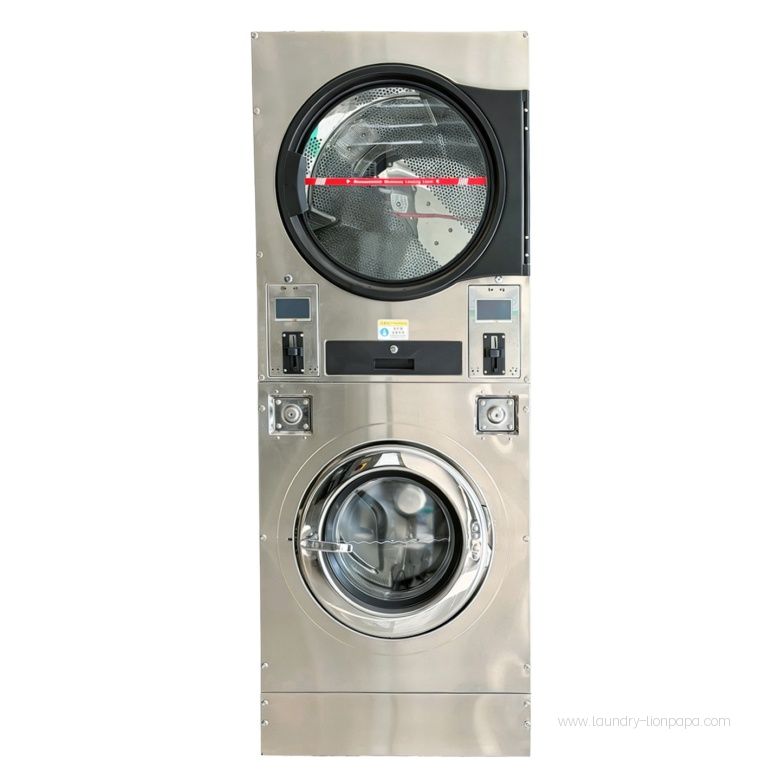
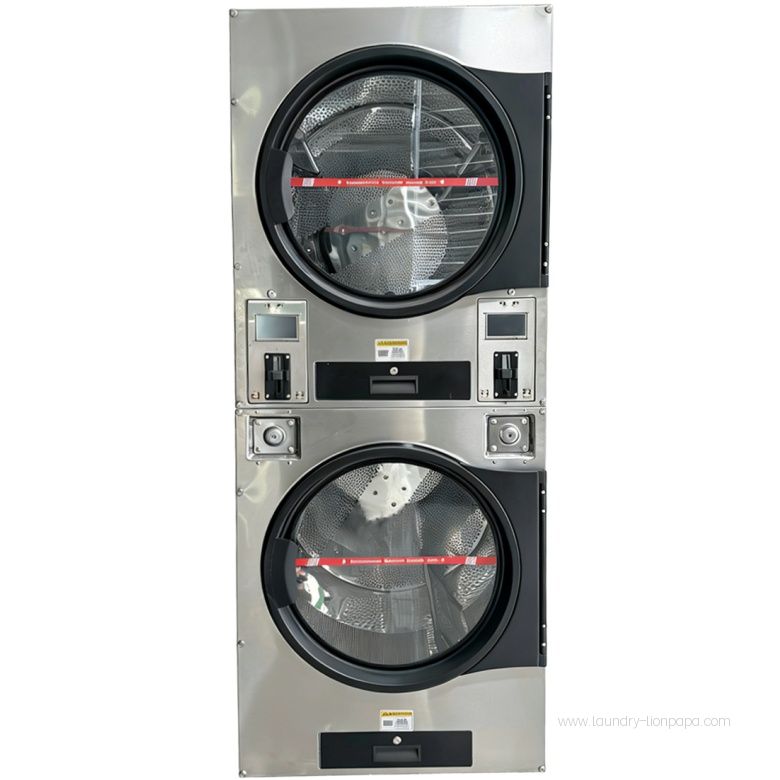
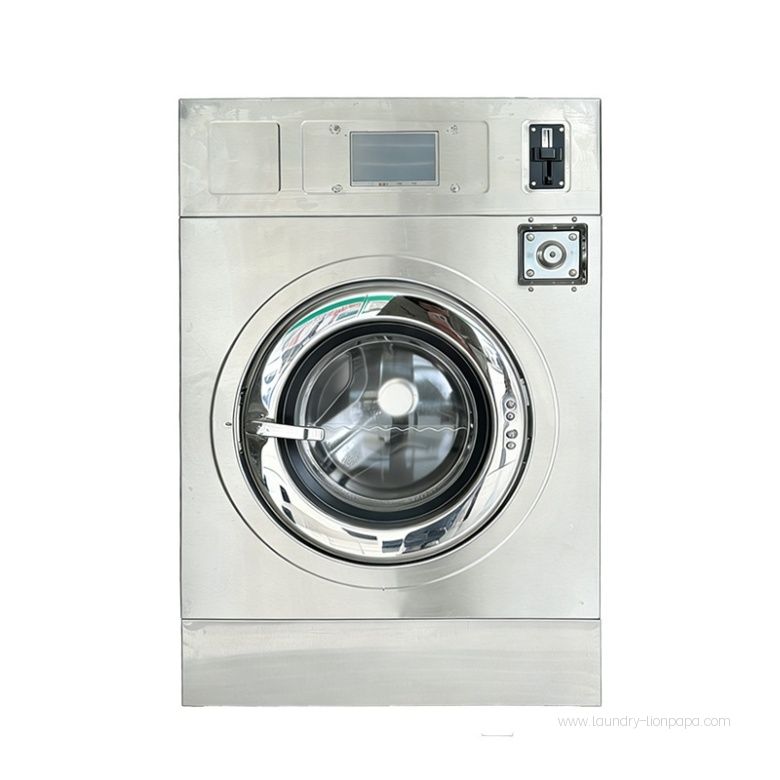
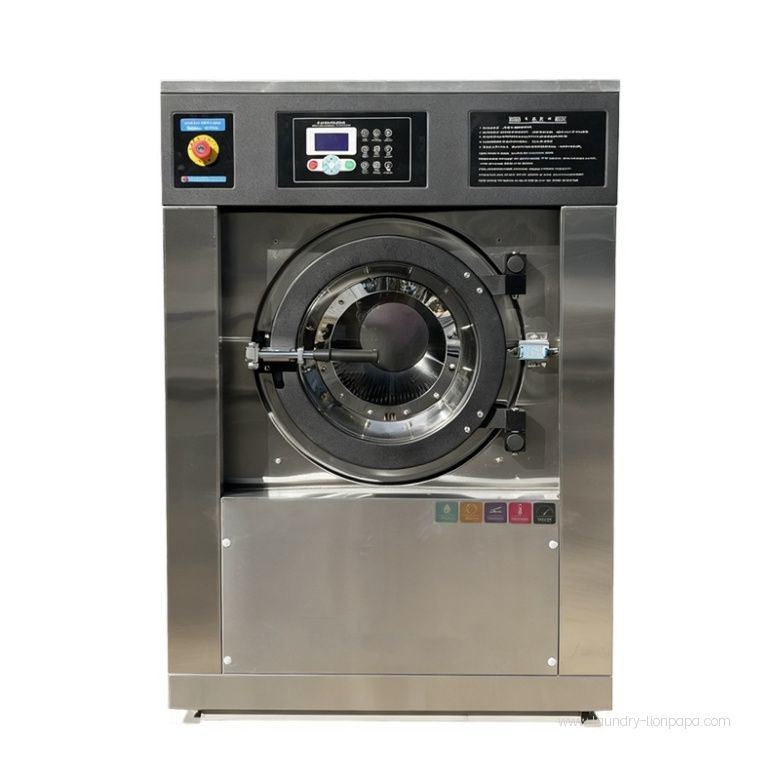
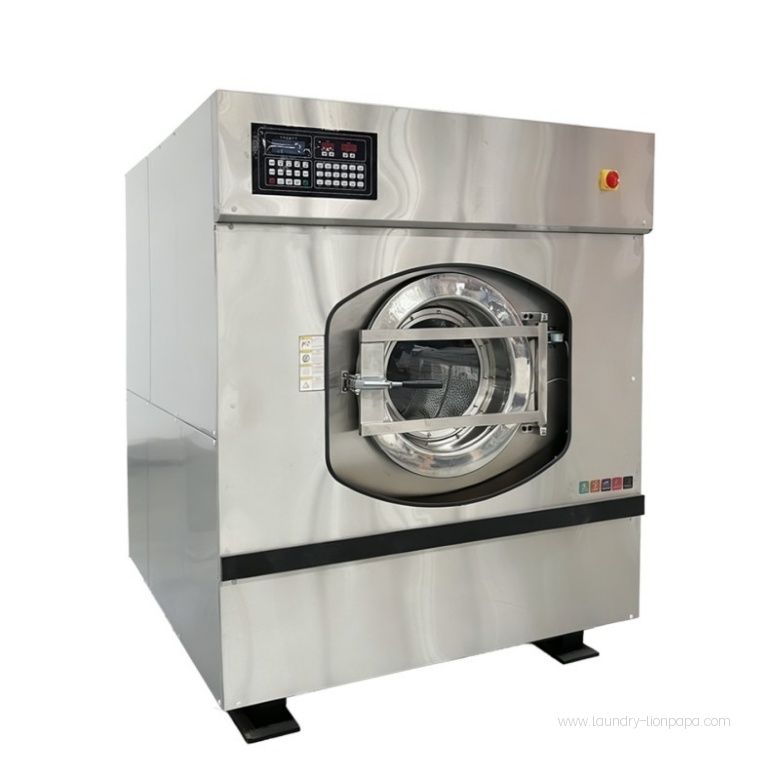
Core equipment for a self-service laundromat includes washing machines in various capacities, dryers, and payment systems. A typical startup facility might include 15-25 washing machines ranging from 12kg to 30kg capacity, paired with 20-35 dryers. Stack washer-dryer units maximize capacity in smaller spaces.
Support equipment includes change machines, detergent vending machines, and folding tables. Additional amenities such as seating, television, and WiFi improve customer experience and encourage longer visits. Climate control systems maintain comfortable temperatures year-round.
Facility Layout and Design
Efficient facility layout optimizes customer flow and equipment utilization. Group machines by type and capacity to create intuitive navigation patterns. Adequate aisle width accommodates laundry carts and customers with mobility limitations. Clear sight lines improve security and customer comfort.
Utility placement affects both installation costs and operational efficiency. Centralized utility connections reduce installation complexity and maintenance access. Consider future equipment additions when planning utility infrastructure to avoid costly modifications later.
Permitting and Compliance
Laundromat operations require various permits and compliance with local regulations. Building permits ensure facility modifications meet code requirements. Business licenses authorize commercial operations. Environmental permits may address water discharge and energy consumption.
Accessibility compliance ensures facilities accommodate customers with disabilities. Requirements include accessible parking, entrance ramps, and appropriate machine heights. ADA compliance in the United States and similar regulations in other jurisdictions protect against discrimination claims and expand customer base.
Financial Planning and Investment
Initial investment for a laundromat startup includes equipment purchase, facility buildout, and working capital. Equipment costs typically represent 40-60% of total startup investment. Additional expenses include utility deposits, insurance, marketing, and operating reserves for the first several months.
Revenue projections should account for seasonal variations and local market conditions. Industry benchmarks suggest typical laundromats generate $15,000 to $30,000 monthly gross revenue, though individual results vary significantly based on location and management quality. Conservative financial planning helps ensure adequate capitalization.