
+86 131 2258 8040
Phone / WhatsApp / WeChat
Extraction speed is a critical performance characteristic of commercial washing machines that significantly affects drying time, energy consumption, and overall laundry efficiency. Understanding extraction speed enables operators to select equipment that optimizes operational performance and customer satisfaction.
What Is Extraction Speed
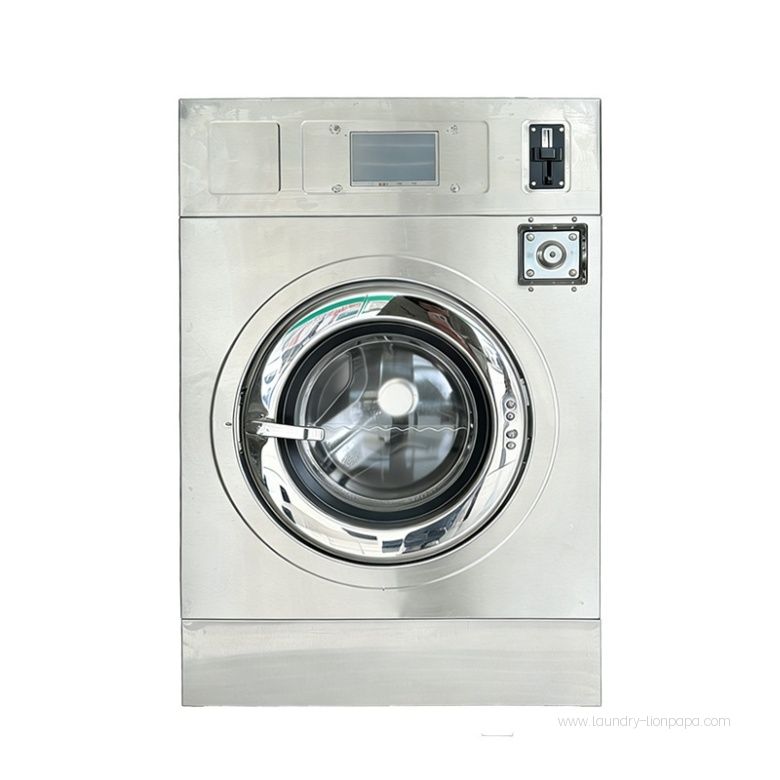
Extraction speed refers to the rotational speed of the washing machine drum during the final spin cycle. Higher speeds generate greater centrifugal force that removes more water from laundry. This water removal reduces the time and energy required for subsequent drying.
Extraction speed is typically measured in revolutions per minute (RPM). Commercial washing machines offer extraction speeds ranging from 500 RPM to over 1000 RPM. Higher speeds provide better water removal but may require more robust construction to manage increased mechanical stress.
G-force provides an alternative measurement of extraction performance. G-force measures the centrifugal force applied to laundry during extraction. Higher G-force values indicate greater water extraction capability. The relationship between RPM and G-force depends on drum diameter.
Impact on Drying Time
Higher extraction speeds remove more water during the wash cycle, significantly reducing dryer time. Machines with 800-1000 RPM extraction may reduce dryer time by 20-30% compared to machines with 500-600 RPM extraction. This time savings improves facility throughput and customer satisfaction.
Reduced dryer time also decreases energy consumption. Dryers are typically the largest energy consumers in laundromat facilities. Extraction improvements that reduce dryer operation generate substantial energy savings over time.
Customer experience improves with shorter total laundry time. Customers value facilities where they can complete laundry quickly. Equipment that reduces total cycle time attracts and retains customers.
Equipment Construction Requirements
Higher extraction speeds require more robust equipment construction. The forces generated during high-speed extraction stress machine components. Bearings, drums, and suspension systems must be designed to withstand these forces.
Heavy-duty bearings support the drum during high-speed rotation. Larger bearings with enhanced sealing provide durability under high-speed operation. Premium equipment typically features bearings rated for higher extraction speeds.
Suspension systems absorb vibration from high-speed extraction. Advanced suspension designs manage vibration without transferring it to the floor. This reduces noise and prevents structural damage to facilities.
Balanced loads are critical for high-speed extraction. Uneven loads create vibration and potential damage at high speeds. Equipment with automatic imbalance detection protects against damage from unbalanced loads.
Fabric Considerations
Different fabrics require different extraction speeds. Delicate fabrics may be damaged by high-speed extraction. Equipment with variable speed capability enables appropriate extraction for different fabric types.
Wrinkling increases with higher extraction speeds. The forces that remove water also create wrinkles in fabrics. Customers may accept some wrinkling in exchange for faster drying, but some prefer lower extraction to reduce ironing needs.
Fabric wear increases with extraction speed. Higher speeds create more mechanical stress on fibers. Equipment with programmable extraction enables optimization for fabric longevity versus drying efficiency.
Energy Efficiency Relationship
Extraction consumes energy during the wash cycle. Higher speeds require more motor power during the spin phase. This additional energy use is typically offset by reduced dryer energy consumption.
Overall energy efficiency depends on the balance between extraction energy and dryer energy savings. In most cases, higher extraction speeds improve overall energy efficiency. The exact relationship depends on equipment efficiency and utility costs.
Water removal effectiveness affects total energy consumption. Incomplete water removal extends dryer time and energy use. Effective extraction reduces total energy per load more than the additional extraction energy consumes.
Equipment Selection Considerations
Match extraction capability to customer needs. High-traffic facilities benefit from faster throughput enabled by high extraction. Facilities serving customers with delicate items may need variable speed options.
Consider energy costs when uating extraction speed. Higher extraction improves overall energy efficiency in most cases. Energy cost savings may justify investment in equipment with higher extraction capability.
uate equipment durability at higher extraction speeds. Equipment designed for high-speed extraction typically features more robust construction. Premium equipment may provide better long-term value through durability and performance.
Operational Impacts
Customer education on extraction benefits improves satisfaction. Customers may not understand why some machines have different cycle times. Explanation of extraction speed and drying time relationship sets appropriate expectations.
Cycle time variation affects customer planning. Machines with higher extraction may have longer spin phases but shorter overall laundry time due to reduced drying. Clear communication of total cycle time helps customers plan.
Maintenance requirements may differ with extraction speed. Higher speeds create more wear on certain components. Understanding maintenance implications enables appropriate service planning.