
+86 131 2258 8040
Phone / WhatsApp / WeChat
Effective capacity planning ensures that equipment inventory matches customer demand, maximizing revenue while minimizing customer wait times and operational inefficiency. Understanding capacity planning principles enables operators to optimize equipment selection and facility layout for maximum profitability.
Understanding Customer Demand Patterns
Customer demand varies by time of day, day of week, and season. Peak periods typically occur on weekends and weekday evenings when working customers have time for laundry. Understanding these patterns enables appropriate capacity planning for peak demand while avoiding excessive equipment that sits idle during slow periods.
Demographic characteristics influence demand patterns. Student populations create demand aligned with academic schedules. Residential areas with many apartments generate consistent laundromat demand. Tourist areas may experience seasonal demand variations.
Local competition affects available market share. uate existing laundromat capacity in your market area to understand competitive dynamics. Underserved markets present opportunities while saturated markets require differentiation strategies.
Future demand projections inform capacity planning for new facilities. Population growth, housing development, and economic trends affect future demand. Capacity planning should anticipate demand changes over equipment operational life.
Equipment Mix Optimization
Capacity variety accommodates diverse customer needs. Mix of machine sizes from small to large capacity enables serving individual customers, families, and commercial accounts. Balance equipment mix based on target customer segments.
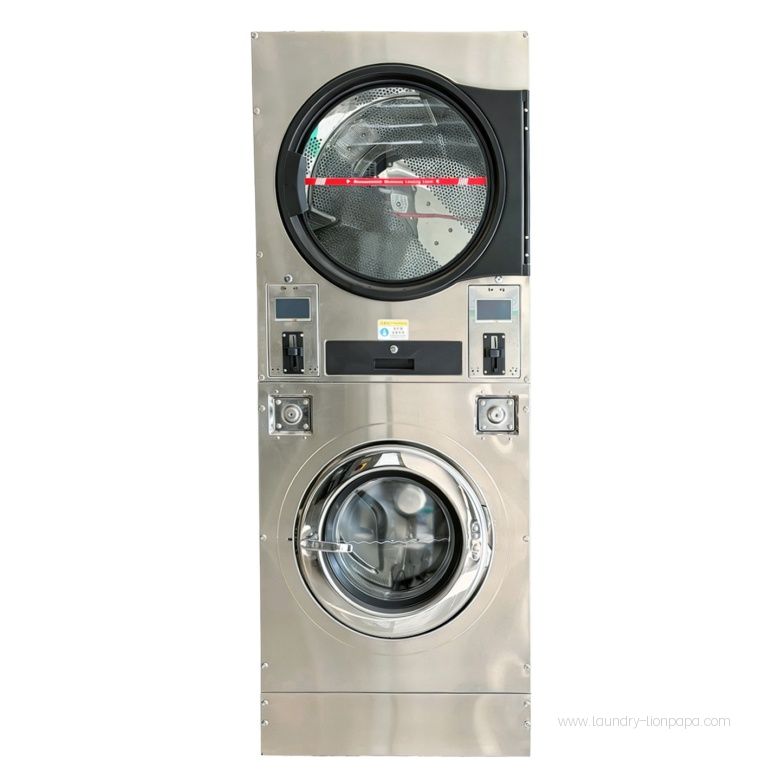
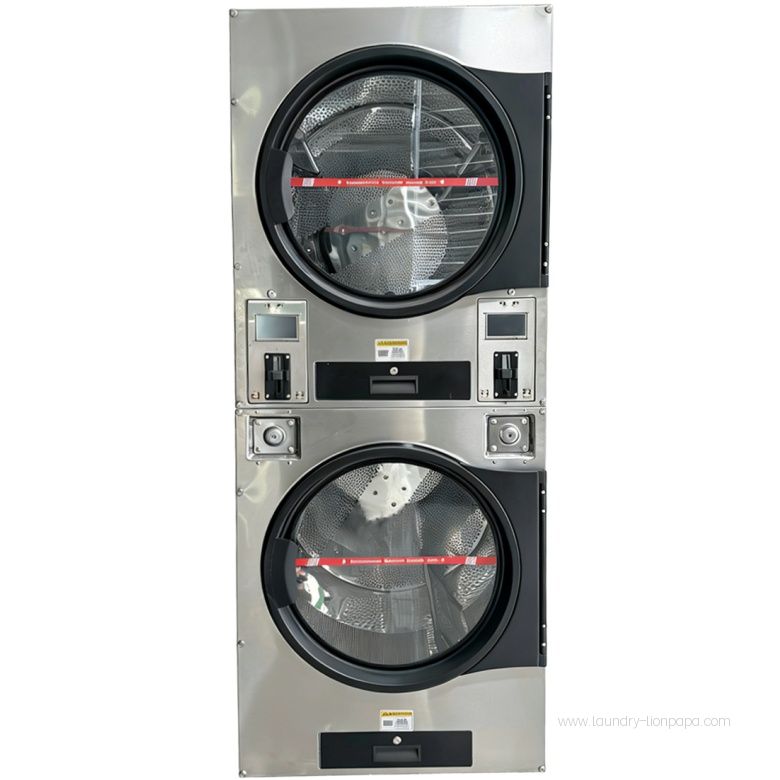
Washer to dryer ratio affects operational efficiency. Drying takes longer than washing, typically requiring more dryer capacity than washer capacity. Industry standards suggest 1.5 to 2 dryer positions per washer position. Stack washer-dryer combinations and double-tub dryers help achieve appropriate ratios.
Specialty equipment serves specific customer segments. Large-capacity machines for bulky items attract customers with comforters, sleeping bags, and other oversized items. These machines command premium pricing and differentiate from competitors with only standard equipment.
Backup capacity prevents complete service disruption during maintenance or peak demand. Some redundancy ensures continued operation even when individual machines require service. Excessive redundancy increases costs without proportional benefit.
Throughput Analysis
Machine cycle times determine maximum throughput per machine. Longer cycles reduce throughput while shorter cycles increase customer turnover. Equipment selection should consider cycle time in context of operational efficiency.
Revenue per cycle varies by machine type and capacity. Larger machines generate more revenue per cycle but may have longer cycle times. Analyze revenue per hour rather than per cycle for accurate comparison.
Customer turnover rate affects facility capacity. Longer customer visits reduce throughput while shorter visits enable more customers per hour. Facility amenities and services affect how long customers stay.
Queue management during peak periods affects customer experience. Understanding how many customers can be served before wait times become problematic enables appropriate capacity planning. Queue analysis tools and simulation models support capacity decisions.
Space Utilization
Equipment footprint affects how many machines fit in available space. Stack configurations and double-tub designs maximize capacity per square foot. uate space utilization efficiency when comparing equipment options.
Customer circulation space affects facility comfort and safety. Crowded facilities with inadequate space between machines create poor customer experiences. Building codes specify minimum requirements, but comfortable facilities exceed minimums.
Waiting areas and amenities require space allocation. Customers waiting for machines need comfortable seating. Vending machines, change machines, and restrooms occupy space but improve customer experience.
Future expansion considerations influence initial layout. Facilities designed with expansion capability can grow as demand increases. Flexible layouts enable equipment reconfiguration as operational needs evolve.
Revenue Optimization
Capacity utilization directly affects revenue generation. Overcapacity results in idle equipment and wasted investment. Undercapacity results in lost revenue from customers who leave due to wait times.
Peak period revenue concentration makes capacity during these times particularly valuable. Most laundromats generate majority of revenue during relatively few peak hours. Ensuring adequate capacity for peak periods maximizes revenue potential.
Pricing strategies interact with capacity decisions. Premium pricing during peak periods can moderate demand and improve revenue per machine. Variable pricing encourages off-peak usage and improves overall utilization.
Service differentiation can shift demand. Attended service, wash-and-fold services, and delivery options attract customers willing to pay for convenience. These services may require different capacity considerations than self-service laundry.
Capacity Expansion Planning
Phased expansion enables matching capacity to demand as business grows. Initial installations can be sized for current demand with plans for future equipment additions. This approach conserves capital while maintaining growth capability.
Equipment location and utility infrastructure should anticipate future expansion. Installing extra utility capacity during initial construction simplifies future equipment additions. Planning equipment layout with expansion zones enables growth without disrupting existing operations.
Market monitoring identifies expansion opportunities. Tracking utilization rates, wait times, and customer feedback indicates when additional capacity is needed. Regular analysis enables proactive rather than reactive expansion decisions.
Technology evolution affects long-term capacity planning. New equipment technologies may offer superior efficiency or capacity in the future. Modular expansion approaches enable adoption of new technologies as they become available.
Seasonal and Event-Driven Capacity
Seasonal demand variations may require different capacity approaches. Tourist areas experience dramatic seasonal swings that challenge capacity planning. Strategies such as seasonal equipment rental or variable operating hours address seasonal variations.
Special events create temporary demand spikes. Local events, festivals, or emergencies can dramatically increase laundromat demand. Understanding potential demand variations enables preparation for unusual circumstances.
Weather patterns affect laundry demand. Extended rainy periods may reduce demand while hot, dry weather increases it. Understanding weather-demand relationships supports operational planning.
Holiday periods typically generate high demand. Extended holiday weekends create peak usage periods that stress facility capacity. Special operational procedures may be necessary during predictable high-demand periods.
Financial Considerations
Equipment investment returns depend on utilization. Higher utilization improves return on investment while idle equipment reduces returns. Capacity planning should consider realistic utilization expectations.
Operating costs scale with capacity. More equipment requires more maintenance, utilities, and space. Total cost of ownership analysis should include all capacity-related costs.
Cash flow implications of capacity decisions require consideration. Larger initial investments strain cash flow but may generate better long-term returns. Balancing investment timing with revenue generation optimizes financial performance.
Risk management involves capacity decisions. Overcapacity creates financial risk while undercapacity creates competitive risk. Understanding trade-offs enables informed decisions aligned with risk tolerance.