
+86 131 2258 8040
Phone / WhatsApp / WeChat
Proper installation of commercial laundry equipment ensures safe, efficient operation and protects the significant investment that equipment represents. Installation requirements vary based on equipment types, facility characteristics, and local regulations. Understanding these requirements enables operators to plan installations effectively and avoid costly mistakes.
Electrical Infrastructure Requirements
Commercial washing machines typically require 220-240V electrical service, though some models operate on 120V for smaller capacities. Dryers generally require higher voltage service, often 220-240V for electric models. Gas dryers may require 120V for motor and control operation while using gas for heating.
Circuit capacity must accommodate equipment operating current plus adequate margin for startup surges. Dedicated circuits for each major piece of equipment prevent interference and ensure reliable operation. Circuit breaker sizing should match equipment requirements while providing appropriate protection.
Electrical panel capacity must support total facility load including all laundry equipment plus lighting, climate control, and other systems. Upgrading electrical service may be necessary for facilities with limited existing capacity. Professional electrical uation during facility planning identifies capacity requirements and upgrade needs.
Ground fault protection is required for equipment in wet environments. Ground fault circuit interrupters protect users from electrical shock hazards. Local electrical codes specify protection requirements and installation standards.
Plumbing Infrastructure
Water supply connections must provide adequate pressure and flow for equipment operation. Commercial washing machines require higher flow rates than residential units to fill quickly and maintain wash cycle timing. Multiple machines operating simultaneously can overwhelm undersized water supplies.
Water quality affects equipment operation and longevity. Hard water deposits can accumulate in valves, pumps, and heating elements. Water treatment systems protect equipment and improve performance in areas with problematic water quality.
Drainage systems must handle peak water discharge volumes. Multiple machines draining simultaneously can overwhelm undersized drain lines. Drain line sizing should account for all equipment that may discharge simultaneously. Backflow prevention devices protect municipal water supplies.
Hot water systems must provide adequate capacity for heated wash cycles. Tankless or point-of-use water heaters ensure adequate hot water availability during peak periods. Water heater capacity and recovery rate must match equipment demand patterns.
Ventilation Requirements
Dryer ventilation is critical for safe, efficient operation. Dryers produce large volumes of moisture-laden air that must be exhausted outside the building. Ventilation duct sizing must accommodate total airflow from all dryers operating simultaneously.
Duct routing affects ventilation efficiency. Short, straight duct runs with minimal bends provide efficient airflow. Flexible duct material can create restrictions that reduce efficiency and accumulate lint. Rigid metal ductwork provides better performance and easier maintenance.
Makeup air must replace exhausted air to maintain building pressure and provide combustion air for gas appliances. Adequate openings or mechanical ventilation ensure sufficient makeup air. Negative building pressure can cause backdrafting of combustion appliances and infiltration of outdoor air.
Lint management protects against fire hazards. Lint filters in dryers capture most lint, but some escapes into ventilation systems. Regular cleaning of ducts and exhaust fans prevents accumulation that can ignite. Access panels in ductwork facilitate cleaning and inspection.
Gas Service Requirements
Gas dryers require adequate gas supply pressure and flow rate. Gas line sizing must account for all gas appliances operating simultaneously. Undersized gas lines cause poor dryer performance and potential safety issues.
Gas piping materials and installation must comply with local codes. Steel or copper piping is typical, with proper fittings and support. Flexible connectors provide final connection to equipment while accommodating vibration and minor movement.
Gas shut-off valves must be accessible for emergency shutoff. Individual valves for each appliance enable isolation for maintenance while other equipment continues operating. Gas leak detection systems provide additional safety monitoring.
Combustion air supply is essential for proper gas appliance operation. Enclosed spaces require adequate openings for combustion air. Make-up air systems may be necessary in tightly sealed buildings.
Structural Considerations
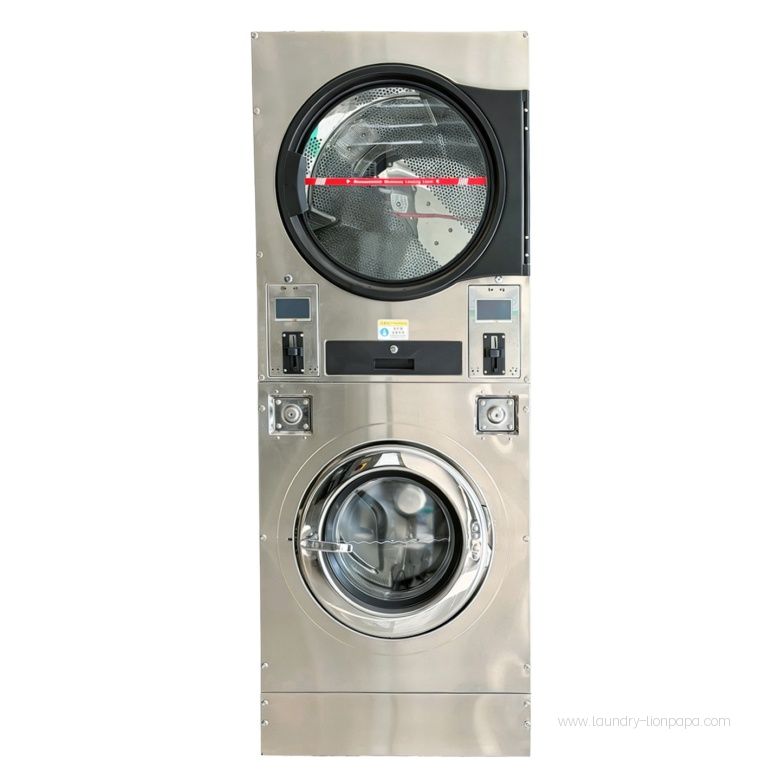
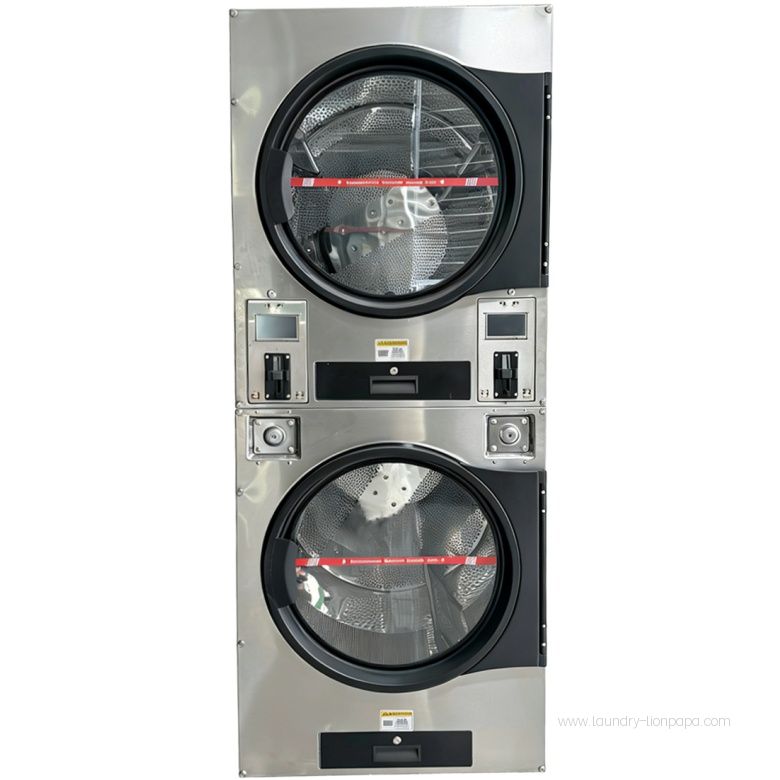
Floor load capacity must support equipment weight, particularly for stacked configurations. Commercial washing machines can weigh 200-400 pounds when fully loaded with water. Double-tub dryers and stack washer-dryer units concentrate weight in smaller floor areas.
Floor slope and levelness affect equipment operation. Washers and dryers perform optimally when level. Floor unevenness can cause vibration, noise, and premature wear. Floor leveling or equipment shimming may be necessary.
Vibration isolation reduces noise and structural stress from equipment operation. Anti-vibration pads or mounts under equipment absorb vibrations that can travel through building structures. This consideration is particularly important for equipment installed on upper floors or near occupied spaces.
Code Compliance and Permits
Installation permits are typically required for commercial laundry equipment. Electrical, plumbing, and mechanical permits ensure compliance with building codes. Permit costs and inspection requirements vary by jurisdiction.
Code requirements specify minimum standards for electrical, plumbing, and ventilation systems. Local amendments may impose additional requirements. Professional contractors familiar with local codes ensure compliance and avoid costly corrections.
Inspection requirements vary by project scope and local regulations. Multiple inspections may be required for electrical, plumbing, and mechanical work. Coordination with inspectors and timely corrections keep projects on schedule.
Professional Installation vs. Self-Installation
Professional installation ensures proper equipment setup and code compliance. Qualified contractors have experience with commercial laundry equipment requirements and local codes. Professional installation also typically includes warranty coverage for installation work.
Self-installation may reduce costs but requires technical knowledge and careful attention to code requirements. Mistakes in installation can cause equipment damage, safety hazards, and code violations. Self-installers should thoroughly research requirements and obtain necessary permits.
Equipment manufacturers often require professional installation to validate warranties. Review warranty terms before deciding on installation approach. Installation by unqualified persons may void warranty coverage, shifting financial risk to the operator.