
+86 131 2258 8040
Phone / WhatsApp / WeChat
Payment technology has evolved dramatically in recent years, offering laundromat operators multiple options for collecting revenue. Traditional coin-operated systems remain viable, but electronic payment alternatives increasingly attract customers and improve operational efficiency. Understanding payment system options enables operators to select solutions aligned with customer preferences and operational requirements.
Traditional Coin-Operated Systems
Coin mechanisms have served laundromats for decades, providing simple and reliable payment collection. Mechanical coin slides offer proven durability with minimal maintenance requirements. Customers appreciate the simplicity of coin payment, and operators benefit from immediate revenue collection without transaction fees.
Coin systems require regular collection and secure storage. Transporting coins to banks or counting machines involves labor and potential security risks. Some operators contract with armored car services for coin collection, adding to operational costs.
Coin availability can be problematic for customers who arrive without sufficient change. Change machines address this issue but require monitoring and restocking. Vending machine locations near laundromats often provide convenient coin sources for customers.
Card-Based Payment Systems
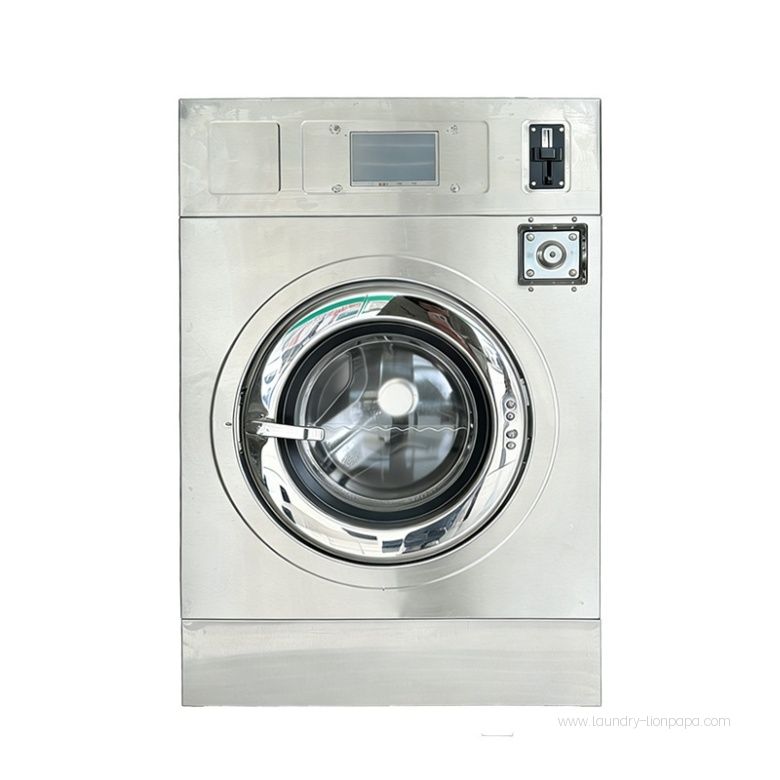
Card readers enable customers to pay with credit or debit cards, eliminating the need for coins. This convenience attracts customers who prefer cashless transactions and may not carry cash. Card payment systems also enable premium pricing that captures value from the convenience provided.
Transaction fees for card payments typically range from 2-5% of transaction value. Operators must factor these fees into pricing decisions. Some operators implement surcharges or minimum transaction amounts to offset fee costs.
Card systems provide detailed transaction records that simplify accounting and revenue tracking. Remote monitoring capabilities enable operators to track revenue without physical visits. This visibility supports operational decisions and identifies anomalies that might indicate problems.
Mobile Payment Integration
Mobile payment platforms such as Apple Pay, Google Pay, and various regional services enable customers to pay with smartphones. This technology appeals to younger customers and those who prefer not to carry physical cards. Integration with existing card reader systems typically requires minimal additional equipment.
QR code payments have become popular in some markets, enabling customers to scan codes on machines to initiate payment. This approach works well with smartphone-native customers and can be implemented relatively inexpensively. QR code systems may require customers to download specific apps in some implementations.
Mobile payment systems often include features for loyalty programs, promotions, and customer communication. These capabilities support marketing and customer relationship management beyond simple payment processing.
Hybrid Payment Systems
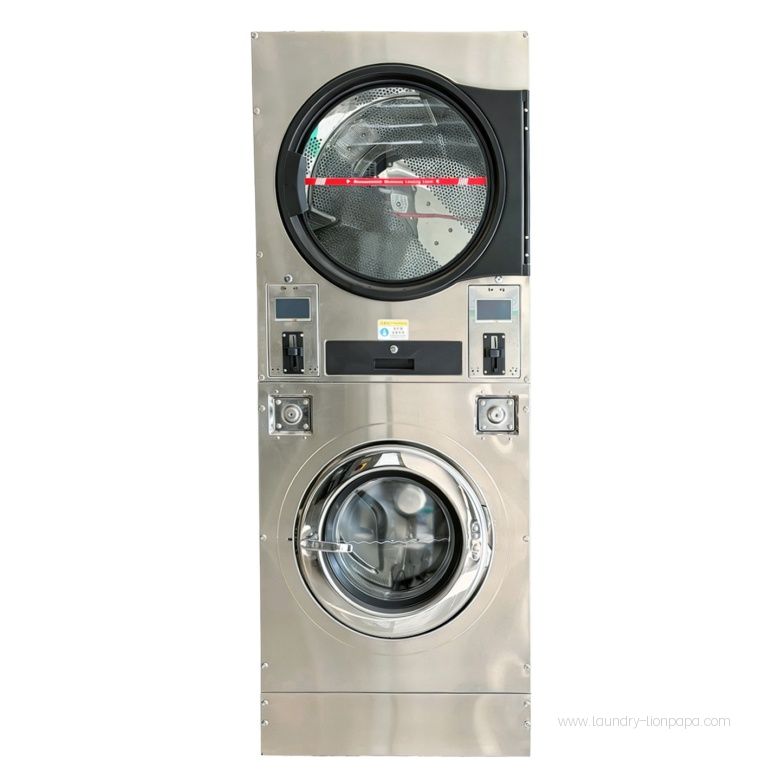
Many successful laundromats implement hybrid systems that accept both coins and electronic payments. This approach serves diverse customer preferences while capturing revenue from customers who arrive without coins. Hybrid systems future-proof operations as payment preferences continue to evolve.
Hybrid systems require more complex maintenance as multiple payment mechanisms need attention. However, the revenue benefits typically justify the additional complexity. Some operators report significant revenue increases after implementing hybrid payment options.
Pricing strategies for hybrid systems often differentiate between payment types. Premium pricing for card payments reflects convenience value while coin pricing maintains affordability. Time-based pricing through card systems can offer better value for customers with variable laundry needs.
Payment System Security Considerations
Cash handling in laundromats creates security risks. Physical security measures such as surveillance cameras, secure cash boxes, and regular collection reduce theft risks. Employee training on cash handling procedures minimizes internal theft opportunities.
Electronic payment systems face cybersecurity threats. Point-of-sale terminals must meet payment card industry security standards. Regular software updates protect against emerging vulnerabilities. Operator compliance with security requirements protects both business and customer data.
Data privacy regulations govern handling of customer payment information. Understanding applicable requirements ensures compliance and avoids penalties. Reputable payment system providers typically offer compliance support and secure data handling.
Operational Benefits of Advanced Payment Systems
Electronic payment systems provide operational visibility that coin systems cannot match. Real-time revenue data enables quick identification of problems and opportunities. Remote monitoring reduces the need for physical facility visits, improving operator efficiency.
Transaction data supports business analytics and decision-making. Understanding customer usage patterns by time, machine type, and payment method informs pricing and marketing strategies. This data-driven approach improves operational and financial performance.
Automated reporting features simplify accounting and tax compliance. Detailed transaction records replace manual tracking methods, reducing errors and administrative time. Integration with accounting software streamlines financial management.
Customer Experience and Payment Systems
Payment convenience significantly impacts customer satisfaction. Long-time customers may prefer familiar coin systems, while new customers often expect electronic payment options. Offering multiple payment types accommodates diverse preferences and maximizes customer attraction.
Clear instructions for payment systems prevent customer frustration. Signage explaining payment options and procedures reduces confusion and staff assistance requirements. Multilingual instructions serve diverse customer bases.
Customer support for payment issues requires consideration. Electronic payment systems occasionally malfunction or process incorrect charges. Procedures for addressing customer complaints and processing refunds maintain customer satisfaction and trust.
Cost Considerations for Payment System Selection
Initial equipment costs vary significantly among payment system types. Coin mechanisms represent the lowest initial cost, while sophisticated electronic systems require substantial investment. Installation and integration costs add to initial expenses for electronic systems.
Ongoing costs include transaction fees for electronic payments, maintenance for all system types, and potential service fees for payment processing. These ongoing costs must be balanced against revenue benefits and operational efficiencies.
Return on investment analysis should consider both direct revenue impacts and indirect benefits such as operational efficiency and customer attraction. Electronic payment systems often pay for themselves through revenue increases and operational improvements, despite higher initial and ongoing costs.