
+86 131 2258 8040
Phone / WhatsApp / WeChat
Military housing facilities serve service members and their families with specific operational requirements. Laundry equipment must accommodate military schedules and needs while meeting installation requirements. Understanding military housing characteristics enables appropriate equipment solutions.
Military Family Characteristics
Military families face frequent relocations that affect their equipment and routines. Self-service laundry provides convenience without requiring investment in personal laundry equipment. Familiarity with laundromat-style facilities benefits families during transitions.
Deployment schedules affect family composition and laundry needs. Families with deployed service members may have reduced laundry volumes. Understanding deployment cycles helps anticipate demand variations.
Military pay structures create budget-conscious consumers. Affordable laundry services are appreciated by military families. However, families also value quality and convenience.
Operational Requirements
Military installation regulations affect equipment installation and operation. Compliance with installation requirements is mandatory. Understanding specific installation regulations prevents compliance problems.
Security considerations on military installations affect facility access. Access control systems limit laundry facility use to authorized personnel. Identification card systems integrate with installation security.
Housing office oversight affects facility management. Housing office staff may receive complaints about laundry facilities. Responsive maintenance maintains positive relationships with housing offices.
Equipment Selection
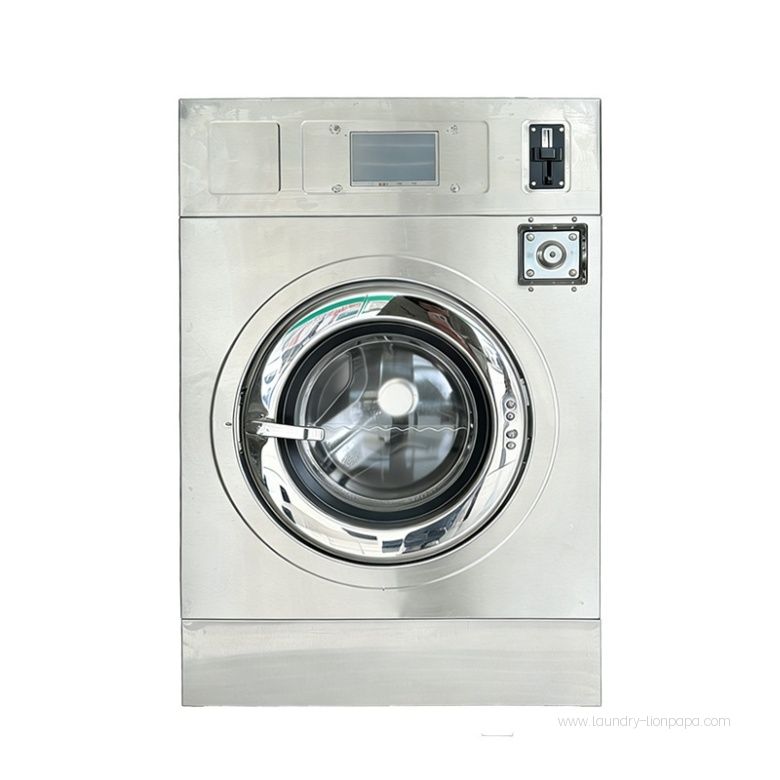
Durability is critical for high-usage environments. Military housing creates concentrated demand from many families. Commercial-grade equipment designed for intensive use provides reliable performance.
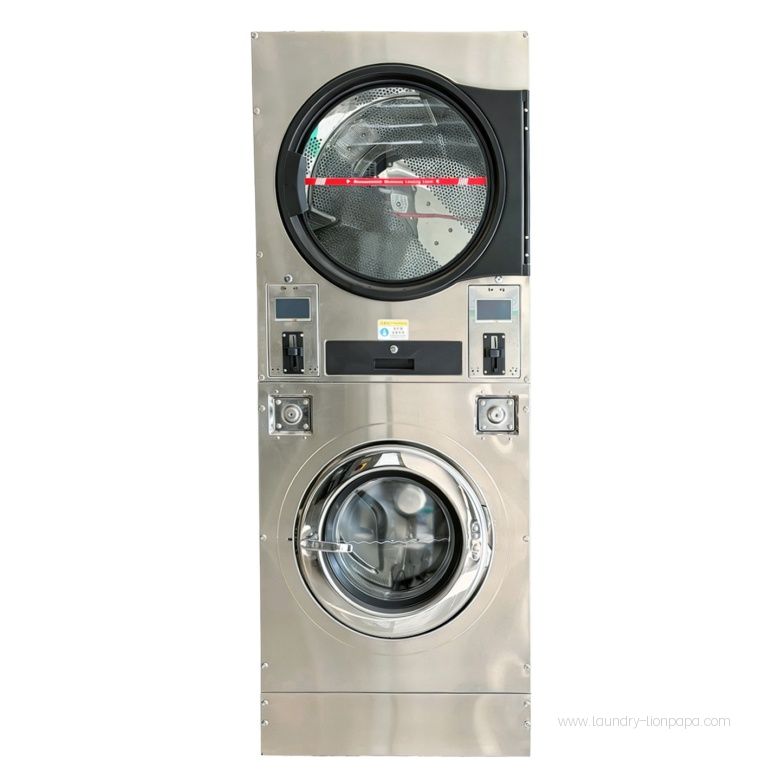
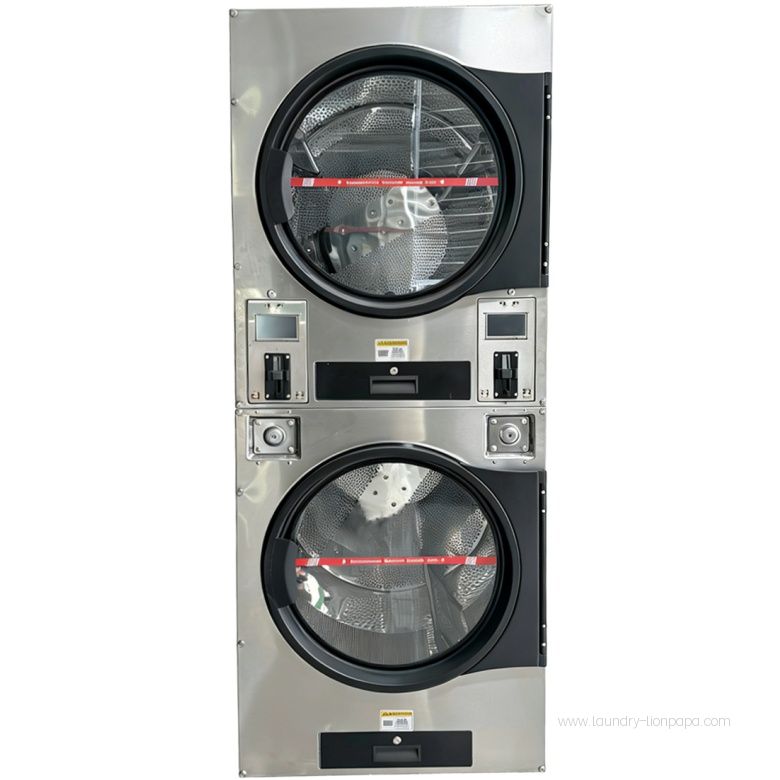
Stack washer-dryer combinations maximize capacity in multi-family housing. Space efficiency enables more machines per laundry room. This configuration reduces family wait times during peak periods.
Payment systems should accommodate military family preferences. Military installations often have specific payment systems or procedures. Integration with installation systems may be required.
Facility Design
Laundry room location within housing areas affects convenience. Central locations provide access for multiple housing units. Distributed laundry rooms reduce travel distance for families.
Space allocation affects equipment capacity and family experience. Adequate machines for the population served reduce wait times. Seating and folding tables improve the laundry experience.
Security measures include lighting, surveillance, and access control. Safe facilities protect families and reduce liability. Compliance with installation security requirements is mandatory.
Maintenance Considerations
Prompt maintenance response is critical for family satisfaction. Equipment failures create significant inconvenience for families. Service contracts with guaranteed response times protect family experience.
Installation maintenance staff may provide first-line response. Training installation maintenance staff on basic troubleshooting enables faster problem resolution. Clear escalation procedures ensure professional service when needed.
Parts availability affects repair timelines. Maintaining inventory of common replacement parts enables faster repairs. Supply chain considerations may differ on military installations.
Scheduling and Usage Patterns
Weekend and evening peaks align with military work schedules. Families typically do laundry during non-work hours. Understanding demand patterns enables appropriate capacity planning.
Deployment cycles affect demand patterns. Reduced family composition during deployments reduces laundry demand. Understanding deployment schedules helps anticipate demand variations.
Permanent change of station moves create demand spikes. Families often do extra laundry before and after moves. Peak demand during PCS season may exceed typical weekly patterns.
Payment and Revenue
Pricing should reflect military family budgets and expectations. Affordable laundry services demonstrate support for military families. Pricing comparison with off-installation alternatives ensures competitiveness.
Payment systems may integrate with installation systems. Military ID cards or installation-specific payment systems may be required. Understanding installation payment infrastructure enables appropriate system selection.
Revenue management supports housing office reporting requirements. Detailed transaction records enable financial accountability. Integration with installation financial systems may be required.
Community Impact
Quality laundry facilities support military family quality of life. Good amenities contribute to family satisfaction with military housing. Housing office staff value facilities that reduce complaints.
Laundry facilities serve as community gathering spaces. Families appreciate opportunities for social interaction. Pleasant laundry room environments support community building.
Support services may complement laundry facilities. Vending machines, message boards, and community information enhance the laundry experience. These services contribute to military community life.
Regulatory and Contract Considerations
Military housing may be operated by private companies under contract. Contract terms affect equipment ownership and operation. Understanding contract structures enables appropriate business arrangements.
Procurement procedures for military housing may have specific requirements. Competition requirements, small business preferences, and other factors affect vendor selection. Understanding military procurement processes supports successful proposals.
Performance standards and reporting requirements affect operations. Service level agreements define expectations for maintenance response and equipment uptime. Documentation of performance protects contractors during uations.