
+86 131 2258 8040
Phone / WhatsApp / WeChat
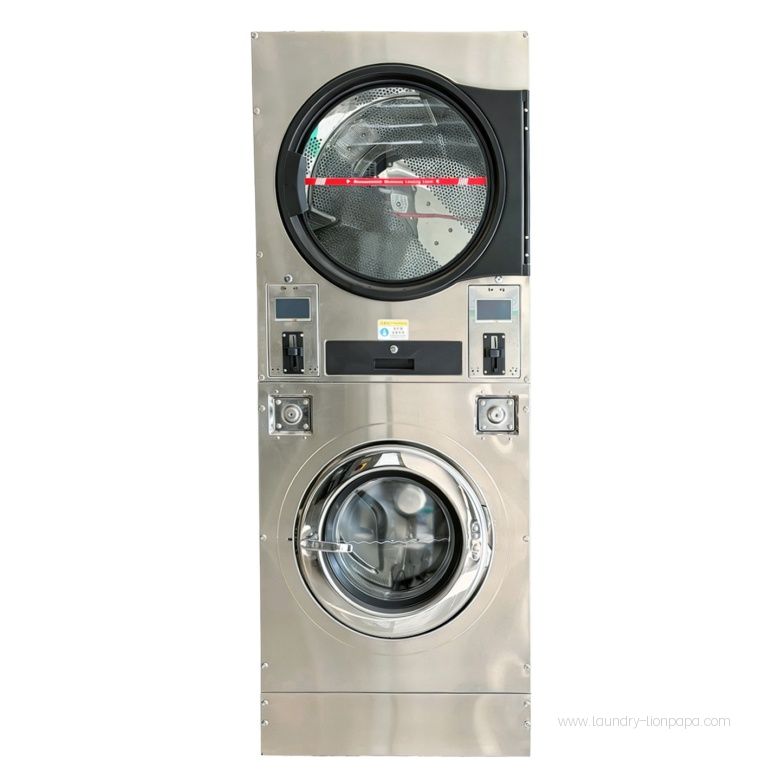
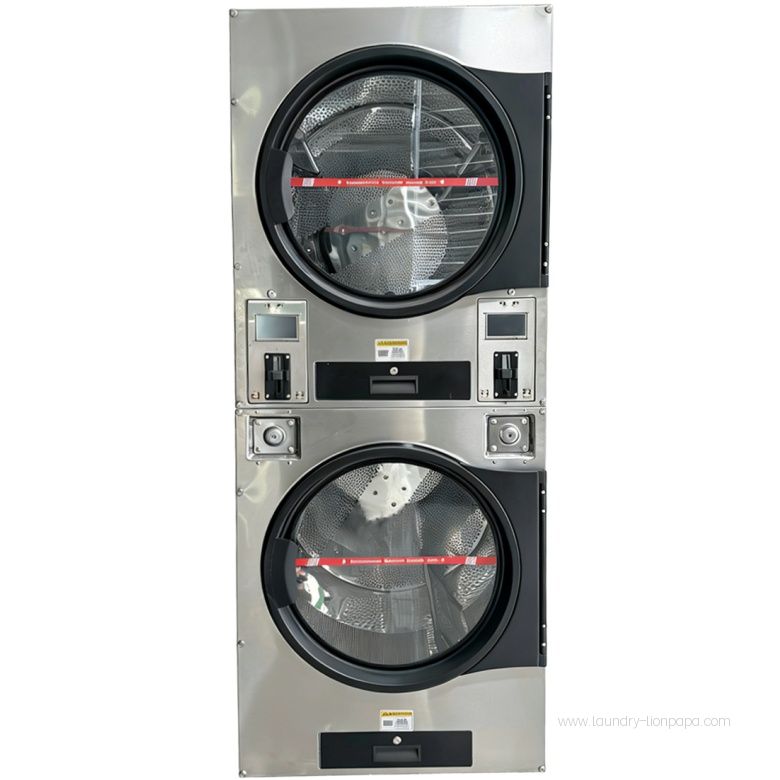
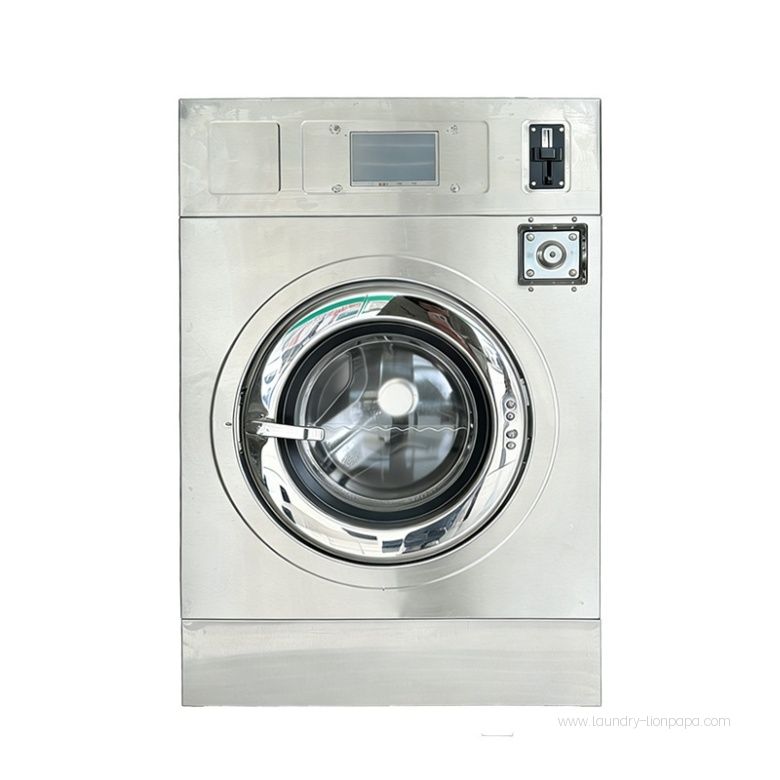
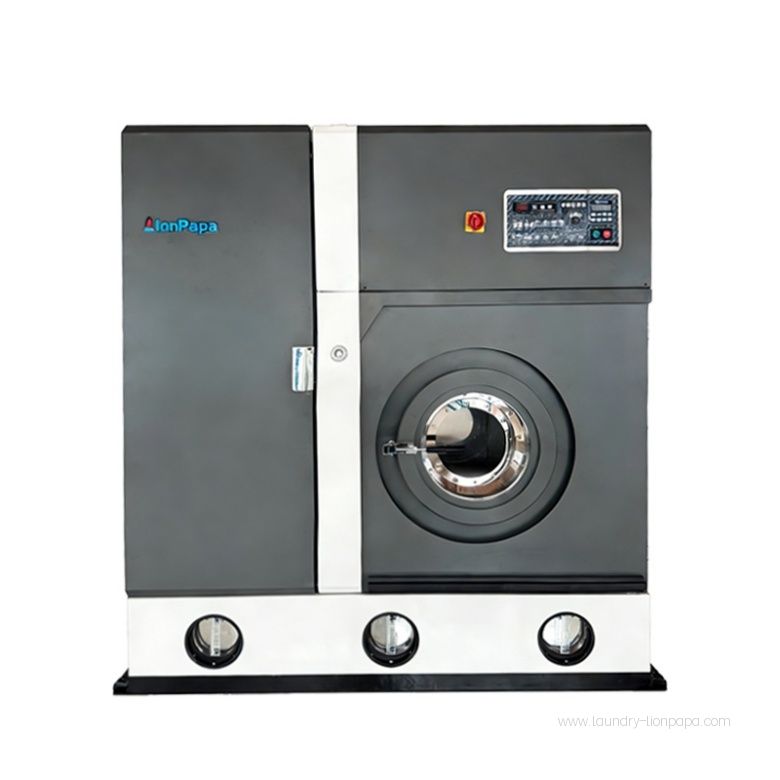
Residential care facilities require laundry solutions that serve resident needs while supporting facility operations. Coin-operated laundry equipment provides options for resident personal laundry and facility linens. Understanding the specific requirements of care facilities enables appropriate equipment solutions.
Resident Laundry Needs
Personal laundry enables residents to maintain independence in daily activities. Self-service laundry provides dignity for residents capable of managing their own laundry. Equipment design should accommodate residents with limited mobility or dexterity.
Family members may assist residents with laundry. Visiting family members appreciate facilities that enable them to help residents. Equipment accessibility affects the ability of family members to provide assistance.
Small load sizes are typical for resident personal laundry. Residents usually have limited clothing quantities requiring frequent washing. Multiple smaller machines serve resident needs better than fewer large machines.
Facility Operations
Housekeeping operations generate substantial laundry volume for linens and towels. Coin-operated equipment may supplement industrial laundry systems in smaller facilities. Equipment capacity must accommodate housekeeping volume in addition to resident use.
Staff uniforms may be laundered on-site. Small load capacity enables uniform washing during shifts. Equipment scheduling separates resident use from housekeeping and staff use.
Regulatory requirements affect laundry operations in care facilities. Health and safety standards may specify laundry procedures. Equipment selection and operation must comply with applicable regulations.
Accessibility Considerations
Equipment design affects resident accessibility. Front-loading washers with elevated drum positions reduce bending requirements. Large door openings and easy-grip handles accommodate residents with limited dexterity.
Controls should be easy to understand and operate. Large buttons, clear labels, and simple interfaces serve residents with cognitive limitations. Visual and auditory signals accommodate residents with sensory impairments.
Mobility aid access requires adequate space around equipment. Wheelchair-accessible laundry rooms enable residents with mobility devices to use facilities independently. Design should comply with accessibility standards for public facilities.
Safety Requirements
Temperature controls prevent scalding from hot water. Equipment settings should limit maximum water temperatures for resident safety. Anti-scald devices provide additional protection.
Door interlocks prevent opening during operation. Safety interlocks protect residents from moving parts and water exposure. Equipment should meet safety standards for public-use appliances.
Emergency procedures address equipment malfunctions. Clear instructions enable staff to respond to equipment problems. Emergency contact information should be prominently displayed.
Staff Support
Staff assistance may be necessary for some residents. Attended laundry service enables residents who cannot manage self-service to have laundry done. Staffing requirements depend on resident capabilities and facility policies.
Training on equipment operation enables staff to assist residents. Staff should understand equipment features and operation procedures. Quick troubleshooting capability reduces equipment downtime.
Maintenance staff capability affects equipment selection. Facilities with maintenance staff can manage equipment with more complex features. Limited maintenance capability may require simpler, more reliable equipment.
Equipment Selection
Durability and reliability are critical for continuous operation. Equipment failures disrupt resident services and create staff burden. Commercial-grade equipment designed for high-traffic environments provides reliable performance.
Energy efficiency reduces operating costs important for facility budgets. Efficient equipment manages utility costs over long operating periods. Some facilities may qualify for energy efficiency incentives.
Noise levels affect resident comfort. Quiet equipment operation prevents disturbance in residential care environments. Equipment location should consider noise impact on resident areas.
Payment Options
Free laundry service may be included in facility fees. Some facilities choose to provide free laundry as an amenity for residents. Equipment costs become facility operating expenses rather than revenue generators.
Coin-operated systems enable residents to pay for personal laundry. Traditional coin mechanisms are simple to use and understand. Some residents may prefer familiar coin payment.
Card systems may integrate with facility payment systems. Pre-loaded cards or accounts simplify payment for residents. Administrative systems enable family members to add funds for resident use.
Facility Design
Laundry room location affects resident convenience and facility operations. Locations accessible from resident areas enable independent use. Separation from quiet areas prevents noise disturbance.
Space allocation affects equipment capacity and accessibility. Adequate space between machines enables comfortable use and wheelchair access. Seating accommodates residents who need to rest during laundry activities.
Good lighting improves safety and usability. Adequate lighting enables residents to see controls and laundry clearly. Natural light improves the laundry room environment.
Regulatory Compliance
Health department regulations may specify laundry procedures. Equipment and procedures must comply with applicable health codes. Documentation of compliance protects facilities during inspections.
Fire safety requirements apply to laundry facilities. Equipment installation and ventilation must meet fire codes. Regular inspection of lint accumulation and ventilation systems prevents fire hazards.
Accessibility standards ensure facilities serve residents with disabilities. Compliance with ADA or equivalent standards provides legal protection. Accessible design benefits all residents, not just those with disabilities.
Financial Considerations
Equipment costs represent capital investment or operating expense depending on acquisition method. Purchase, lease, or service contract options have different financial implications. Analysis should consider total cost of ownership over equipment life.
Operating costs include utilities, maintenance, and supplies. Utility costs depend on equipment efficiency and usage volume. Maintenance costs vary with equipment quality and usage intensity.
Revenue from laundry fees may offset costs. Pricing decisions affect revenue and resident satisfaction. Free laundry as an included amenity may enhance facility attractiveness to prospective residents.