Starting a laundromat business requires careful consideration of equipment choices. Coin-operated washing machines remain the backbone of self-service laundry facilities worldwide. These machines offer a proven business model that has sustained profitability for decades across diverse markets and economic conditions.
Understanding Coin-Operated Washing Machine Technology
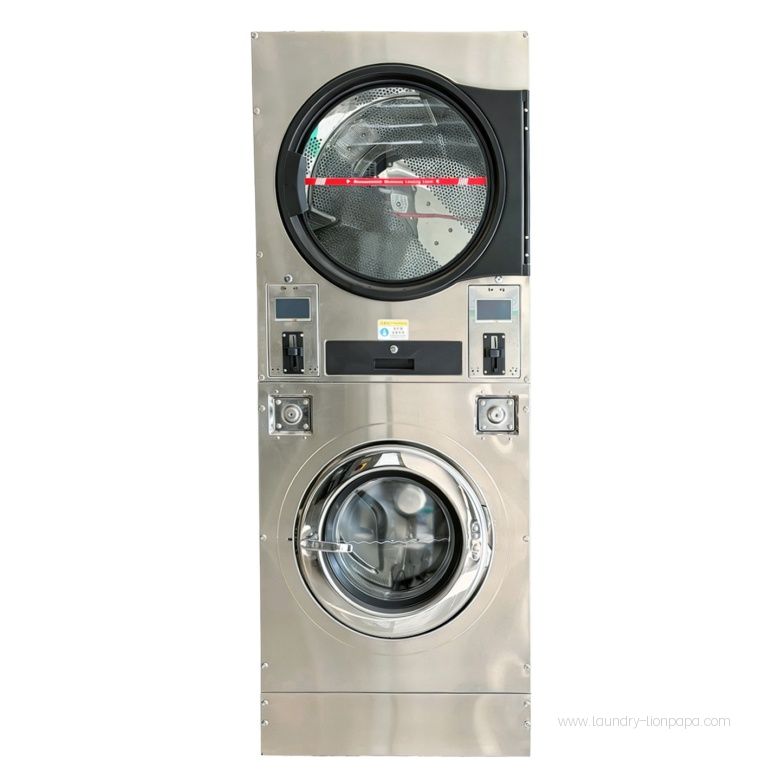
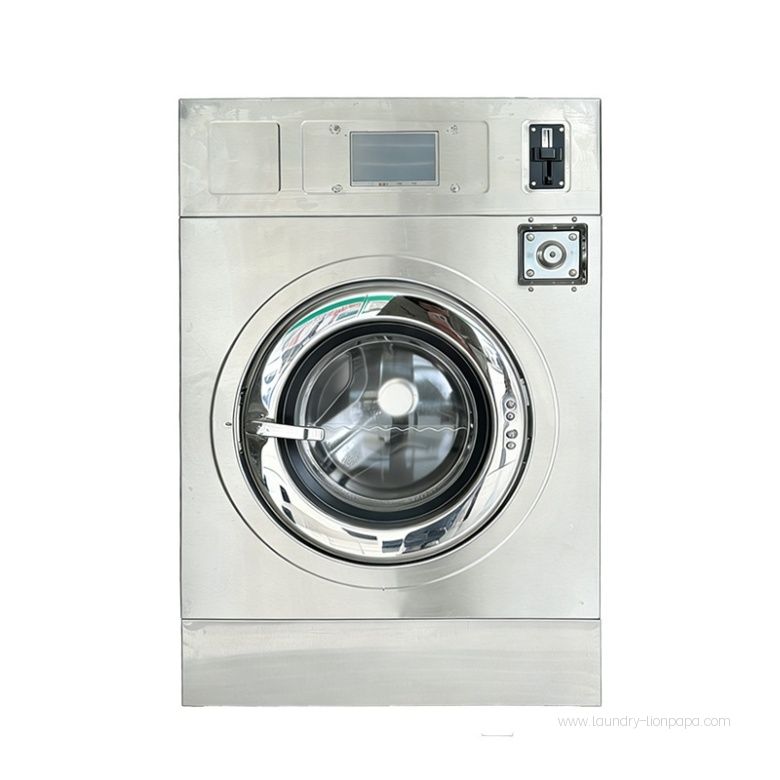
Modern coin-operated washing machines have evolved significantly from their early predecessors. Today's commercial laundry equipment features advanced digital controls, multiple wash cycle options, and energy-efficient operation. The integration of coin mechanisms with electronic payment systems provides flexibility for both operators and customers.
Commercial-grade washing machines differ substantially from residential units in construction quality, durability, and performance capacity. Industrial components, including heavy-duty motors, reinforced drums, and commercial-grade bearings, ensure reliable operation under continuous use conditions typical of laundromat environments.
Key Features to Consider When Purchasing
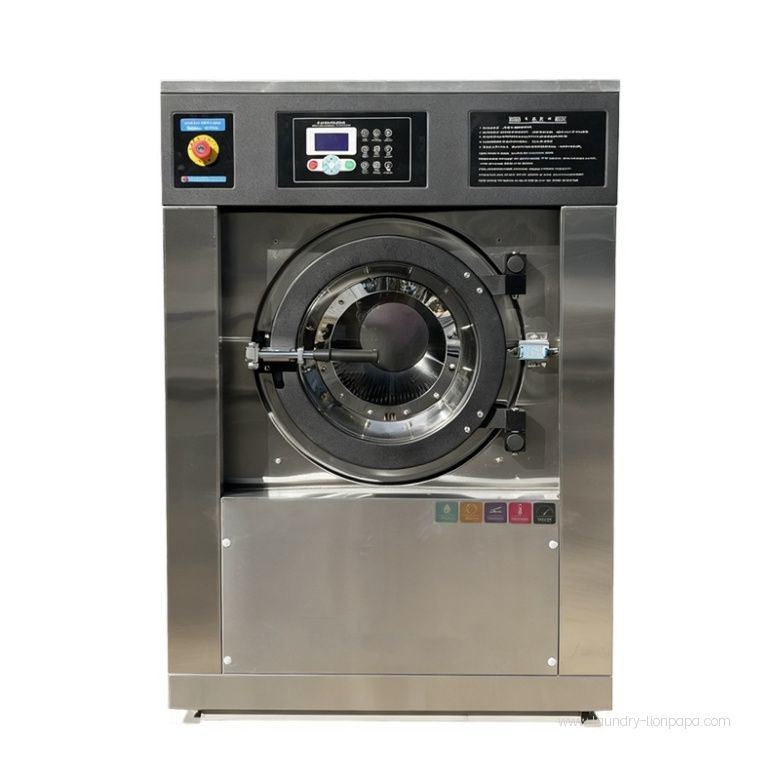
Capacity represents a critical factor in equipment selection. Machines ranging from 12kg to 20kg capacity accommodate various customer needs, from individual loads to large family washes. Higher capacity units typically generate more revenue per cycle, though they require proportionally larger initial investments and operational space.
Energy efficiency directly impacts operational costs and profitability. Modern coin-operated washers incorporate variable frequency drives, optimized water usage patterns, and high-extraction spin cycles that reduce drying time and energy consumption. These features translate to lower utility bills and improved profit margins over the equipment's operational lifetime.
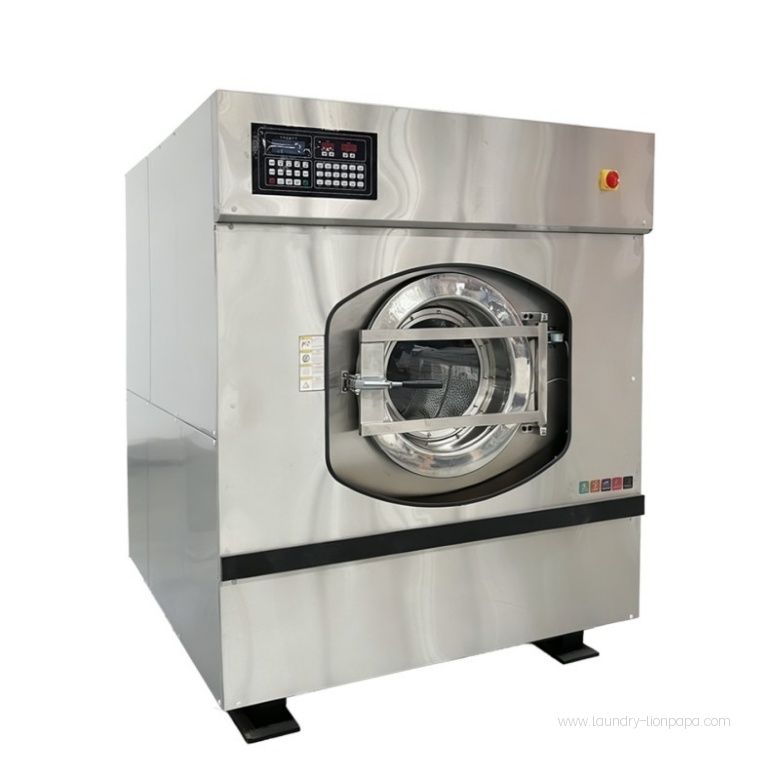
Durability and maintenance requirements significantly influence total cost of ownership. Stainless steel construction resists corrosion and wear, while modular design facilitates easier repairs and component replacement. Equipment from established manufacturers typically offers better parts availability and technical support, reducing downtime and maintenance expenses.
Revenue Optimization Strategies
Pricing strategy requires careful analysis of local market conditions, competitor pricing, and operational costs. Many successful laundromat operators implement tiered pricing based on wash cycle selection, water temperature, and machine capacity. Premium pricing for larger capacity machines reflects their higher throughput and customer convenience value.
Machine placement and layout optimization can significantly impact customer flow and revenue generation. High-traffic areas near entrances or visible from street level attract impulse customers. Grouping machines by capacity and function creates intuitive customer experiences that encourage repeat business and positive word-of-mouth recommendations.
Installation and Setup Requirements
Professional installation ensures proper equipment operation and compliance with local building codes. Electrical requirements typically range from 220V to 440V depending on machine capacity and heating system configuration. Adequate electrical panel capacity and proper circuit protection prevent operational issues and safety hazards.
Plumbing infrastructure must accommodate both water supply and drainage requirements. High-capacity machines require adequate water pressure and flow rates for optimal performance. Drainage systems must handle peak water discharge volumes without backup or flooding risks. Many installations benefit from water recycling systems that reduce consumption and operational costs.
Maintenance and Longevity Considerations
Regular maintenance extends equipment lifespan and prevents costly breakdowns. Daily inspections of coin mechanisms, door seals, and drain filters identify issues before they escalate into major problems. Weekly cleaning of detergent dispensers and drum interiors maintains hygiene standards and prevents mold or mildew growth.
Preventive maintenance schedules should include quarterly inspections of electrical connections, bearing conditions, and belt tension. Annual professional servicing addresses wear items and ensures calibration of control systems. Documenting maintenance activities helps identify recurring issues and optimize service intervals.
Choosing Reliable Suppliers
Selecting equipment suppliers requires uation of product quality, warranty coverage, and after-sales support. Established manufacturers with proven track records offer greater reliability and parts availability. Customer reviews and industry references provide insights into real-world performance and support quality.
Consider total cost of ownership rather than focusing solely on purchase price. Energy-efficient models may cost more initially but generate significant savings over their operational lifetime. Supplier location affects shipping costs and delivery times, while local service availability influences maintenance convenience and cost.