
+86 131 2258 8040
Phone / WhatsApp / WeChat
1. Business Definition: Daily Output of 1,000 Linen Sets
First, we clarify the standard composition of one set of hotel linen:
1 fitted sheet + 1 duvet cover + 2 pillowcases + 1 bath towel + 1 face towel + 1 bath mat.
Based on this specification, 1,000 daily sets translate to 1,000 fitted sheets, 1,000 duvet covers, 2,000 pillowcases and 3,000 towel items, with a total weight of 3 to 5 tons — the typical daily throughput of a medium-sized commercial laundry plant.
2. Capital Investment in Core Equipment
Machinery constitutes the largest fixed asset expenditure for a laundry facility. Below is the standard equipment configuration for 1,000 daily linen sets:
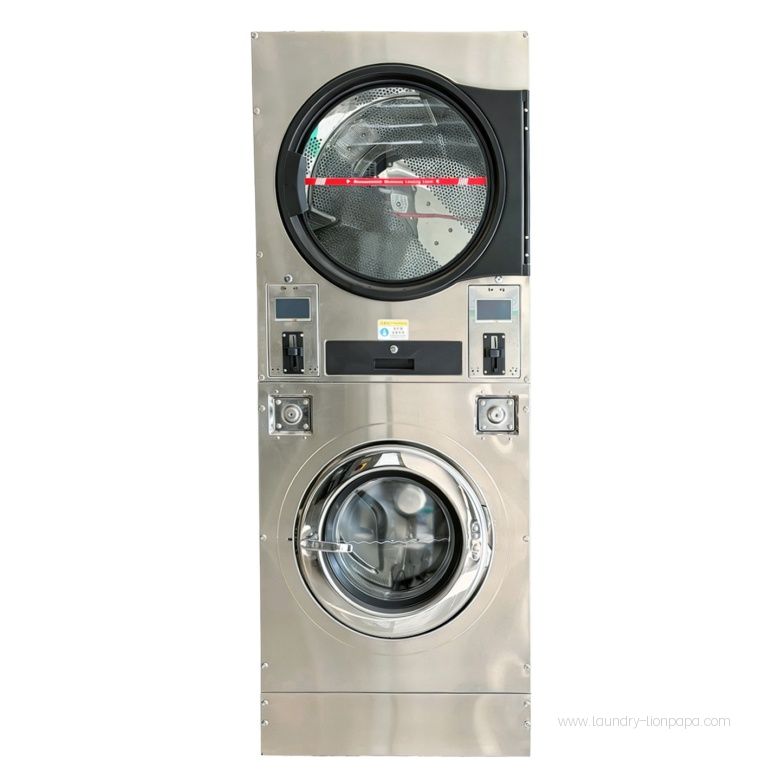
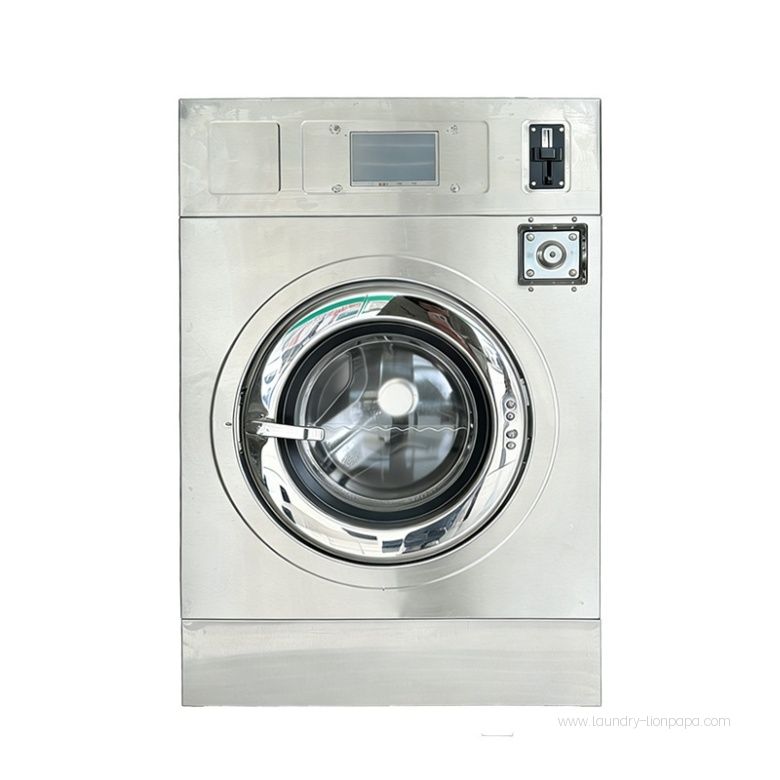
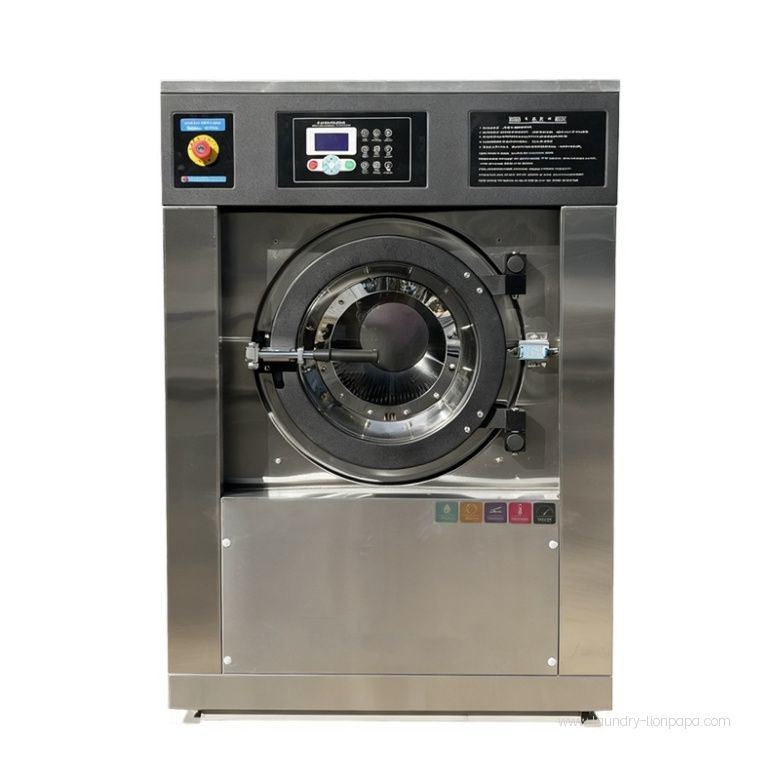
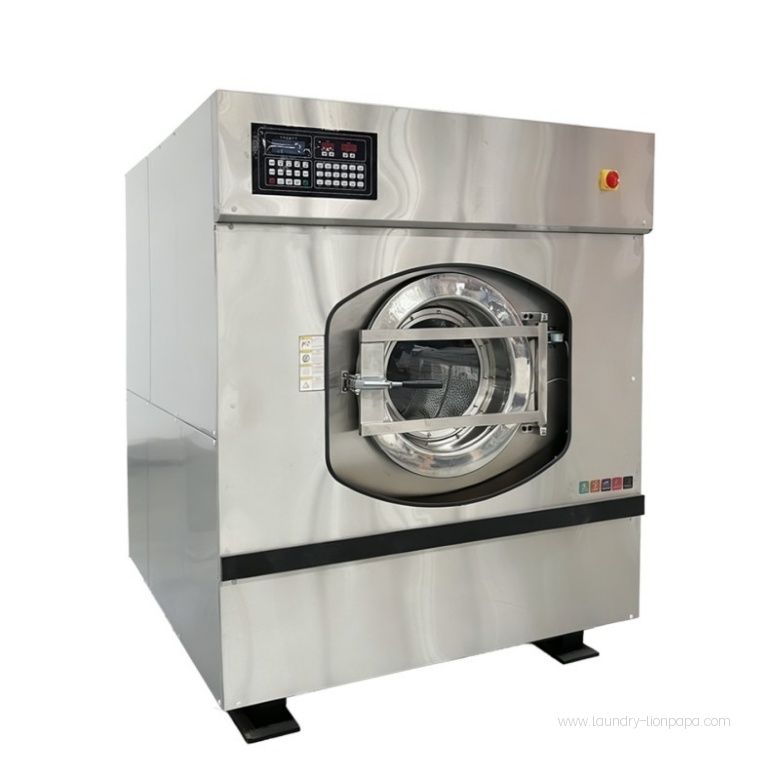
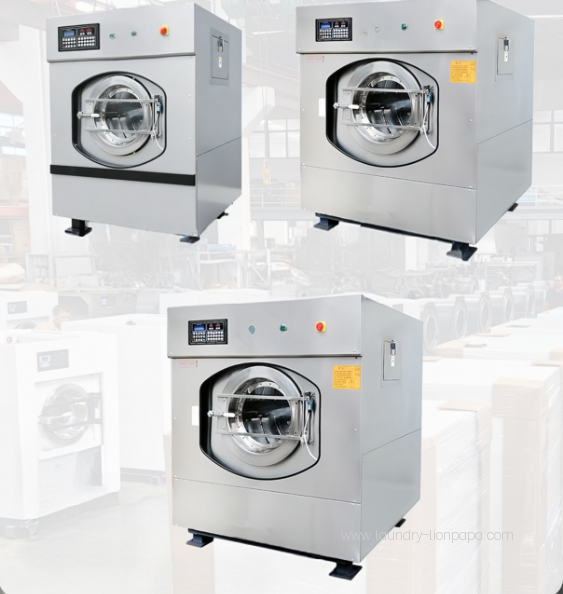
①Industrial Washer-Extractors
Option A: 3–4 units of 100kg capacity washer-extractors; Option B: 4–5 units of 50kg capacity models, to handle the daily 4–5 ton washing load.
Unit price: 100kg models cost $8,500–$21,500; 50kg models cost $5,700–$11,500. Total budget: $28,500–$43,000.
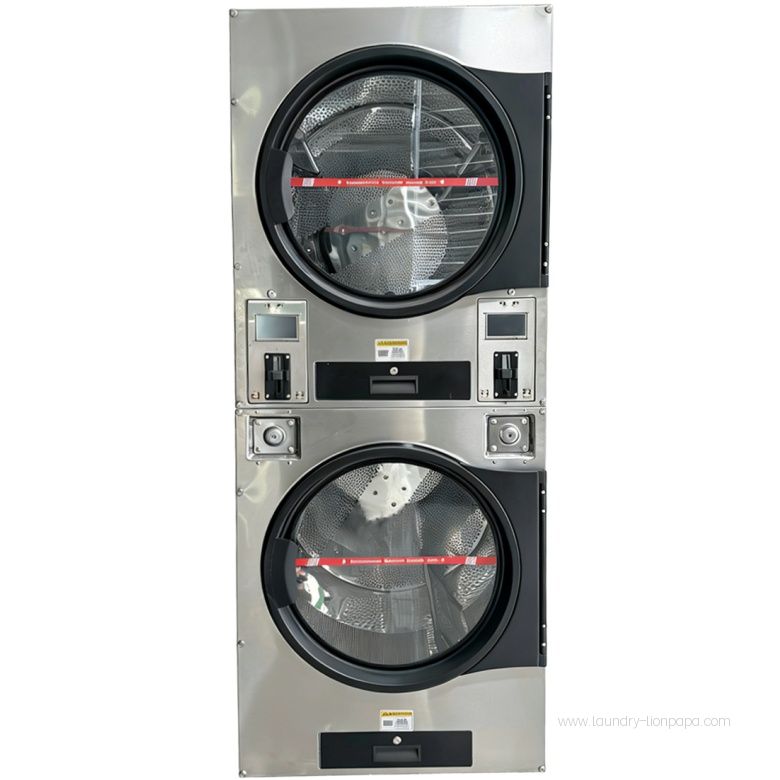
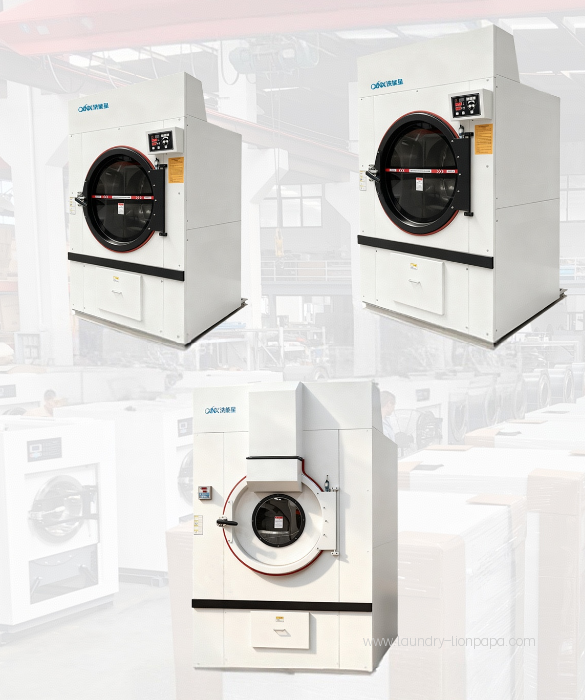
②Industrial Dryers
2–3 units of 100kg tumble dryers are required, priced at $7,100–$14,300 apiece. Total budget: $21,400–$35,700.
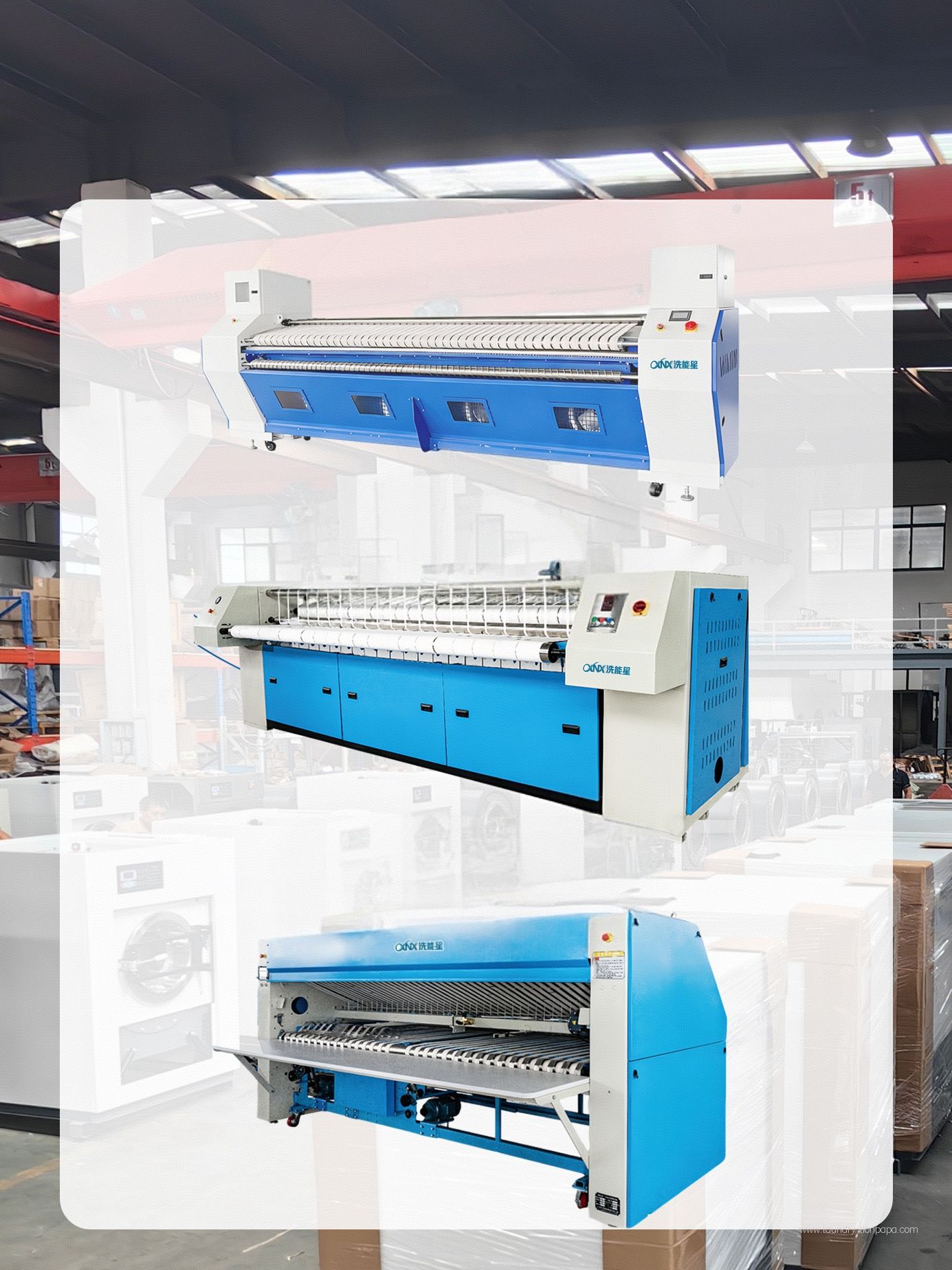
③Flatwork Ironing Machine
A 4-roll flatwork ironer is essential for linen finishing, costing $12,800–$28,600 for one unit (minimum requirement for this throughput).
④Industrial Folding Machine
Automated linen folders drastically boost productivity and cut labor costs, with a single unit priced at $10,000–$21,400.
⑤Auxiliary Equipment
Including feeding conveyors, stackers, air compressors, water treatment systems, linen transport trolleys and workstations, with a budget of $5,700–$21,400.
⑥Steam Boiler
A 0.5–1 ton gas-fired steam boiler supplies steam for washing and ironing, priced at $7,100–$14,300.
Total equipment investment: $114,000 – $214,000.
Final costs vary based on brand selection, new/used condition and configuration. Premium domestic Chinese brands deliver reliable performance at controlled costs, while imported machinery commands higher prices with superior long-term durability.
①Workshop Rent
A total floor area of 300–500㎡ is required, covering washing zone, drying zone, ironing & folding zone, sorting area, warehouse and office space. Annual rent ranges from $21,400 to $57,100, depending on city tier and location.
②Workshop Renovation
Works include anti-slip flooring, drainage systems, ventilation upgrades, power capacity expansion and steam pipeline installation, costing $7,100–$28,600.
③Fire Safety & Environmental Compliance
Mandatory upgrades include wastewater treatment facilities and exhaust emission compliance. Environmental protection hardware costs $1,400–$21,400.
Total upfront workshop & infrastructure cost (Year 1): $42,800 – $107,100.
With average monthly payroll of $570–$860 per staff member, monthly labor expense totals $8,570–$14,300, equivalent to $85,700–$142,800 annually.
Each linen set consumes 40–80 liters of water, equaling 40–80 tons daily. At an industrial water tariff of $0.57–$1.14 per ton, daily water costs run $343–$914, with monthly expenditure of $1,028–$2,743.
Washer-extractors, dryers, ironers, folders and lighting consume 800–1,200 kWh daily. At an industrial electricity rate of $0.11–$0.17 per kWh, daily power costs reach $731–$1,646, with monthly bills of $2,743–$6,171.
Gas-fired boilers consume 100–200 cubic meters of natural gas daily, priced at $4.30–$7.15 per m³. Monthly gas expenditure totals $12,860–$42,860. Electric steam generators may be used as an alternative, which will raise electricity consumption accordingly.
Consumables include main detergents, bleaches, sour neutralizers, fabric softeners and degreasers. Chemical cost per set stands at $0.11–$0.21, totaling $114–$214 daily, or $3,428–$6,428 monthly.
Covers linen polybags, delivery vehicle fuel and maintenance: $714–$1,428 monthly.
Annual routine maintenance: $4,286–$11,428. Straight-line depreciation is calculated over a 5–8 year useful equipment lifespan, with annual depreciation expense of $21,428–$35,714.
Including insurance, wastewater treatment chemicals, office supplies and communication fees: $428–$857 monthly.
Total monthly operational cost: $17,140 – $31,430 | Total annual running cost: $171,400 – $314,300.
*Fitted Sheet: $2.15 – $4.30 / piece
*Duvet Cover: $2.85 – $5.70 / piece
*Pillowcase: $0.71 – $1.43 / piece
*Bath Towel: $1.43 – $2.85 / piece
*Face Towel: $0.71 – $1.43 / piece
*Bath Mat: $0.71 – $1.43 / piece
The comprehensive all-in washing rate averages $11.40 – $20.00 per full linen set, generating daily revenue of $11,400–$20,000. Based on 26 working days per month, monthly revenue hits $296,400–$520,000, with annual revenue ranging from $299,800 to $524,400.
Many laundries also offer a linen rental bundled service: supplying proprietary linen to hotels while handling full cleaning cycles.
This model delivers higher per-set gross margin but requires additional upfront investment of $42,800–$71,400 for initial linen stock procurement.
-Moderate Projection: Annual Revenue $404,800 − Annual Operating Cost $285,700 = Annual Net Profit $119,100
Payback period: 1 to 2 years
-Optimistic Projection: Annual Revenue $524,400 − Annual Operating Cost $171,400 = Annual Net Profit $353,000
Payback period: 6 months to 1 year
In real-world stable operation, a 1,000-set daily laundry plant yields an annual net profit of $71,400 to $214,300. Profit performance hinges on the following core factors:
Client Mix & Pricing Strategy: High-end hotels accept premium pricing for strict wash quality standards, while budget hotel chains deliver high order volume with lower unit rates. A balanced portfolio of high/mid-tier clients avoids overreliance on low-margin contracts.
Capacity Utilization Rate: 1,000 sets represents designed maximum capacity, determined by client volume and order stability. Profitability deteriorates sharply when utilization falls below 60%, due to fixed cost amortization. Sustaining utilization above 80% is the foundation of consistent profitability.
Labor Productivity: Labor accounts for the largest operational expense. Optimized staffing, standardized SOPs and automated finishing equipment drastically improve efficiency. For example, an automatic folder can eliminate 2–3 manual folding roles, cutting annual labor spend by $14,280–$25,710.
Energy Consumption Control: Water, power and gas account for 15%–25% of total running costs. Energy-efficient machinery, optimized wash cycles, steam recovery and waste heat recycling deliver tangible utility savings.
Linen Shrinkage & Loss Rate: The laundry factory usually bears financial losses from damaged or missing linen. Robust linen tracking protocols and RFID inventory technology effectively reduce attrition rates.
Accounts Receivable Cycles: Standard hotel payment terms range from 30 to 90 days, with extended terms increasing capital occupation and financial overhead. Strict receivables management is critical for cash flow health.
Upgrade Automation: Deploy automated ironing and folding systems to reduce manual labor dependency. Higher upfront equipment costs are offset by long-term labor savings and throughput gains.
Optimize Washing Formulas & Cycles: Refine wash programs to shorten cycle times, lower heating temperatures and cut chemical dosage without compromising cleaning results.
Develop Value-Added Services: Beyond standard washing, offer linen leasing, mending, specialty stain treatment and rush expedited laundry to boost customer retention and average order value.
Bulk Procurement Negotiation: Secure discounted pricing for detergents and packaging materials via long-term supply contracts and consolidated bulk purchasing.
Water Reclamation Systems: Install wastewater recycling infrastructure to reuse treated rinse water for pre-wash cycles, cutting freshwater consumption by 30%–50%.
Off-Peak Power Scheduling: Run high-load machinery during off-peak electricity tariff windows to minimize power bills.
Client Concentration Risk: Heavy reliance on 1–2 major clients creates severe revenue risk if contracts terminate. Maintain a minimum of 5–8 active clients, with no single client contributing more than 30% of total revenue.
Price Competition Risk: Low market entry barriers trigger price wars in many regions. Sustainable growth relies on superior service quality rather than race-to-the-bottom pricing tactics.
Evolving Environmental Regulations: Tightening wastewater discharge and emission standards will raise ongoing compliance costs; reserve dedicated budgets for future environmental upgrades.
Rising Labor Costs: Persistent wage inflation heavily impacts labor-intensive laundry operations. Progressive automation upgrades serve as a long-term countermeasure against payroll hikes.