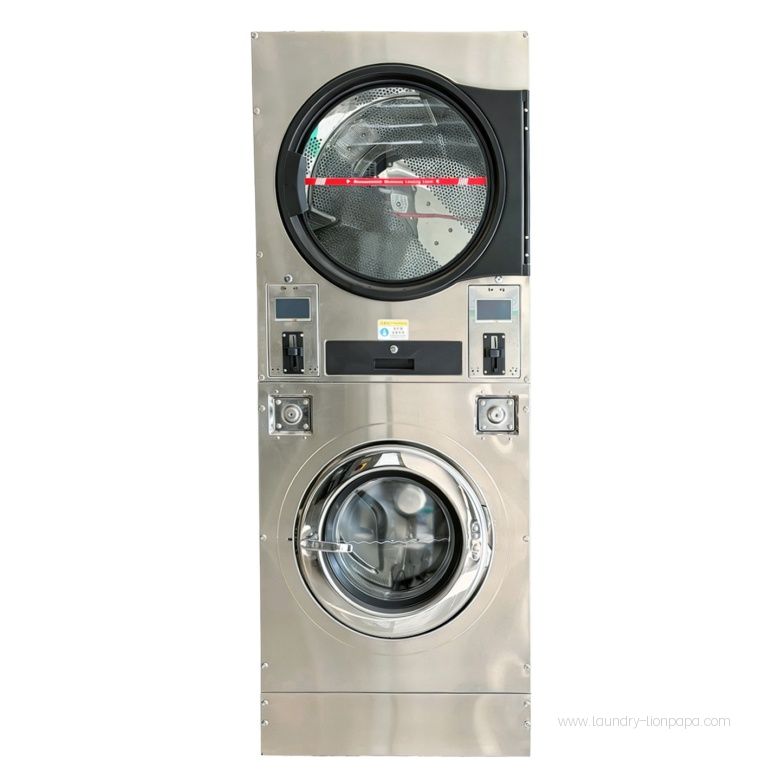
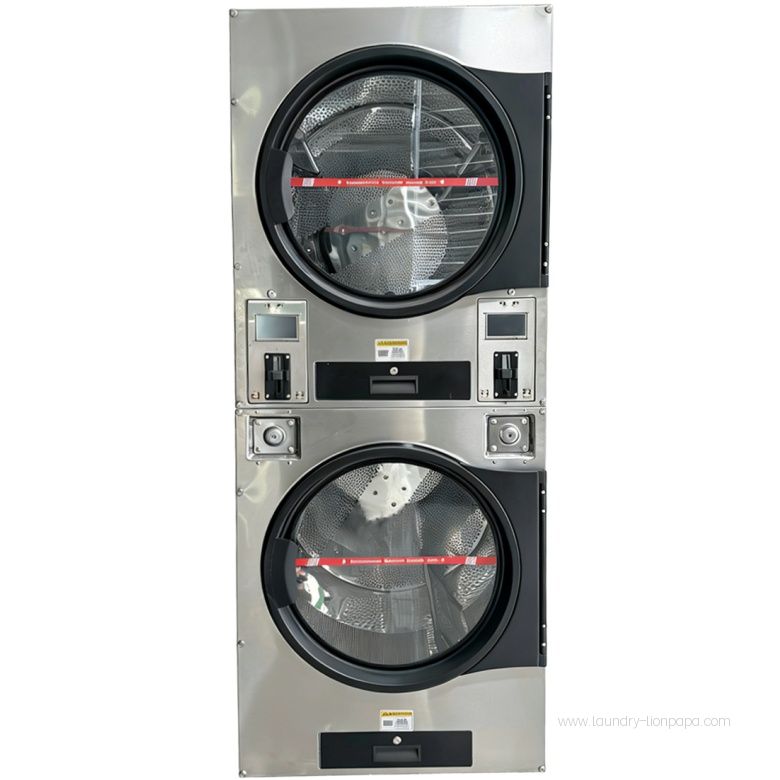
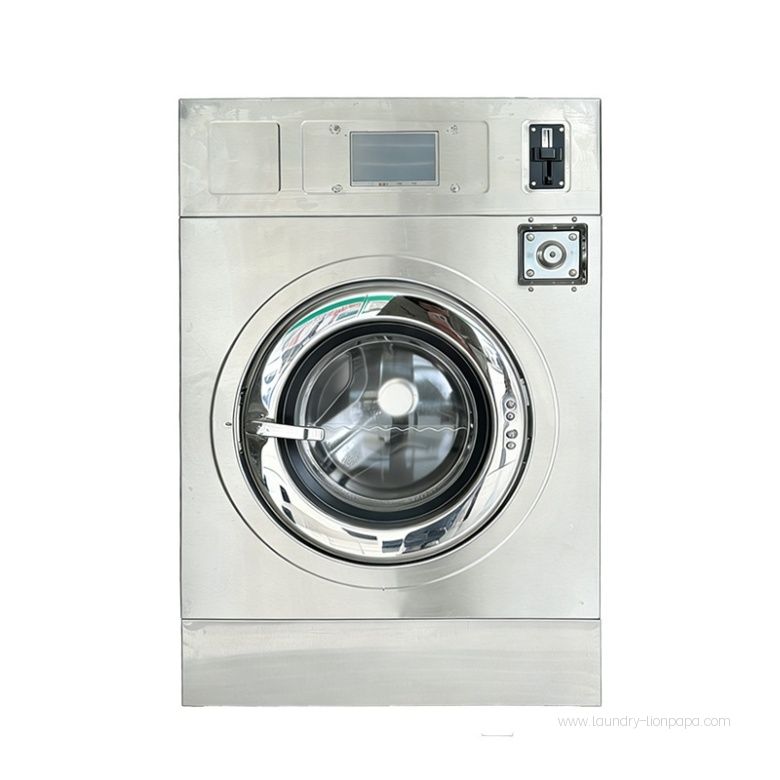
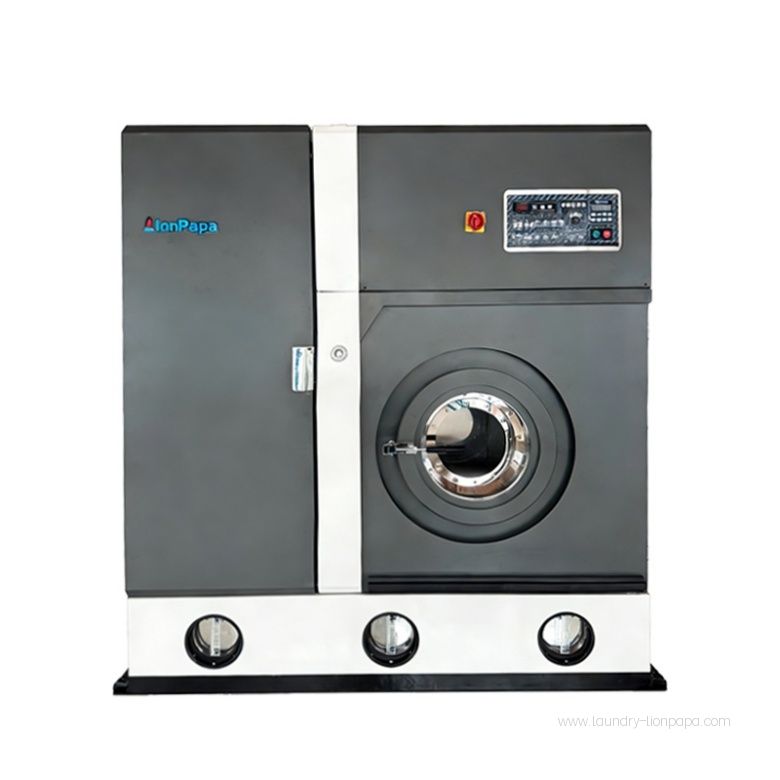
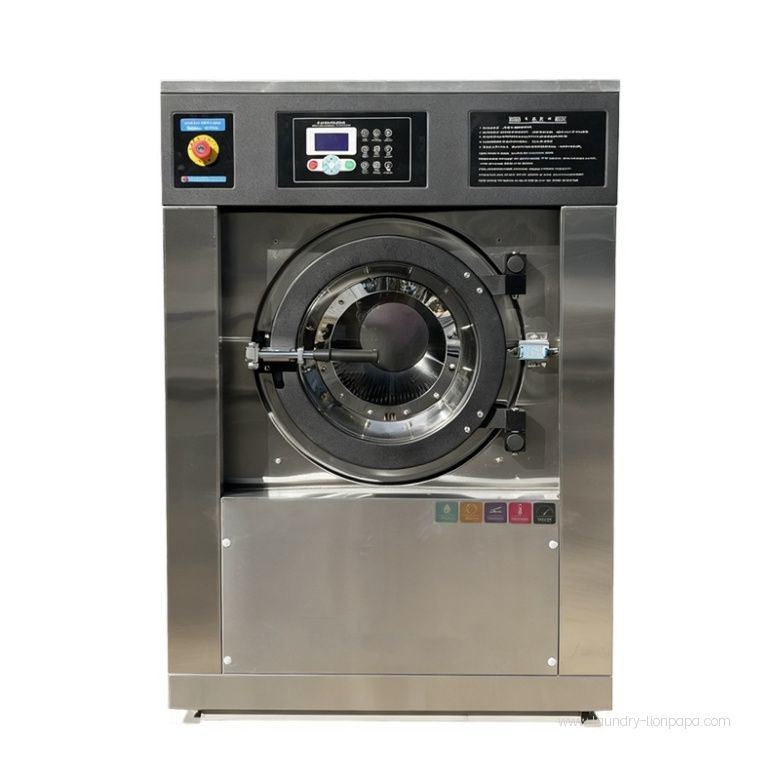
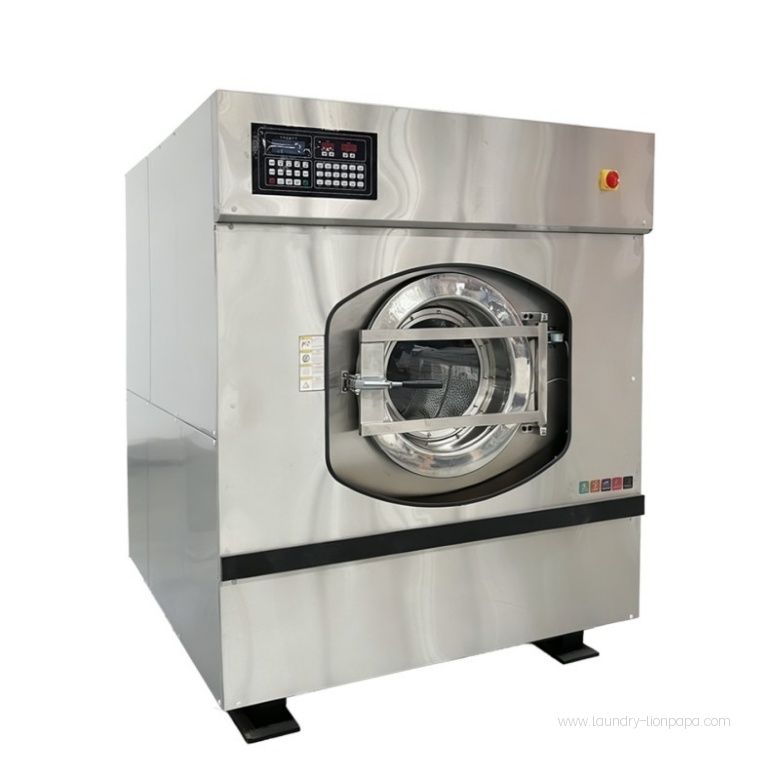
Commercial coin-operated laundry equipment belongs to public electrical equipment. Standardized installation, operation, and safety compliance are basic guarantees for avoiding safety accidents and meeting venue supervision requirements. Operators need to strictly abide by electrical, fire, and plumbing specifications to achieve compliant and safe operation.
Electrical Safety Installation Specifications
Equipment power configuration meets commercial load standards, with independent circuit and overload protection switch.
Strict grounding treatment prevents electric leakage risks in high-humidity laundry environments.
Circuit wiring complies with fire protection standards, avoiding disorderly wiring and aging short circuits.
Water and Pipeline Safety Standards
Water inlet and drainage pipelines are installed firmly with anti-leakage and anti-loosening measures.
Drainage system meets municipal sewage discharge standards without blockage and backflow.
Pipeline layout avoids extrusion damage and ensures long-term stable waterway operation.
Fire Prevention and Ventilation Safety
Dryer lint is flammable, requiring regular cleaning and fire prevention management.
Laundry room maintains good ventilation to reduce humidity and avoid electrical equipment damp aging.
Equip necessary fire-fighting equipment to meet public venue fire protection requirements.
Daily Safety Operation Norms
Post load limit and safety operation guidelines to prevent equipment damage and safety accidents caused by overloading.
Prohibit placing flammable and explosive items into the machine for washing and drying.
Timely power off and stop operation when abnormal equipment occurs.
Regulatory Compliance Management
Comply with local commercial electrical safety inspection standards.
Meet public health and environmental protection supervision requirements.
Keep complete equipment inspection and maintenance records for supervision and audit.