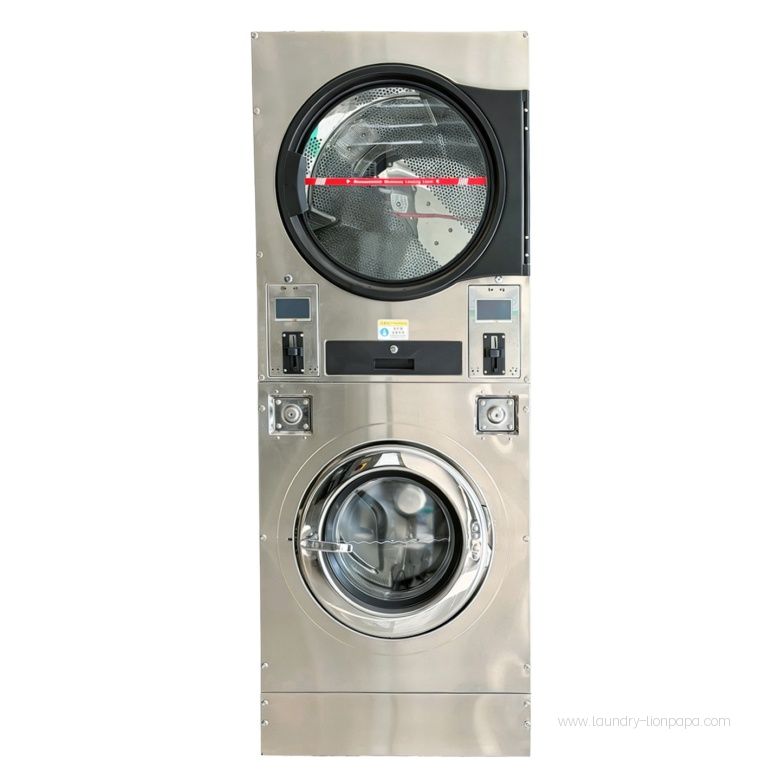
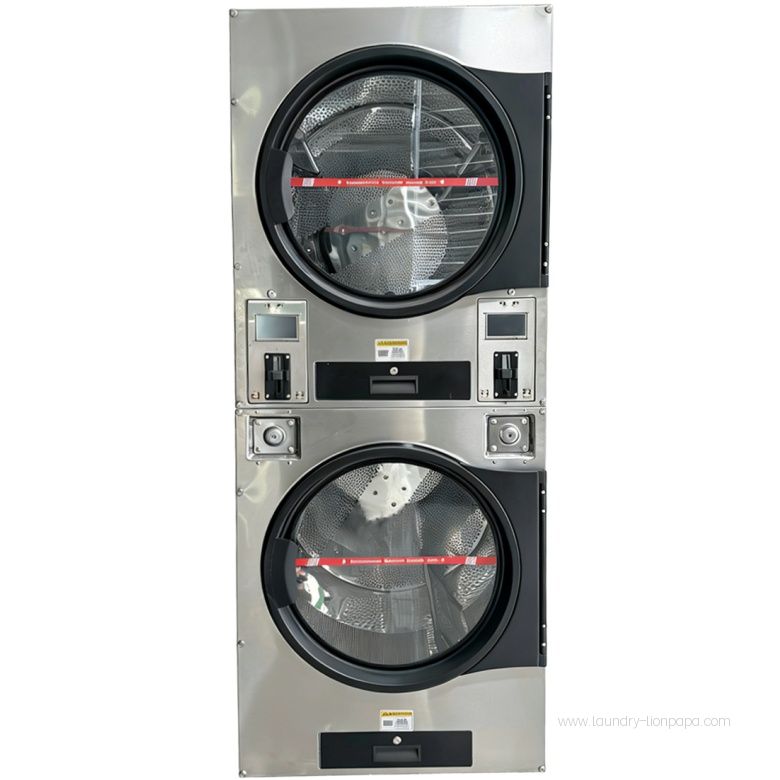
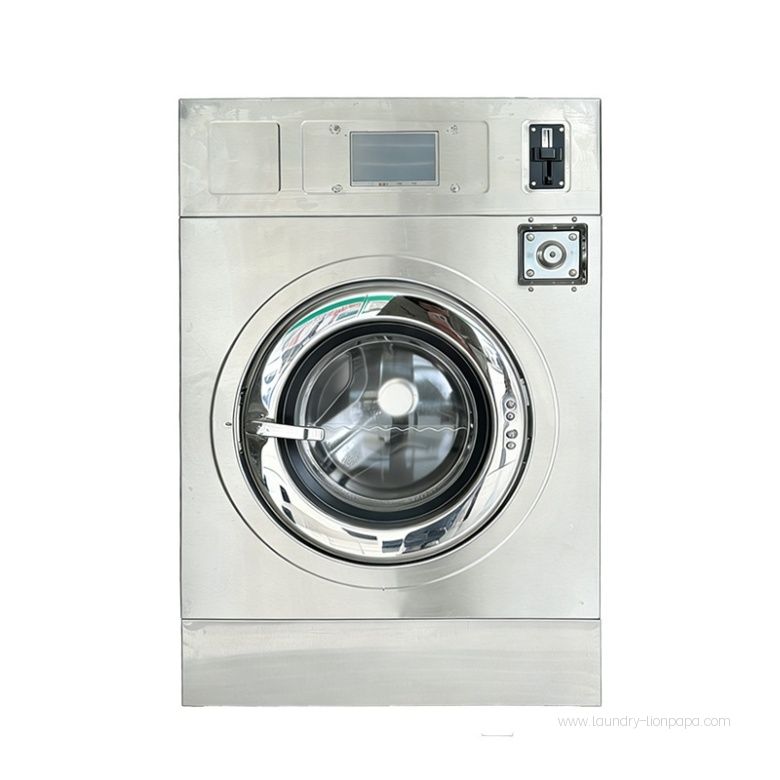
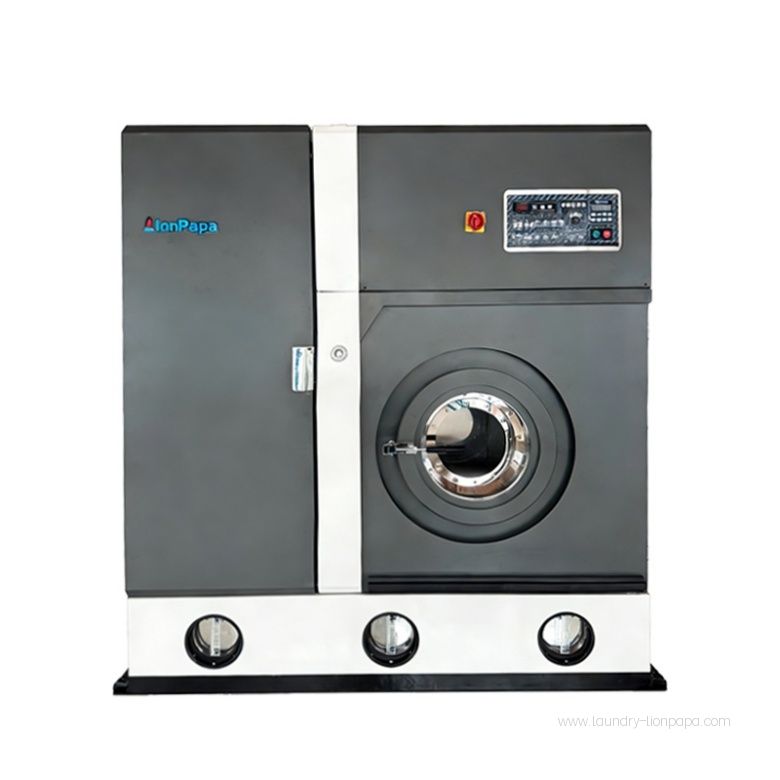
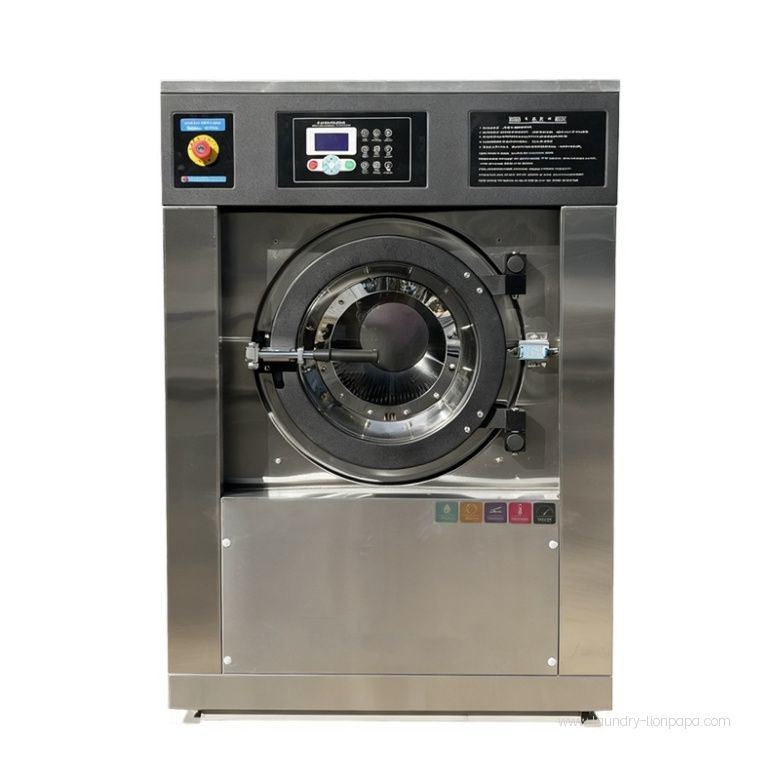
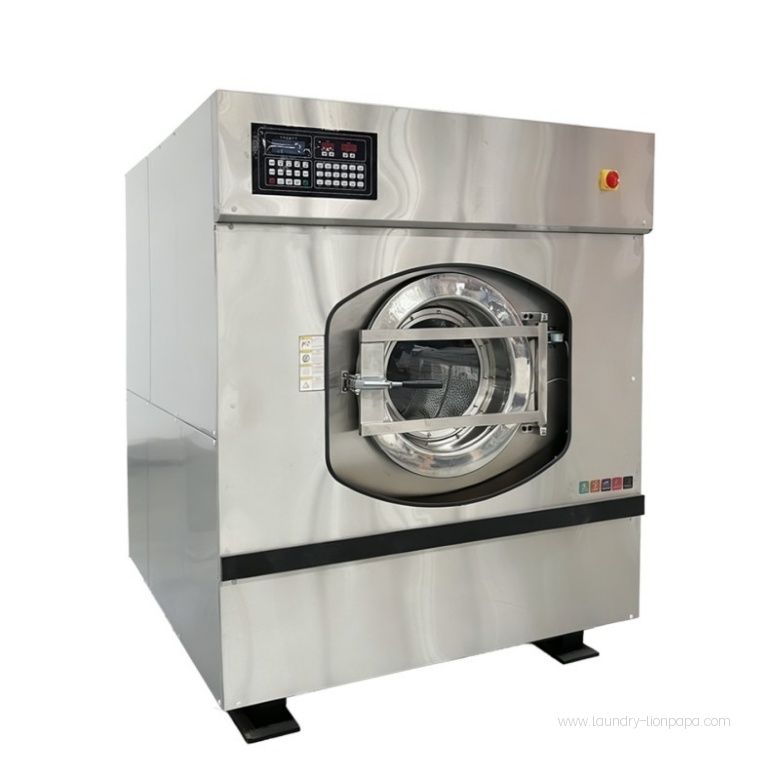
The self-service coin laundry industry has stable investment attributes and anti-risk capabilities. With the acceleration of urbanization and the improvement of shared economy, commercial coin laundry equipment has become a high-quality light-asset investment project with low labor dependence, stable income, and scalable operation.
Industry Market Demand Background
Modern urban residents have fast-paced lives and low willingness to wash large bedding and heavy clothes manually.
A large number of floating populations such as students, workers, and tourists generate rigid shared laundry demand.
Traditional household washing cannot meet large-volume, high-cleanliness commercial laundry needs.
Core Investment Advantages
Low labor dependence realizes unattended operation and greatly reduces labor costs.
Stable user demand ensures continuous and stable daily revenue without obvious off-season recession.
Light-asset operation mode has low operating threshold and flexible site selection and expansion.
Equipment service life is long, with low replacement frequency and long-term return cycle advantages.
Profit Model Analysis
Core profit comes from washing and drying service fees with stable unit gross profit.
Auxiliary income can be expanded through preferential packages and membership recharge.
Multi-store replication can realize scale effect and reduce average operating cost.
Industry Risk Resistance
Rigid laundry demand is less affected by economic fluctuation, with strong industry stability.
Unattended operation avoids personnel management risks and labor cost increases.
Standardized equipment operation reduces technical barriers and operational risks.
Future Development Trends
Intelligent payment and remote management improve operational efficiency.
Energy-saving and environmentally friendly equipment becomes industry mainstream.
Chain and standardized operation gradually replaces scattered small stores.