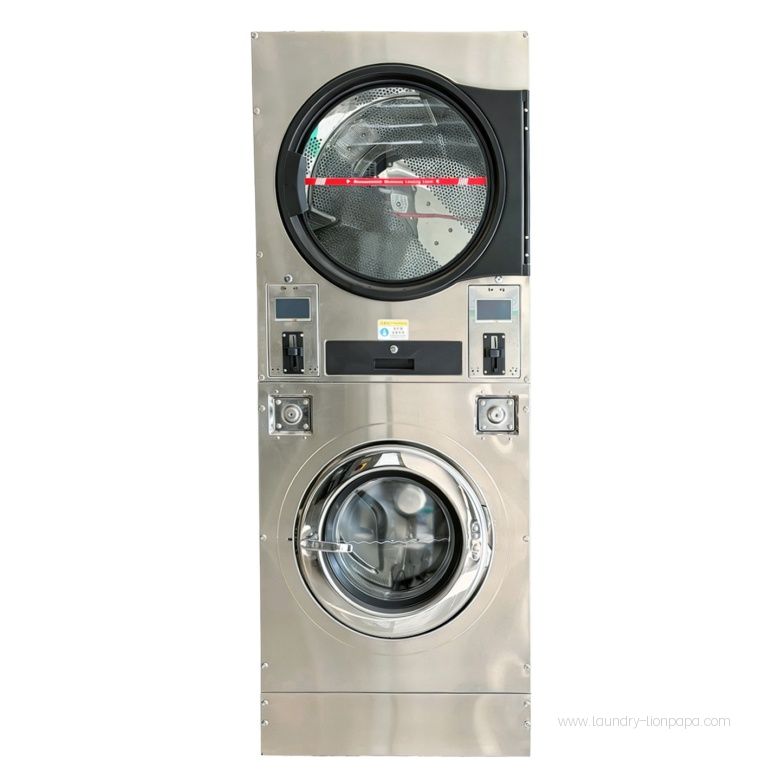
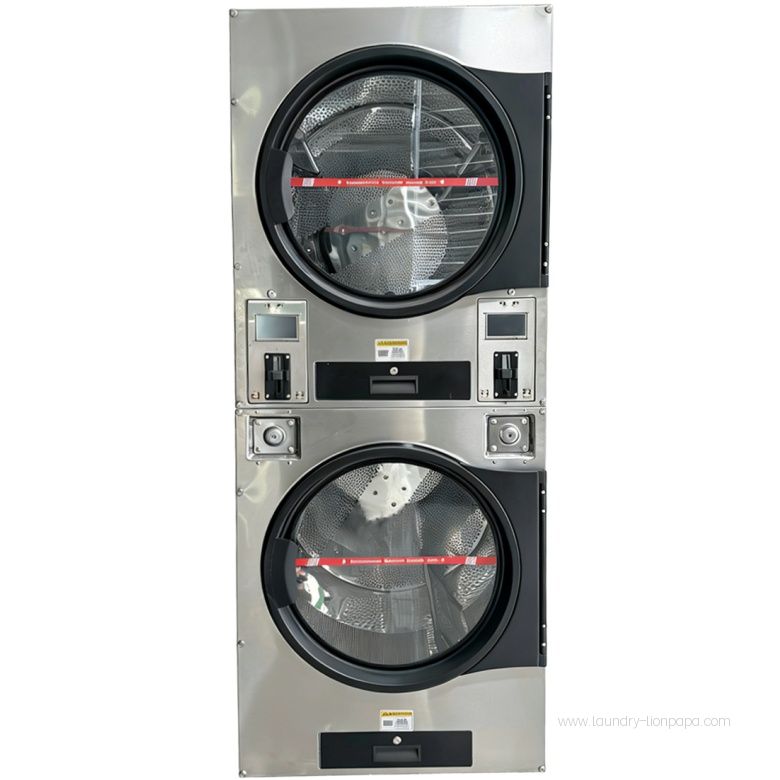
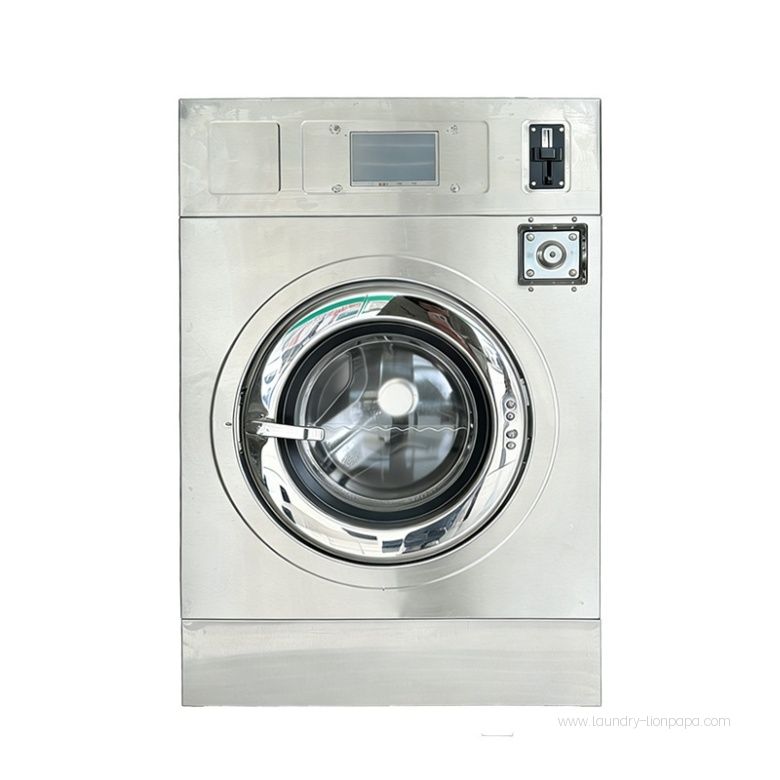
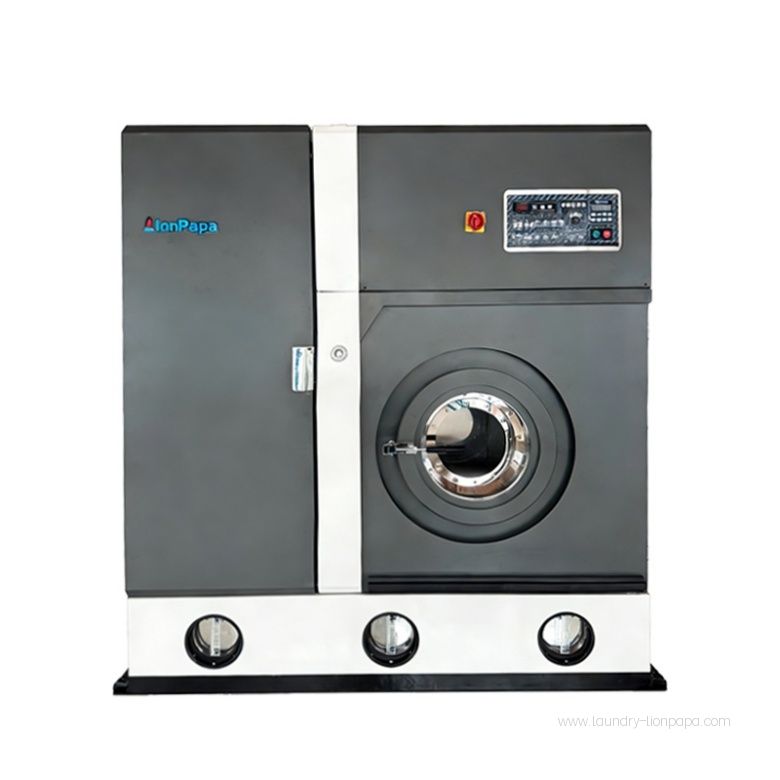
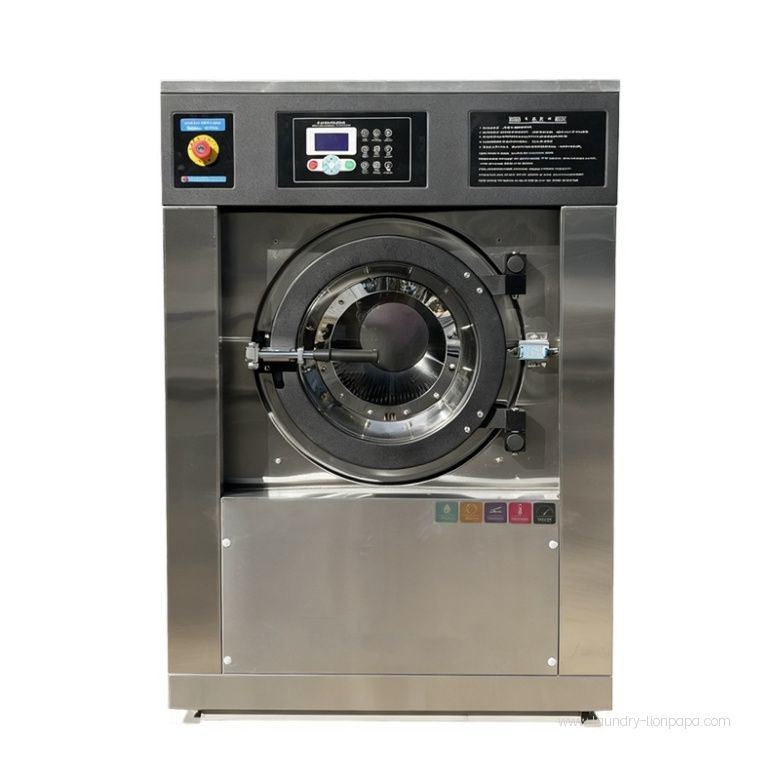
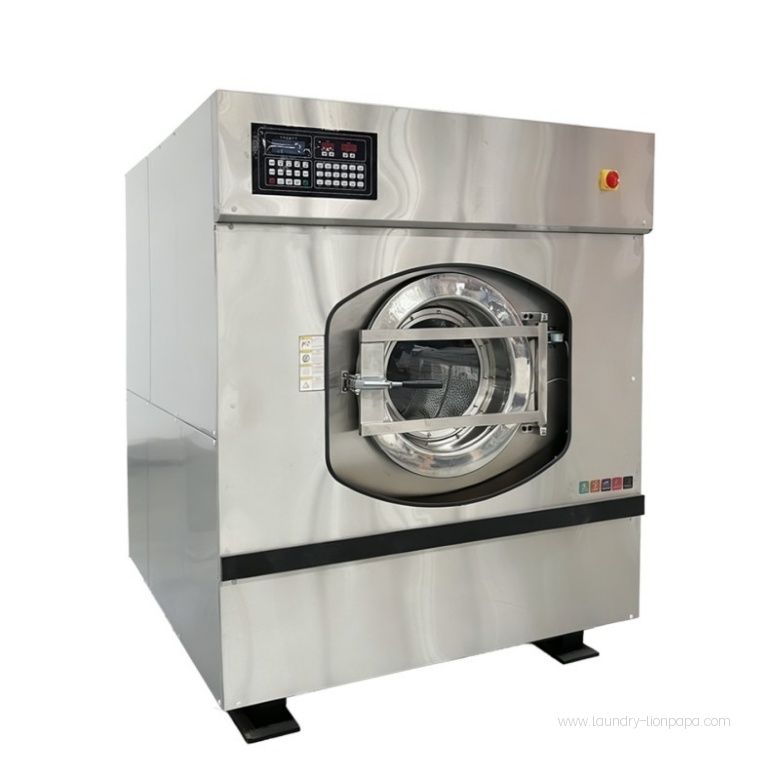
Standardized hierarchical maintenance is the key to extending the service life of coin-operated laundry equipment. Commercial machines operate continuously with high load, and minor neglected problems will evolve into major faults affecting revenue. Formulating daily, weekly, and monthly maintenance systems realizes preventive protection and reduces operational risks.
Daily Inspection and Cleaning Standards
Clean machine surface, door seal, and operation panel daily to remove lint, stains, and water stains and maintain hygiene.
Check payment components including coin slots, card readers, and QR modules to clear foreign objects and ensure sensitive recognition.
Observe water intake, drainage, and sealing conditions to check for water leakage and blockage.
Listen to running sound abnormalities during peak usage to discover hidden faults in advance.
Weekly Deep Maintenance Work
Thoroughly clean washing machine filters and dryer lint boxes to eliminate blockage and fire hazards.
Inspect water inlet hoses and sealing rings for aging, swelling, and mildew to replace damaged parts in time.
Fasten loose screws and wiring terminals caused by long-term vibration.
Test all washing and drying programs to ensure normal functional output.
Monthly Component Inspection and Lubrication
Lubricate bearings, rotating shafts, and transmission parts to reduce friction loss and abnormal noise.
Inspect belt tightness and wear degree to replace aging and cracked belts in advance.
Comprehensively check internal circuits for aging and virtual connections to eliminate electrical hidden dangers.
Clean drum scale and residual detergent to remove peculiar smell and improve washing hygiene.
Seasonal Adaptive Maintenance
Humid seasons strengthen dehumidification and rust prevention of metal structures and circuits.
High-temperature seasons focus on motor heat dissipation inspection to avoid overheating protection shutdown.
Cold seasons check pipeline antifreeze and water residue cleaning to prevent pipeline blockage and cracking.
Annual Comprehensive Overhaul Specifications
Professional technicians disassemble and inspect core components to uate overall equipment performance.
Uniformly replace severely worn vulnerable parts to restore optimal operating state.
Calibrate operating parameters such as water volume, temperature, and time to ensure stable cycle quality.
Maintenance Record and File Management
Establish independent equipment maintenance files to record each inspection, cleaning, and replacement content.
Summarize fault rules to form targeted maintenance plans and reduce repeated faults.