Successful laundromat operation relies on accurate full-cycle cost budgeting. Many investors only focus on equipment procurement costs while ignoring hidden expenses in installation, operation, maintenance, and site transformation. Comprehensive cost analysis helps investors formulate reasonable budget plans and avoid investment risks.
One-Time Initial Investment Cost
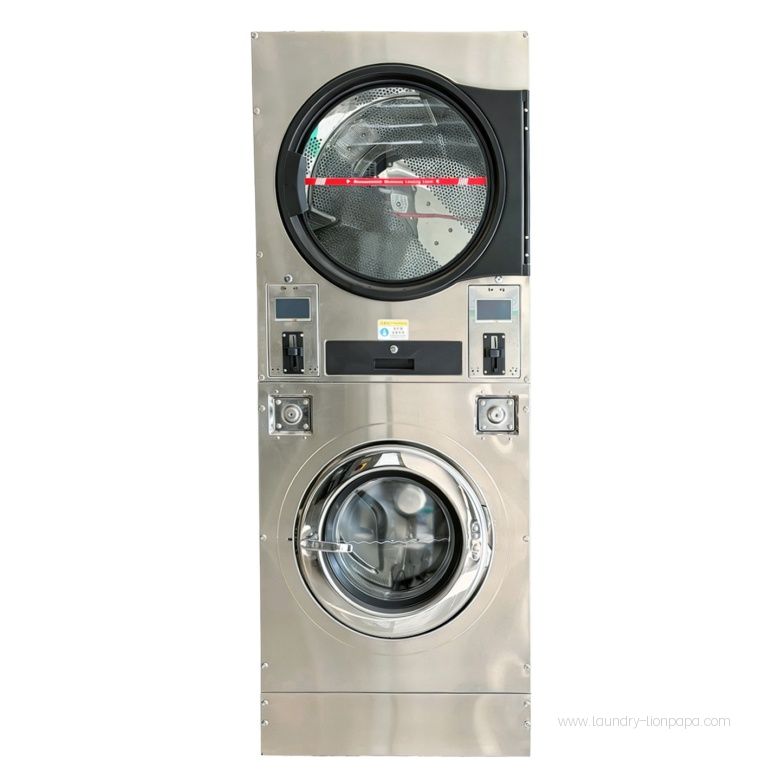
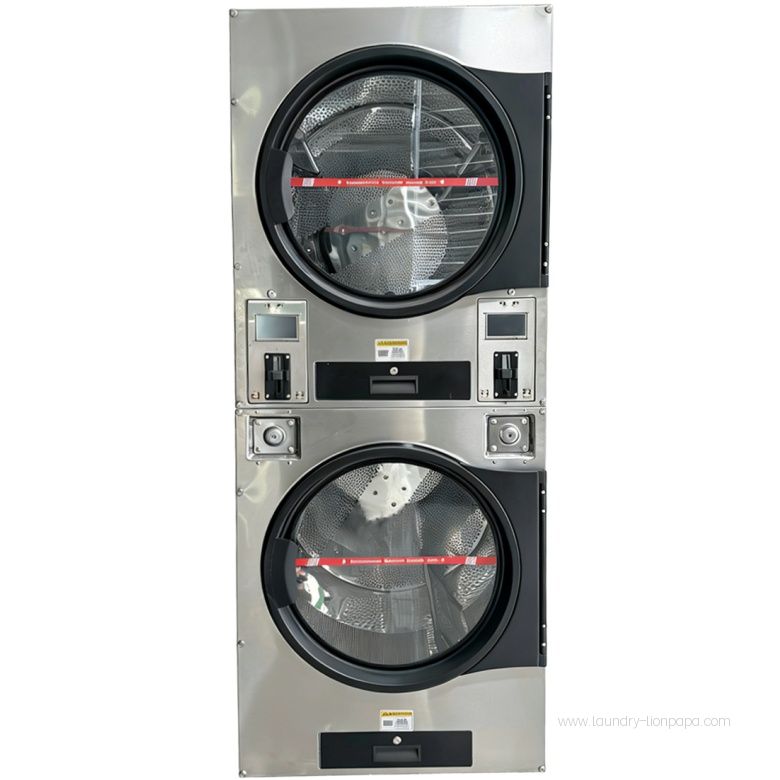
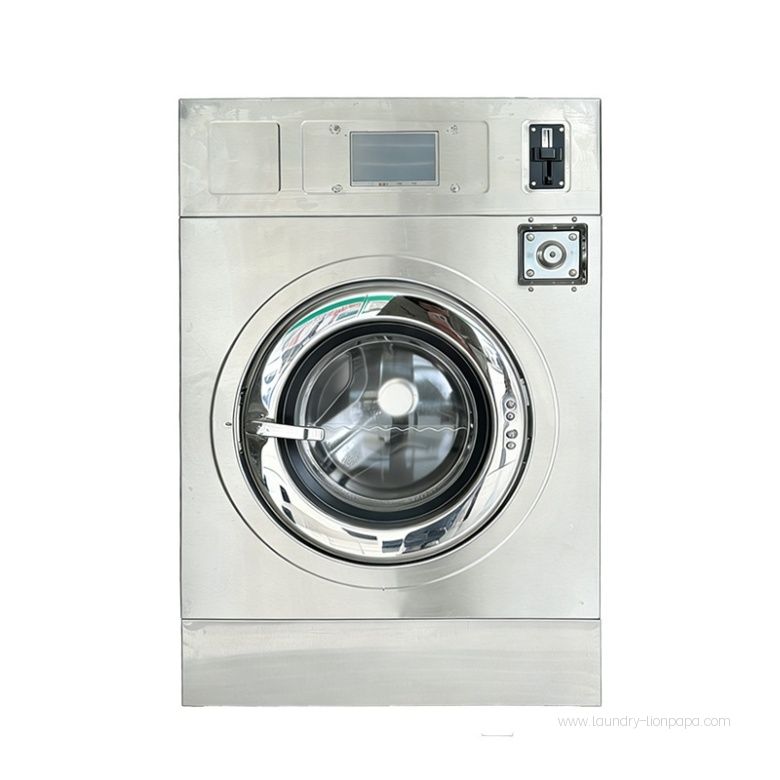
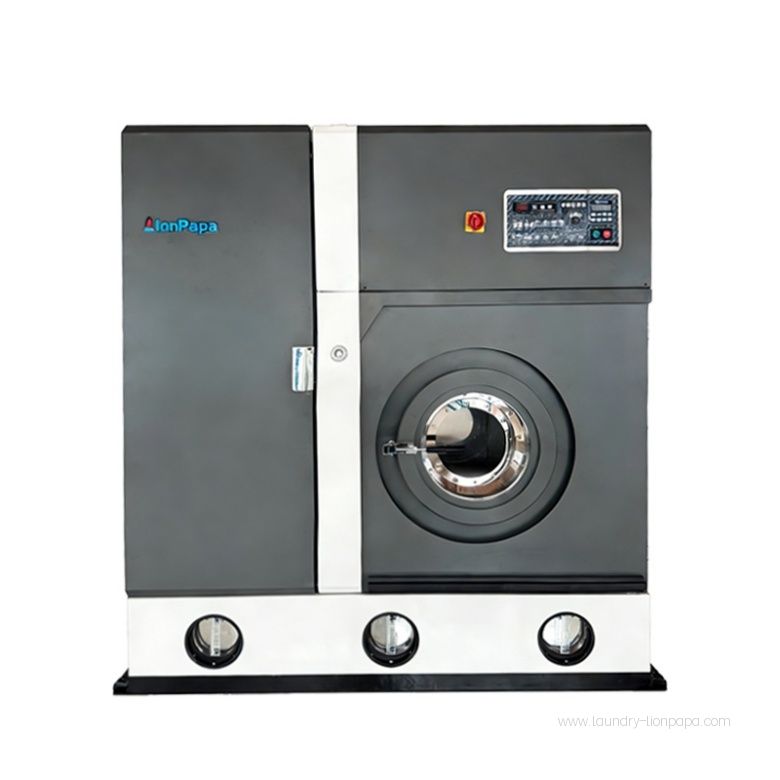
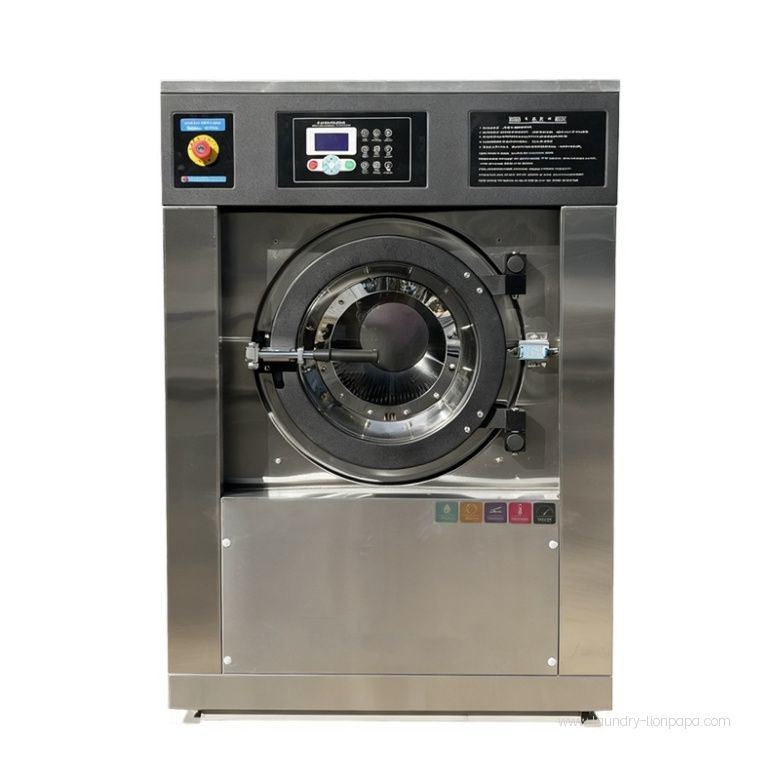
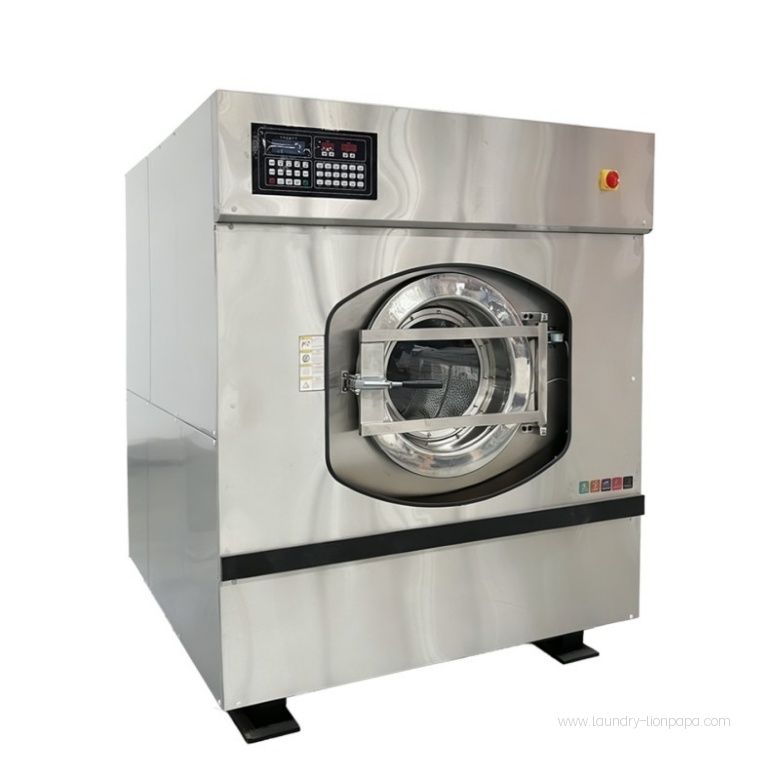
Equipment procurement cost is the core expenditure, including washers, dryers, payment systems, and auxiliary equipment. Different capacities and grades form differentiated price gradients.
Site renovation cost includes ground leveling, waterproof treatment, ventilation transformation, and power capacity expansion. Laundry rooms require high power, water, and ventilation standards.
Installation and debugging cost covers equipment handling, positioning, pipeline connection, circuit transformation, and system debugging to ensure compliance with commercial operation standards.
Initial preparation costs include store signage, prompt signs, waiting area facilities, and initial cleaning and disinfection supplies.
Daily Operating Recurring Costs
Utility cost is the largest daily expenditure, including water, electricity, and gas fees. Dryer heating and washer water intake form continuous resource consumption.
Site rent and property fees are fixed monthly costs, directly affecting gross profit margins.
Consumable costs include regular replacement of filter screens, sealing rings, and cleaning and disinfection materials.
Platform service fees and network fees are necessary expenditures for intelligent payment and remote management systems.
Maintenance and After-Sales Costs
Daily maintenance cost includes regular cleaning, lubrication, and inspection labor costs and material costs.
Fault repair cost covers emergency maintenance and parts replacement expenses caused by equipment aging and user misoperation.
Annual professional overhaul cost ensures long-term stable operation of equipment and avoids major failure losses.
Labor and Management Costs
Fully unattended stores reduce manual costs but require regular on-site inspection and cleaning management.
Semi-automatic operation stores need part-time staff to guide users, sort sundries, and handle customer problems.
Chain stores need unified operation management costs including data statistics, customer service, and brand maintenance.
Hidden Risk Costs
Equipment downtime loss is invisible cost caused by sudden faults affecting revenue.
Customer complaint handling and reputation maintenance costs ensure long-term stable store operation.
Seasonal peak and off-peak fluctuation risks affect annual average profit level.
Revenue and Payback Cycle Analysis
Machine utilization rate determines core revenue. High-peak turnover and stable off-peak usage form balanced income.
Reasonable pricing strategy improves unit profit without losing customer flow.
Standardized cost control shortens investment payback period and improves asset turnover efficiency.
Cost Control Optimization Strategies
Select energy-saving high-efficiency equipment to reduce long-term utility consumption.
Adopt modular payment transformation to avoid repeated equipment renewal costs.
Establish standardized maintenance systems to reduce failure rates and repair costs.
Budget Decision Guidelines
Small investors prioritize cost-effective entry-level configurations to control initial investment risks.
Long-term operation investors choose high-quality durable equipment to reduce later replacement frequency.