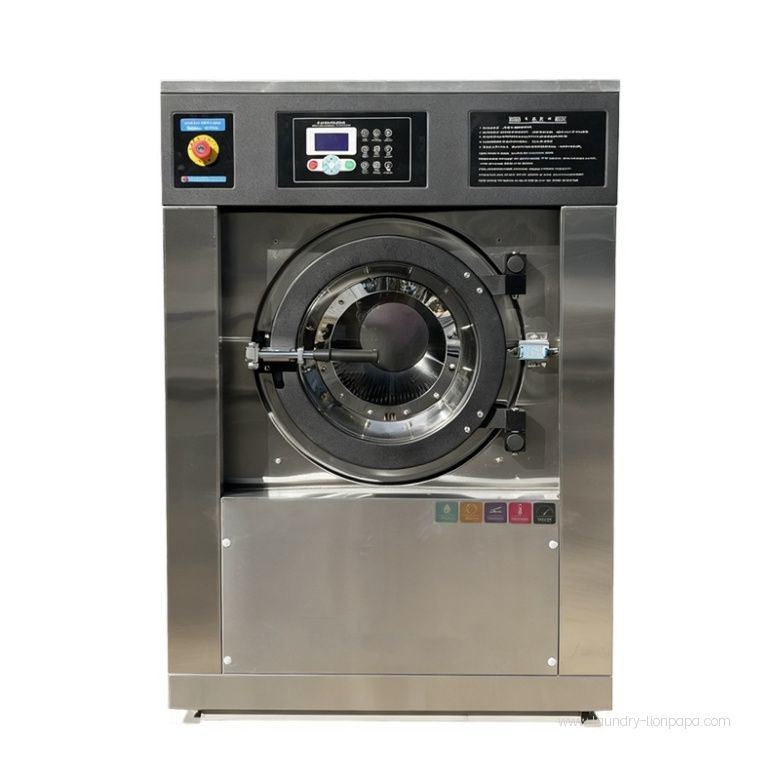
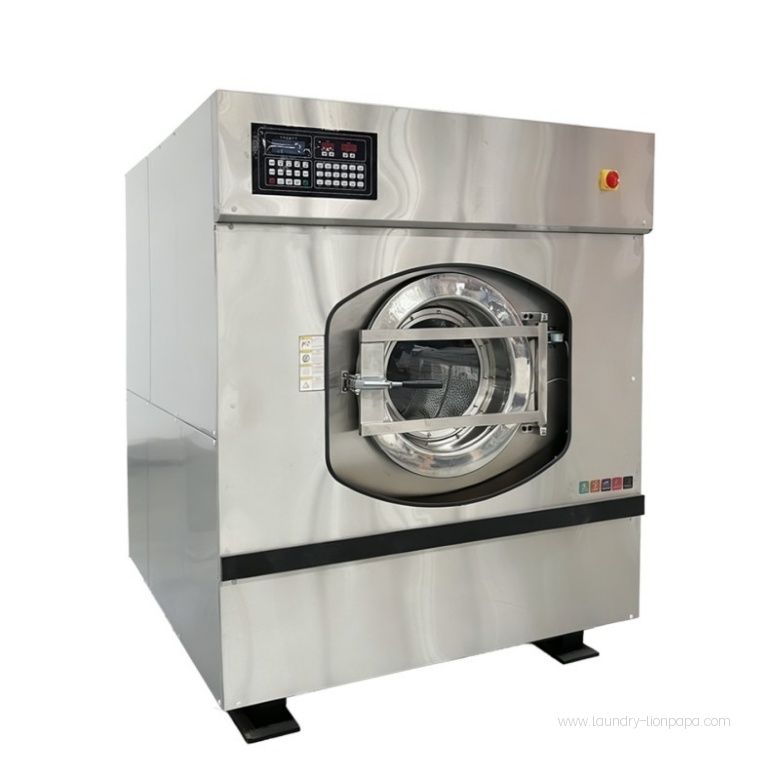
Capacity planning and scientific load optimization are core foundations for profitable laundromat operation. Proper load matching improves cleaning results, reduces equipment wear, and optimizes utility consumption. Operators who understand capacity classification and load control can avoid overloading, underloading, and inefficient operation to maximize long-term revenue stability.
Commercial Capacity Classification Standards
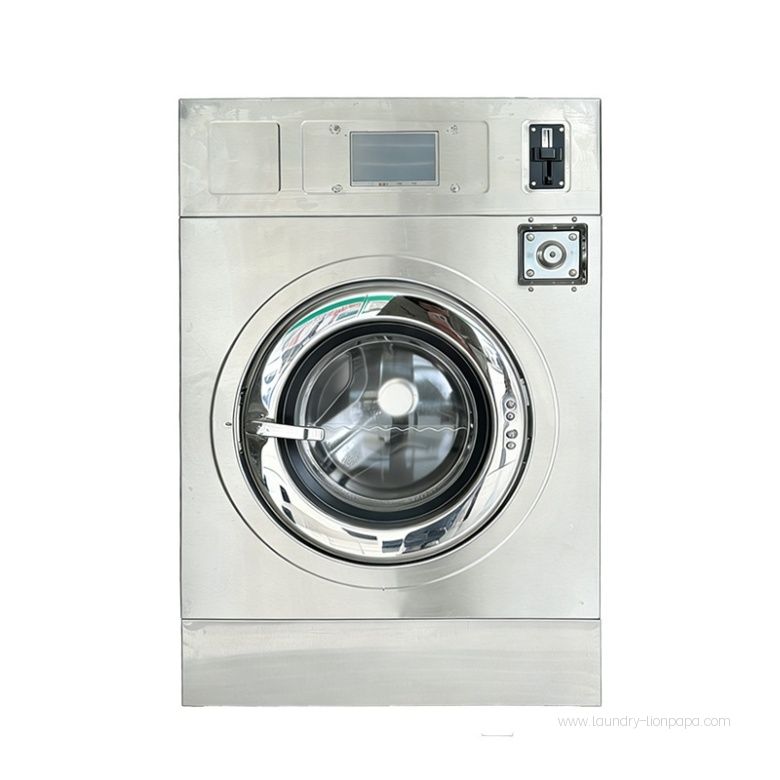
Coin-operated laundry equipment is categorized by rated load capacity, covering small, medium, large, and heavy-duty models. Each capacity grade corresponds to specific drum volume, motor power, water intake, and cycle parameters. Residential machines feature inconsistent load tolerance, while commercial coin-op units are engineered for fixed rated capacity to ensure stable performance under public continuous operation.
Rated capacity refers to the maximum dry textile weight allowed per cycle. Overloading compresses fabrics, reduces washing friction, and leaves residual dirt and detergent. Underloading wastes water, electricity, and running cycles, lowering overall operational efficiency.
Different capacity models target distinct business scenarios. Small-capacity units suit dormitories and small apartment laundry rooms, while large-capacity machines serve commercial laundromats, staff quarters, and institutional laundry facilities.
Factors Affecting Actual Load Performance
Fabric type directly affects effective load volume. Thick towels, jeans, and bedding occupy larger drum space with heavier unit weight, while thin garments allow higher load density. Operators must adjust actual loading standards based on mainstream customer clothing types.
Moisture content also influences load balance. Pre-wetted textiles increase actual weight and may trigger unbalanced protection, causing machine pause and spin failure. Dry-load rated standards ensure consistent operational stability.
Cycle mode selection changes load adaptability. Quick wash, heavy-duty wash, and delicate cycles have different water levels and mechanical actions, requiring corresponding load adjustments to balance cleaning quality and machine safety.
Site Layout and Capacity Combination Strategy
Single-capacity configuration cannot meet diverse customer demands. Mature laundromats adopt mixed-capacity combinations to cover personal daily washing, family bulk washing, and large bedding cleaning needs.
Small-capacity machines reduce customer waiting time for daily lightweight loads, improving turnover rate during peak hours. Large-capacity units undertake bulk bedding and uniform washing to enhance single-cycle profit margins.
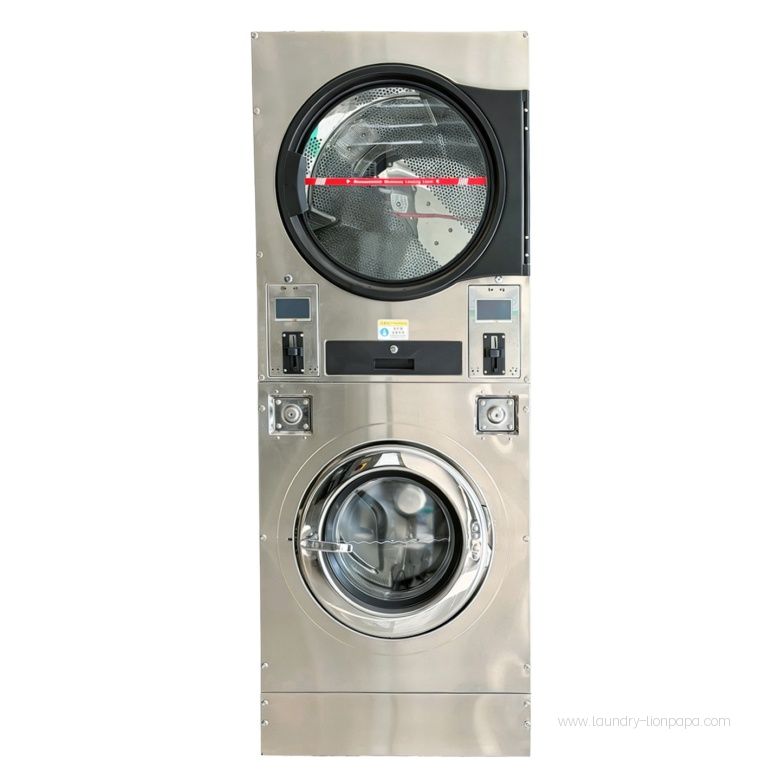
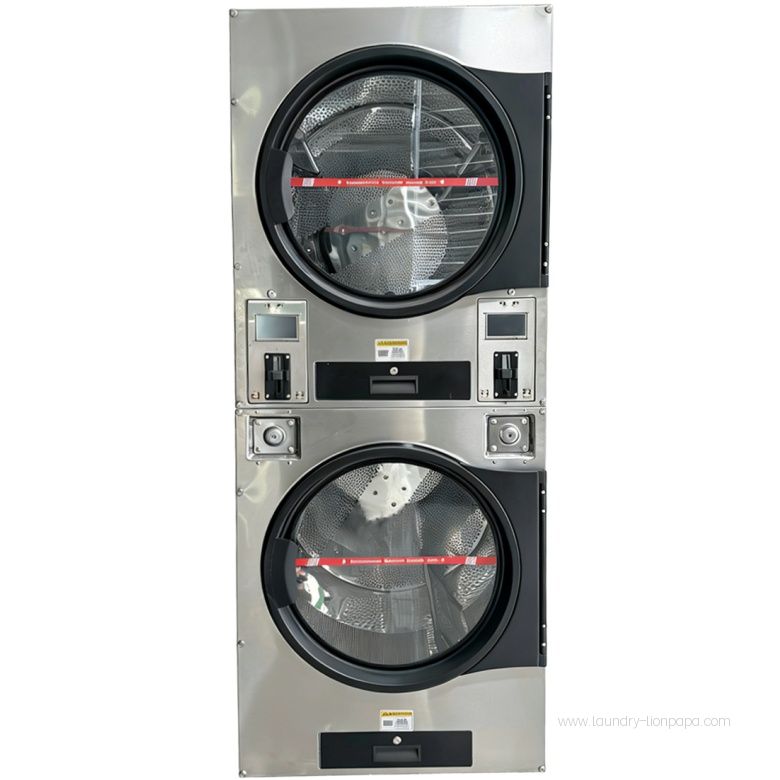
Space constraints determine combination ratios. Compact venues prioritize stacked medium-capacity units, while large open laundromats deploy gradient capacity layouts to optimize customer diversion and machine utilization.
Overload Risks and Equipment Damage Mechanisms
Long-term overloading accelerates fatigue wear of shock absorption systems, bearings, and suspension structures. Commercial coin machines rely on stable suspension balance; frequent overloads cause drum eccentricity, vibration amplification, and structural deformation.
Overloaded cycles lead to incomplete rinsing and residual detergent, triggering customer complaints about clothing odor and skin irritation. Continuous substandard washing reduces store reputation and repeat customer rates.
High vibration caused by overload increases electrical load, raising motor temperature and accelerating circuit aging, which significantly elevates failure probability and maintenance costs.
Underload Waste and Operational Loss Analysis
Long-term underload operation causes excessive water and electricity consumption per kilogram of laundry. Fixed water intake and heating cycles lead to serious resource waste and reduced profit margins per cycle.
Low load rate reduces machine turnover efficiency. Idle cycle resources cannot be converted into revenue, resulting in low asset utilization and extended investment payback periods.
Unreasonable load habits also affect customer perception. High unit prices for small loads may cause users to switch to competing laundry facilities.
Scientific Load Operation Standards
Standard loading follows the three-quarter drum filling principle. Leave sufficient space for fabric turnover and friction to ensure uniform cleaning and rinsing effects.
Classified loading separates heavy and light fabrics, avoiding unbalanced rotation caused by centralized stacking of heavy items. Mixed-load classification improves spin drying efficiency and reduces vibration noise.
Peak-hour load guidance optimizes resource allocation. Post clear loading guidelines to standardize user behavior and reduce machine failure rates caused by improper operation.
Cost-Benefit of Load Optimization
Standardized load operation reduces failure frequency and extends equipment service life, lowering long-term maintenance and replacement costs.
Optimized load matching improves energy and water utilization efficiency, reducing average utility costs per cycle and enhancing net profit margins.
Stable washing quality improves customer satisfaction and repeat visits, forming sustainable operational revenue growth.
Intelligent Load Sensing Technology Trends
New-generation coin-operated machines adopt automatic load sensing systems. The equipment identifies actual fabric weight and automatically adjusts water level, washing time, and spin parameters to achieve adaptive energy-saving operation.
Intelligent balance correction technology dynamically adjusts drum rotation deviation, effectively solving vibration and shutdown problems caused by unbalanced loads.
Cloud data statistics record load usage habits, helping operators optimize equipment capacity ratios and pricing strategies.
Decision Guidelines for Operators
Match capacity combinations according to venue positioning and customer groups. Student and apartment scenarios prioritize small and medium capacities; commercial laundromats configure full gradient capacity coverage.
Establish standardized loading prompts and on-site management rules to reduce equipment loss caused by irregular user operation.
Adopt intelligent sensing equipment preferentially for long-term operation to realize automatic load optimization and reduce manual management costs.