
+86 131 2258 8040
Phone / WhatsApp / WeChat
Effective pricing strategies balance revenue generation with customer attraction and retention. Understanding pricing principles enables operators to optimize revenue while maintaining competitive positioning in local markets.
Understanding Price Sensitivity
Customer price sensitivity varies by market segment. Budget-conscious customers seek the lowest prices available. Convenience-oriented customers may pay premium prices for better service or location. Understanding your target customers informs pricing decisions.
Price elasticity affects revenue response to price changes. Some markets are highly elastic, where small price increases significantly reduce volume. Other markets are inelastic, where price changes have limited effect on volume. Understanding elasticity enables optimal pricing.
Competitive pricing analysis informs positioning. Comparing your prices with nearby laundromats reveals market norms. Significantly higher prices must be justified by superior service or amenities. Lower prices may attract customers but reduce margins.
Base Pricing Considerations
Cost recovery ensures profitable operation. Prices must cover utilities, maintenance, labor, rent, and equipment depreciation. Detailed cost analysis establishes minimum viable pricing.
Equipment cost recovery affects pricing. Higher-cost equipment may require higher prices to achieve return on investment. Premium equipment can justify premium pricing if customers perceive value.
Local economic conditions affect pricing power. Affluent areas may support higher prices. Economic challenges may require more competitive pricing. Local conditions inform appropriate pricing levels.
Differentiated Pricing by Machine Type
Larger capacity machines warrant higher prices. More capacity provides convenience value for customers with bulky items. Premium pricing for large machines captures this value.
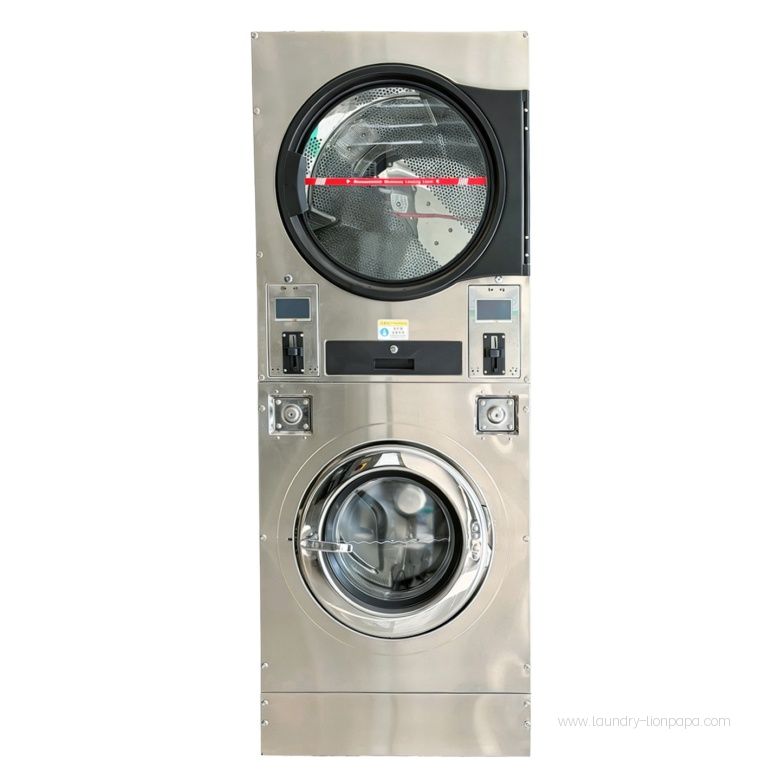
Stack washer-dryer combinations may command premium prices. The convenience of direct wash-to-dry transition has value. Customers willing to pay for convenience support premium pricing.
Specialty equipment justifies higher prices. Machines with special features such as allergen removal or extra sanitation offer differentiated value. Premium pricing reflects these capabilities.
Time-Based Pricing Strategies
Peak period pricing can moderate demand. Higher prices during busy periods may shift some usage to off-peak times. This approach improves utilization balance across operating hours.
Off-peak discounts attract customers during slow periods. Lower prices during traditionally slow times may increase volume. This approach improves revenue during underutilized periods.
Weekend versus weekday pricing reflects demand patterns. Weekend demand is typically higher, potentially justifying higher prices. Some markets may support weekend premium pricing.
Cycle-Based Pricing
Multiple cycle options at different price points serve diverse needs. Basic cycles at lower prices serve budget customers. Premium cycles with enhanced features command higher prices.
Cycle differentiation requires clear customer communication. Customers must understand differences between cycle options. Clear signage and explanations prevent confusion.
Feature-based pricing captures value from advanced capabilities. Cycles with higher temperatures, longer times, or special features provide extra value. Pricing should reflect this value.
Payment Method Pricing
Cash versus electronic payment pricing may differ. Electronic payment convenience may justify small premiums. Alternatively, cash discounts may encourage coin usage.
Loyalty pricing rewards frequent customers. Discounted prices for registered users encourage repeat business. Programs that track usage enable loyalty pricing.
Bulk pricing may serve commercial customers. Businesses with regular laundry needs may receive discounted rates. Volume commitments support special pricing.
Competitive Positioning
Price leadership positions as the low-cost option. Lower prices attract budget-conscious customers. Volume must be sufficient to offset lower margins.
Value leadership positions as the quality option. Higher prices reflect superior equipment, cleanliness, or amenities. Quality differentiation justifies premium pricing.
Middle positioning balances price and quality. Moderate prices with adequate service appeal to mainstream customers. This approach may attract the largest customer segment.
Revenue Optimization
Understanding the relationship between price, volume, and revenue enables optimization. Higher prices may reduce volume but increase total revenue if price increase exceeds volume decrease. Analysis of this relationship informs optimal pricing.
Contribution margin analysis reveals profitability by machine type. Some machines may have higher margins despite lower revenue per cycle. Understanding contribution informs equipment mix decisions.
Revenue per square foot measures facility productivity. This metric enables comparison across facilities and informs capacity decisions. Optimizing revenue per square foot requires balancing pricing and utilization.
Customer Communication
Clear pricing displays prevent confusion. Posted prices should be visible and unambiguous. Customers should not be surprised by costs after using equipment.
Explaining price differences adds value perception. When some machines cost more than others, explanation of the differences helps customers understand value. This understanding supports acceptance of differentiated pricing.
Signage and communication materials reinforce value. Clean facilities, good equipment, and pleasant environment support pricing. Marketing materials communicate the value proposition.
Pricing Adjustments
Regular price reviews ensure alignment with costs and market. Changing costs may require price adjustments. Periodic review prevents erosion of margins.
Price increase communication requires care. Customers may resist price increases. Explaining reasons and timing increases thoughtfully reduces negative reaction.
Market changes may require pricing response. New competitors, economic shifts, or changing costs may necessitate price adjustments. Responsive pricing maintains competitive position.