
+86 131 2258 8040
Phone / WhatsApp / WeChat
Drum construction quality significantly affects washing machine durability, performance, and maintenance requirements. Understanding drum materials and construction enables operators to uate equipment quality and longevity.
Stainless Steel Drums
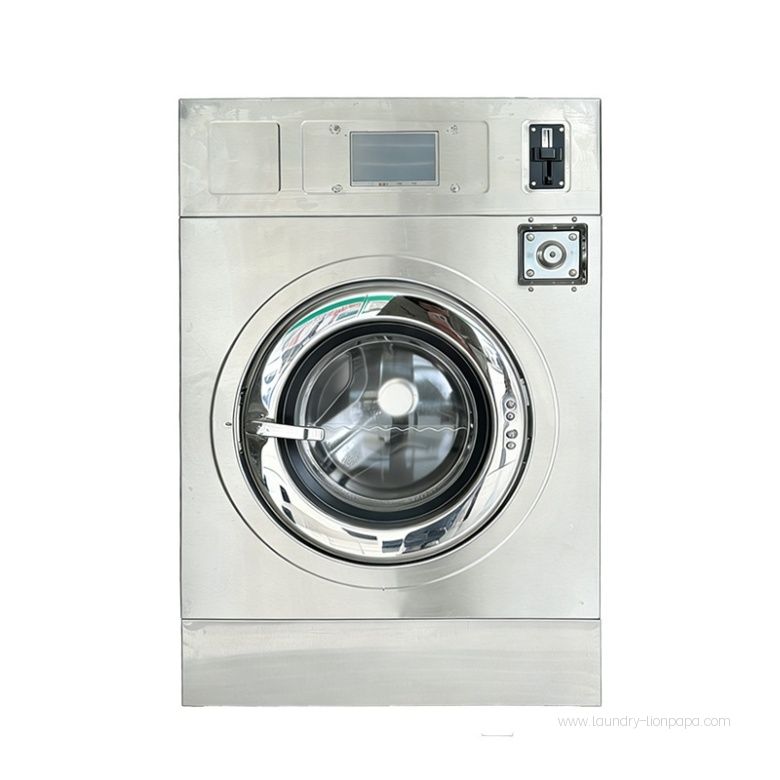
Stainless steel is the standard material for commercial washing machine drums. This material provides excellent corrosion resistance in the wet, chemically active environment inside washing machines. Quality stainless drums last the life of the equipment with minimal maintenance.
Stainless steel grade affects durability. Higher grades with more chromium and nickel provide better corrosion resistance. Premium equipment may specify marine-grade stainless steel for superior durability.
Drum thickness affects dent and wear resistance. Thicker drums withstand impact from hard objects and resist wear from abrasion. Commercial drums are typically thicker than residential drums to handle heavier use.
Drum Surface Finish
Smooth surfaces protect fabrics from snagging. Well-finished drums with polished surfaces treat laundry gently. Rough surfaces can damage fabrics during agitation.
Perforation design affects water flow and extraction. Hole patterns balance water circulation with structural strength. Optimized perforation improves washing performance and water removal.
Surface treatments may enhance performance. Some manufacturers apply special coatings that reduce friction or improve cleaning. These treatments can differentiate premium equipment.
Drum Structural Design
Rib patterns create agitation during washing. Raised ribs on the drum interior lift and drop laundry during rotation. Rib design affects washing action and cleaning effectiveness.
Structural reinforcement prevents deformation under load. Drums must maintain shape under the weight of wet laundry and high-speed extraction. Reinforcement design affects durability and vibration.
Drum capacity efficiency affects usable volume. The ratio of drum volume to external dimensions affects how much laundry fits. Efficient designs maximize capacity within equipment footprint.
Welding and Assembly Quality
Weld quality affects structural integrity. Properly executed welds provide strength equal to or greater than base metal. Poor welds create weak points that may fail under stress.
Seam design affects durability. Continuous welds provide better sealing than spot welds. Smooth seams prevent snagging and are easier to clean.
Quality control during manufacturing ensures consistent quality. Reputable manufacturers inspect welds and assemblies during production. Poor quality control results in inconsistent product quality.
Corrosion Resistance
Stainless steel resists corrosion but is not immune. Chlorides in detergents and water can cause pitting and corrosion over time. Higher-grade stainless provides better resistance.
Water quality affects corrosion rate. Hard water, high mineral content, and some water treatment chemicals accelerate corrosion. Equipment in areas with problematic water may require more frequent drum inspection.
Cleaning practices affect drum condition. Harsh chemicals or abrasive cleaning can damage drum surfaces. Proper cleaning maintains drum integrity.
Drum Support Systems
Spider arms support the drum from the rear. These structural components must be strong enough to handle drum weight and dynamic forces during operation. Spider arm design affects drum stability.
Shaft quality affects drum operation. The drum shaft transmits drive force and must be precisely machined. Shaft quality affects alignment and bearing life.
Attachment methods affect structural integrity. How the drum attaches to the support system affects durability. Robust attachment prevents loosening and failure over time.
Inspection and Maintenance
Regular inspection identifies developing problems. Visual inspection of drum interior surfaces, welds, and perforations catches issues early. Inspection during maintenance prevents unexpected failures.
Cleaning prevents residue buildup. Detergent and fabric softener can accumulate on drum surfaces. Regular cleaning maintains drum condition and prevents odors.
Foreign object removal prevents damage. Objects left in pockets can damage drums during operation. Prompt removal of foreign objects prevents drum damage.
Durability Expectations
Commercial drums should last equipment life under normal conditions. Quality drums operate for 15-20 years without major problems. Premature drum problems indicate either manufacturing defects or abnormal operating conditions.
Warranty coverage indicates manufacturer confidence. Longer drum warranties suggest quality construction. Understanding warranty terms and exclusions informs equipment uation.
Total cost of ownership includes drum-related costs. Equipment with high-quality drums may have higher purchase prices but lower lifetime costs. Considering drum quality in equipment selection affects long-term economics.