
+86 131 2258 8040
Phone / WhatsApp / WeChat
Athletic facilities require laundry solutions for towels, uniforms, and member convenience. Coin-operated laundry equipment serves both facility operations and member needs. Understanding fitness center requirements enables appropriate equipment solutions.
Facility Laundry Needs
Towel service requires substantial laundry capacity. Fitness centers providing towel service must launder large quantities daily. Equipment capacity must match towel volume and service frequency.
Staff uniforms generate regular laundry demand. Uniform maintenance presents professional appearance for facility staff. Regular laundering extends uniform life and maintains quality.
Specialty items such as yoga towels, cleaning cloths, and equipment covers require periodic laundering. Smaller loads may be handled differently than bulk towel laundry. Equipment flexibility accommodates diverse laundry needs.
Member Laundry Services
Some fitness centers offer member laundry services. Members appreciate the ability to wash workout clothes immediately after exercise. This convenience adds value to membership.
Self-service laundry enables members to combine fitness and chores. Busy members appreciate efficient use of time. Laundry facilities that accommodate post-workout needs enhance member experience.
Extended-stay facilities may require member laundry. Some fitness centers include residential components for athletes in training. Laundry facilities serve athletes living at the facility.
Equipment Selection
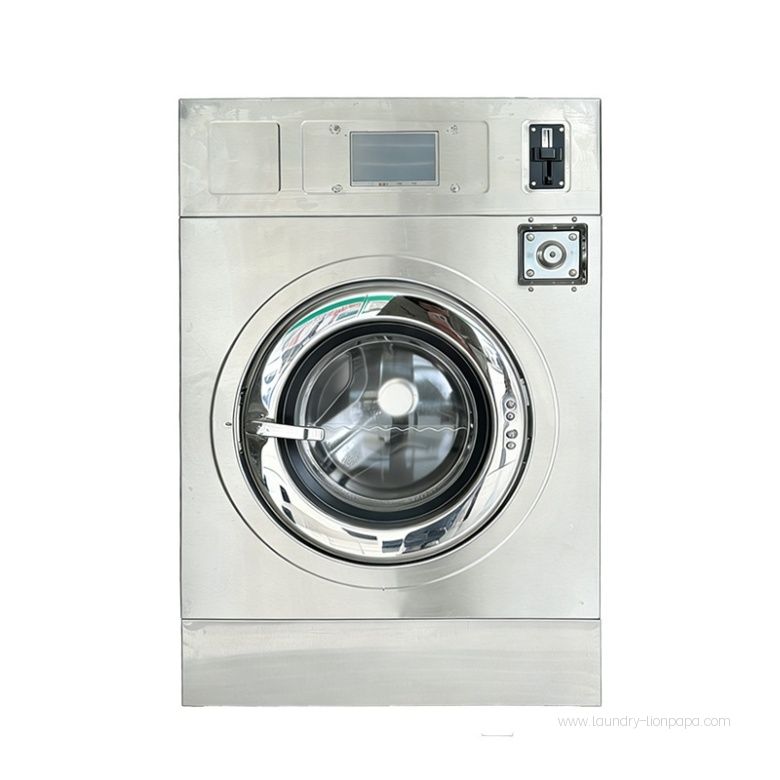
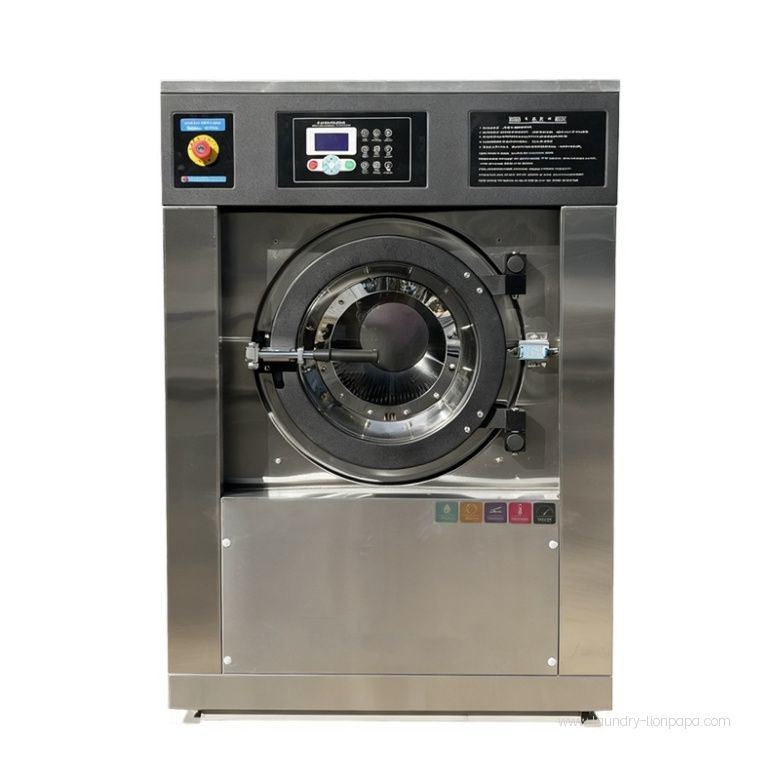
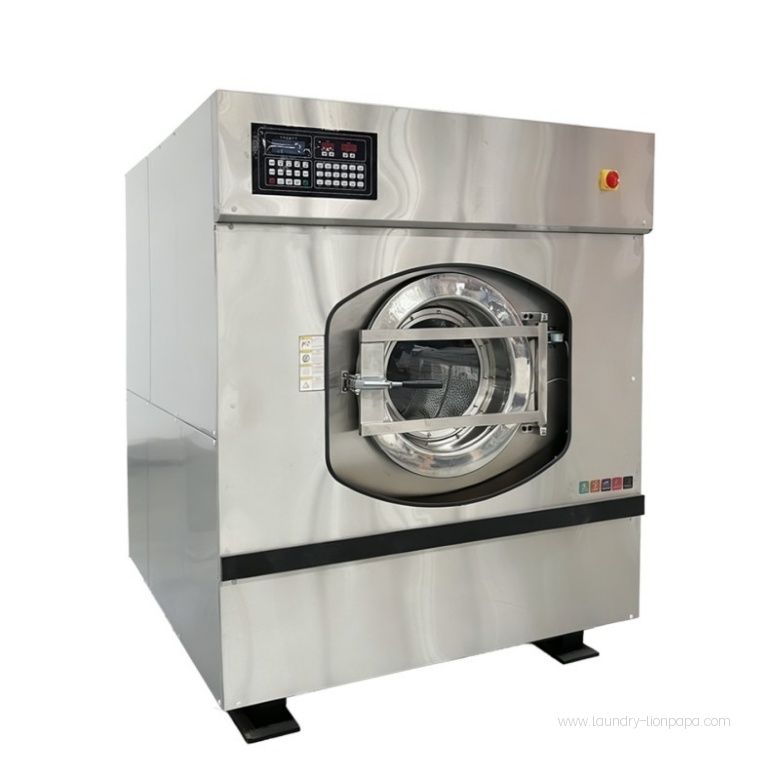
High-capacity machines serve towel laundry needs. Large loads of towels require substantial machine capacity. Commercial-grade equipment designed for institutional use handles heavy demand.
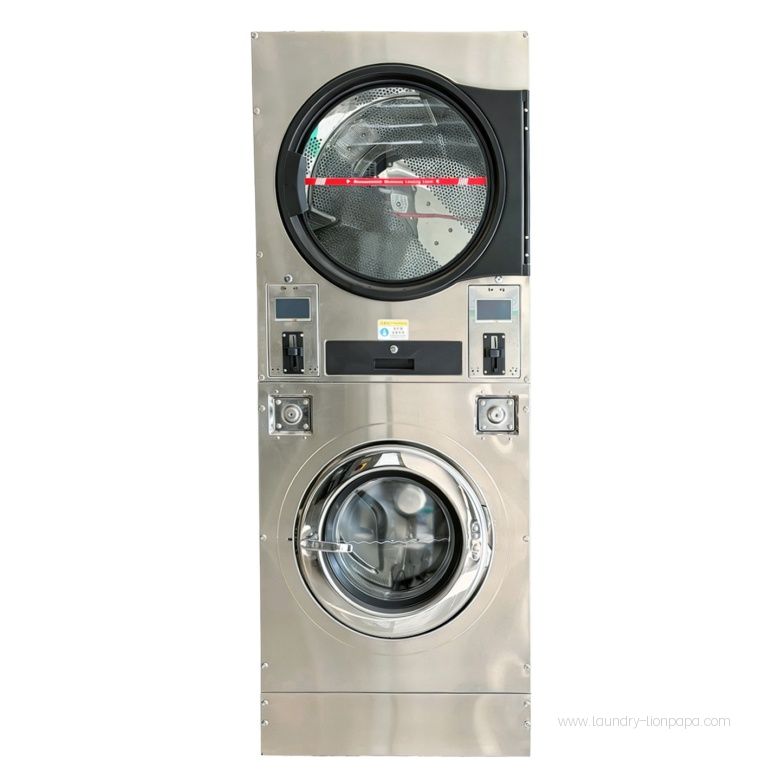
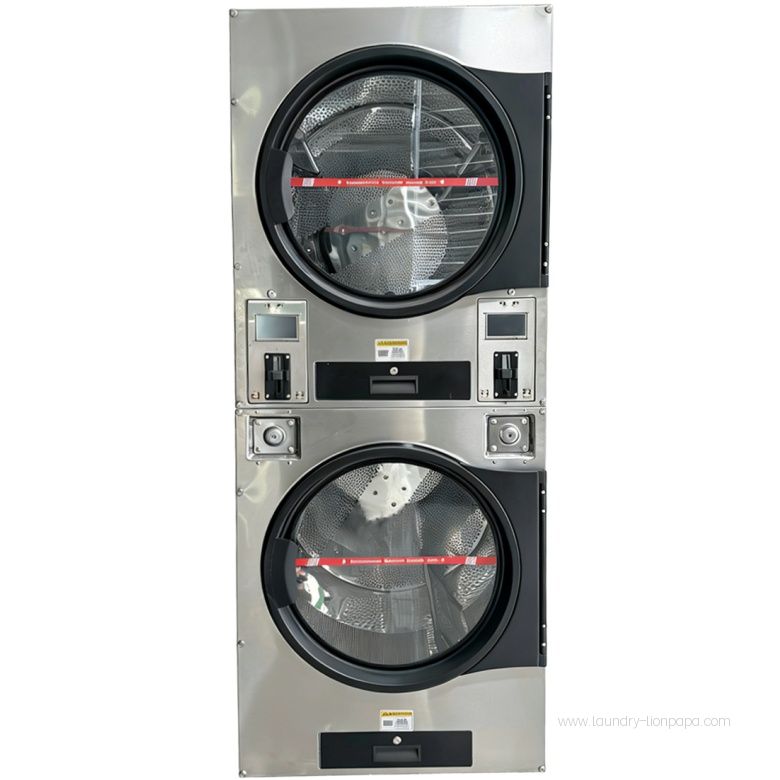
Stack washer-dryer combinations maximize space efficiency. Fitness centers may have limited space for laundry facilities. Compact configurations enable adequate capacity in constrained spaces.
Energy efficiency reduces operating costs. Large laundry volumes consume substantial utilities. Efficient equipment manages costs while supporting operations.
Location and Design
Laundry facilities may be located near locker rooms for member convenience. Access from changing areas enables members to do laundry before or after workouts. Good ventilation prevents moisture and odors from affecting other areas.
Separate areas for facility laundry and member laundry may be appropriate. Facility laundry operations may require dedicated space. Member laundry facilities should be convenient and comfortable.
Noise control prevents disturbance to workouts. Laundry equipment generates noise and vibration. Location should minimize impact on fitness areas and member experience.
Operational Management
Staffing for facility laundry operations varies by center size. Larger facilities may have dedicated laundry staff. Smaller centers may incorporate laundry duties into general maintenance routines.
Scheduling separates facility laundry from member use. Designated times for towel laundry prevent conflict with member laundry. Clear communication of schedules informs members of availability.
Inventory management ensures adequate towel supply. Clean towel availability affects member satisfaction. Laundry capacity must support continuous towel availability during operating hours.
Payment Systems for Member Laundry
Payment options should align with member preferences. Integration with membership systems enables convenient payment. Members may prefer charging laundry to membership accounts.
Coin-operated systems remain viable for facilities without integrated payment. Members can obtain coins from facility services. Simple payment systems reduce complexity.
Premium pricing may be acceptable for convenience. Members value time savings and convenience. Pricing should reflect value while remaining reasonable.
Cost Considerations
Operating costs include utilities, maintenance, and labor. Large laundry volumes create substantial utility costs. Efficient equipment and practices manage costs effectively.
Staff time for laundry operations affects labor costs. Efficient processes reduce staff requirements. Automation and appropriate equipment reduce labor intensity.
Quality towels and equipment represent capital investment. Durable towels withstand frequent laundering. Quality equipment provides reliable service over extended operational life.
Member Satisfaction
Towel service quality affects member experience. Soft, clean towels enhance post-workout comfort. Consistent availability demonstrates facility quality.
Convenient laundry services add membership value. Members appreciate facilities that anticipate their needs. Positive experiences generate member retention and referrals.
Clean, well-maintained facilities reflect overall quality. Laundry facilities visible to members should maintain professional appearance. Equipment cleanliness and functionality affect member perception.
Sustainability Considerations
Water and energy consumption for laundry affects environmental impact. Efficient equipment reduces resource consumption. Some members value facilities with environmental commitment.
Detergent and chemical use affects environmental footprint. Eco-friendly detergents reduce environmental impact. Some facilities market environmental practices to attract sustainability-conscious members.
Towel reuse programs reduce laundry volume. Members choosing to reuse towels reduce environmental impact. Incentives for towel reuse support sustainability goals.
Security and Safety
Towel inventory security prevents losses. Accountability systems track towel movement. Procedures prevent unauthorized removal of facility towels.
Equipment safety protects staff and members. Proper installation and maintenance prevent accidents. Clear safety instructions reduce risk of injury.
Chemical handling for laundry requires proper procedures. Detergents and other chemicals require appropriate storage and use. Staff training on chemical safety prevents accidents.