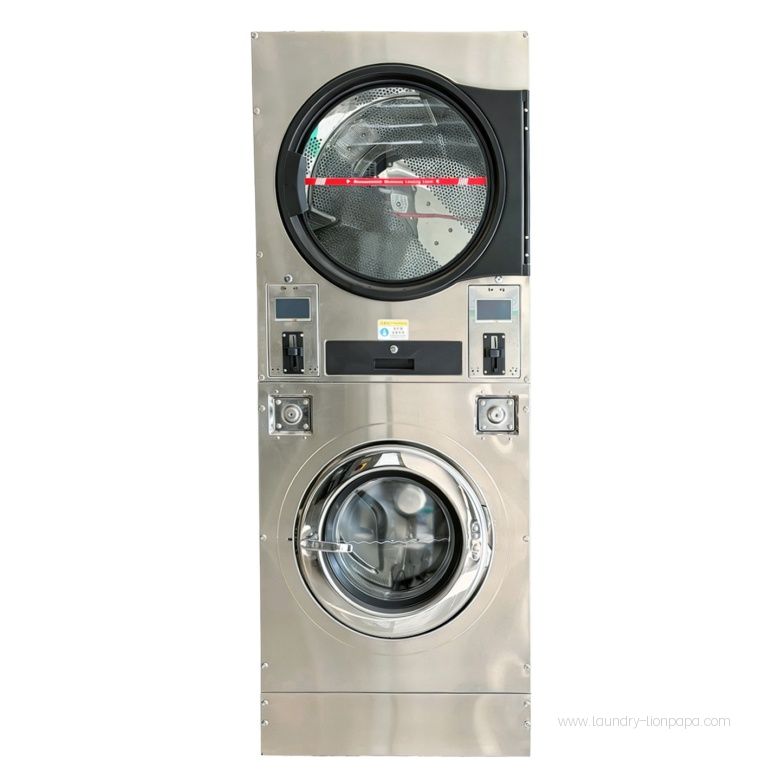
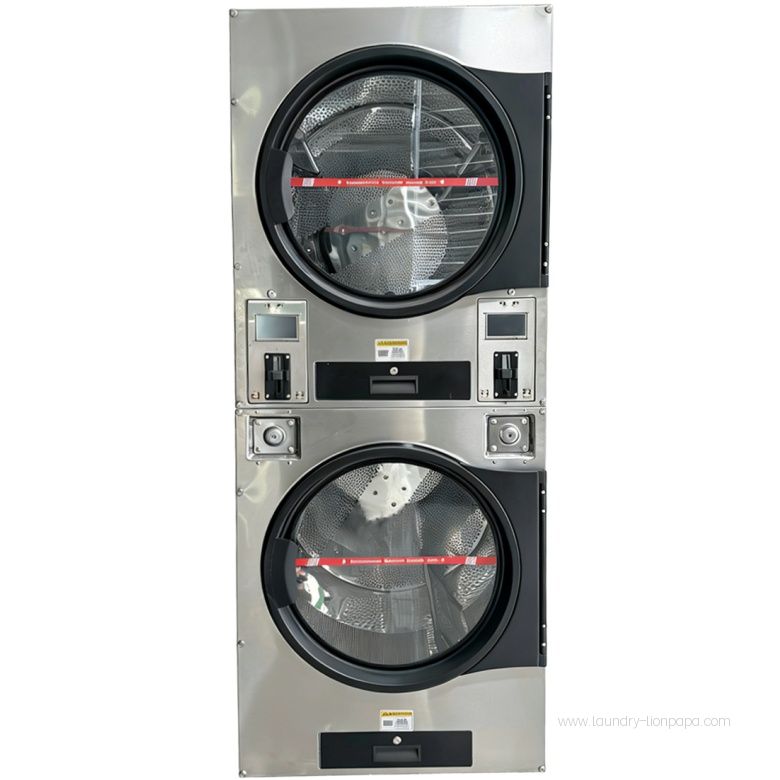
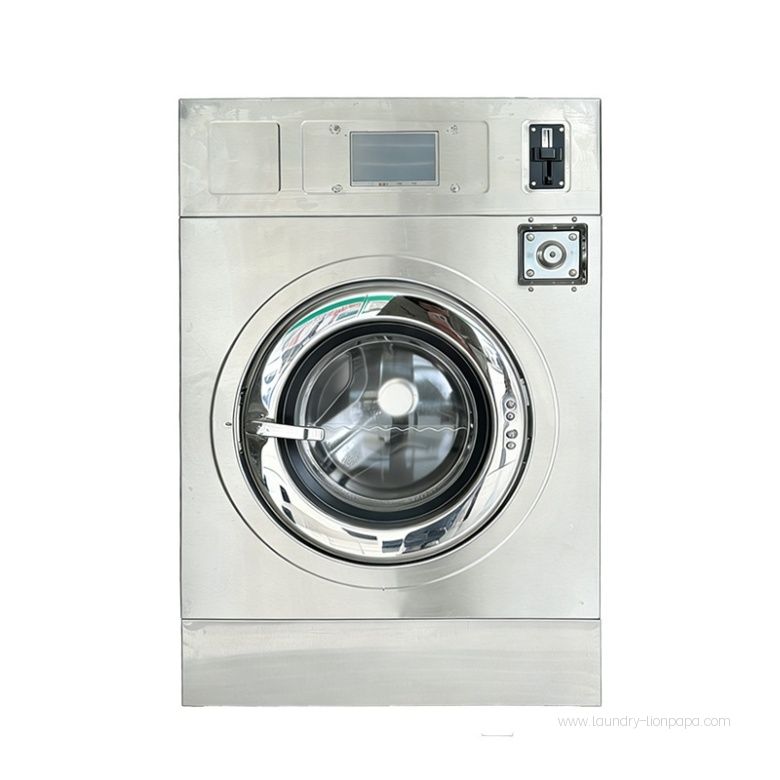
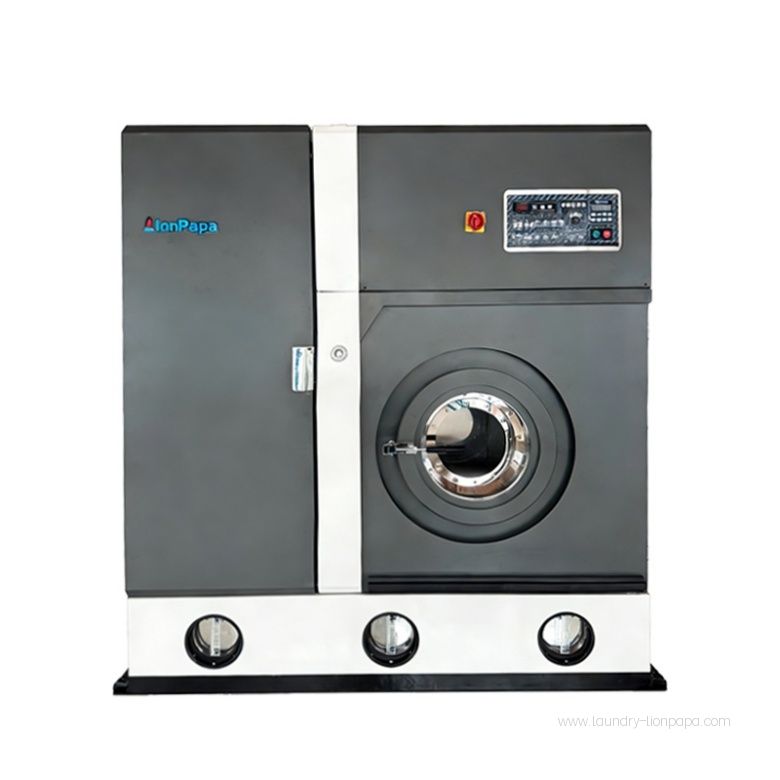
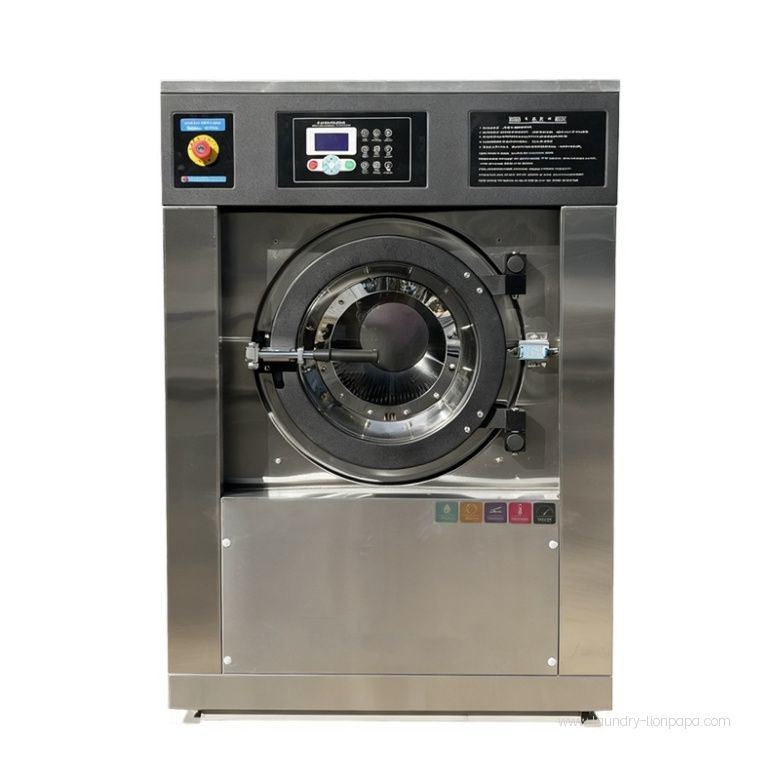
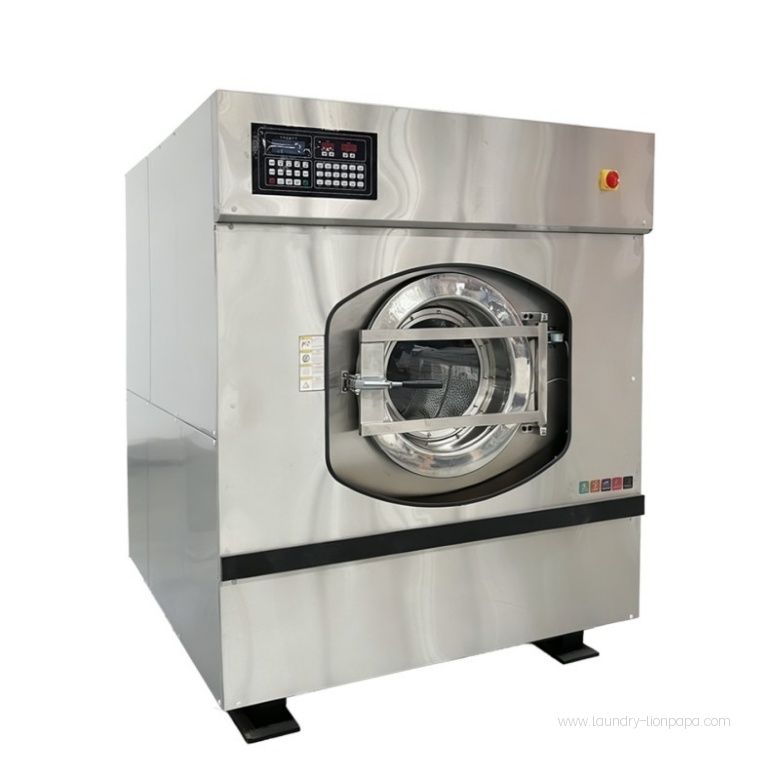
Proper equipment installation ensures reliable operation, customer safety, and regulatory compliance. Professional installation following manufacturer specifications and local codes establishes foundations for successful laundromat operations.
Pre-Installation Planning
Site preparation requirements vary based on equipment specifications and existing facility conditions. Floor load capacity must accommodate equipment weight, particularly for stacked configurations. Structural assessments identify reinforcement needs before equipment delivery.
Utility infrastructure planning ensures adequate electrical, water, and drainage capacity. Electrical panel capacity must handle total equipment load plus growth margin. Water supply lines require adequate pressure and flow rates. Drainage systems must accommodate peak discharge volumes.
Electrical Installation Requirements
Commercial laundry equipment typically requires 220V to 440V electrical service depending on machine capacity and heating configuration. Dedicated circuits for each machine prevent overloading and ensure reliable operation. Proper grounding protects equipment and customer safety.
Electrical installation must comply with local codes and manufacturer specifications. Licensed electricians familiar with commercial laundry equipment ensure proper installation. Electrical inspections verify compliance and identify potential safety issues.
Plumbing and Water Systems
Water supply systems require adequate pressure and flow capacity for simultaneous machine operation. Water hammer arrestors prevent pressure surges that damage equipment and piping. Isolation valves for each machine enable maintenance without shutting down entire facility.
Drainage systems must handle peak water discharge without backup or flooding. Proper drain sizing and slope ensure efficient water removal. Floor drains with adequate capacity prevent water accumulation during equipment operation.
Ventilation and Exhaust Systems
Dryer ventilation requires proper duct sizing and routing for efficient moisture removal. Duct runs should minimize bends and length to maintain airflow efficiency. Makeup air systems ensure adequate ventilation for gas-heated equipment.
Regular vent cleaning prevents lint accumulation that creates fire hazards and reduces drying efficiency. Access panels at strategic points facilitate cleaning and inspection. Professional vent cleaning services ensure thorough maintenance.
Equipment Positioning and Leveling
Proper equipment positioning ensures customer convenience and operational efficiency. Machines should be level to prevent vibration and ensure proper drainage. Anti-vibration pads reduce noise and equipment stress. Adequate clearance around machines facilitates maintenance access.
Floor anchoring prevents equipment movement during operation. Manufacturer specifications indicate anchoring requirements for different floor types. Proper anchoring protects equipment and prevents safety hazards from shifting machines.