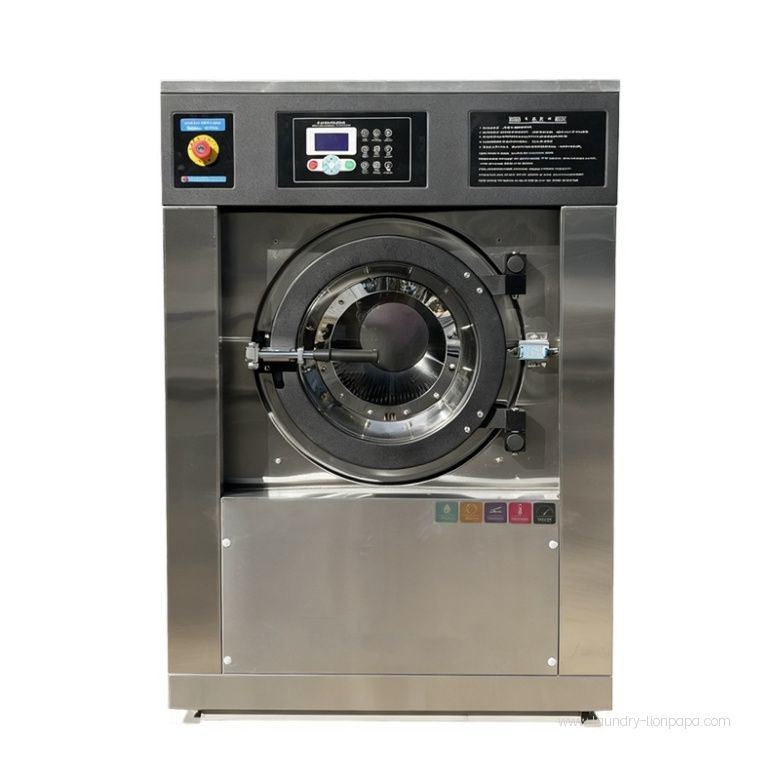
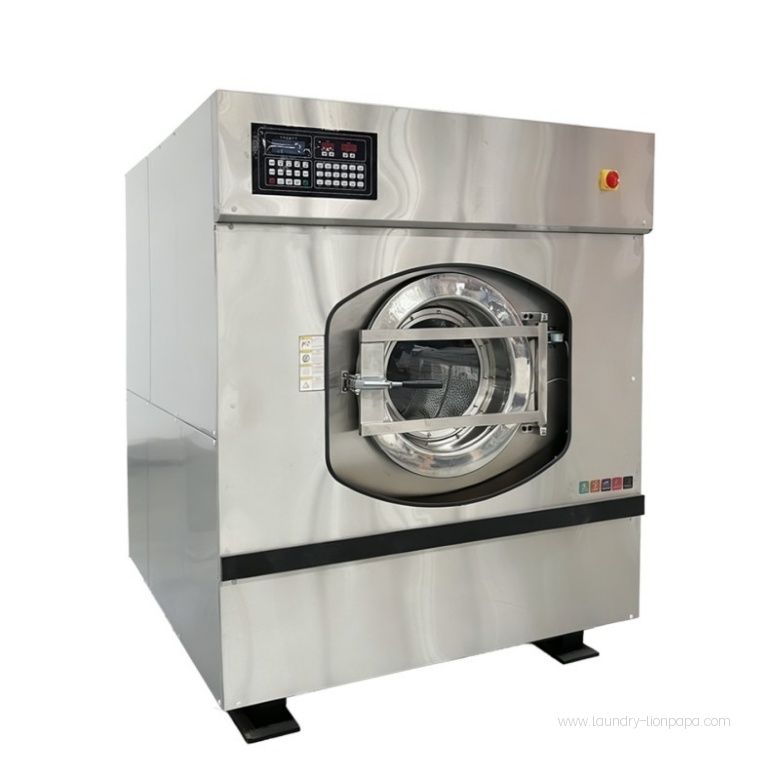
Selecting appropriate washing machine capacities requires understanding customer needs, space constraints, and revenue optimization principles. Proper capacity mix ensures customer satisfaction while maximizing revenue generation from available facility space.
Understanding Capacity Measurements
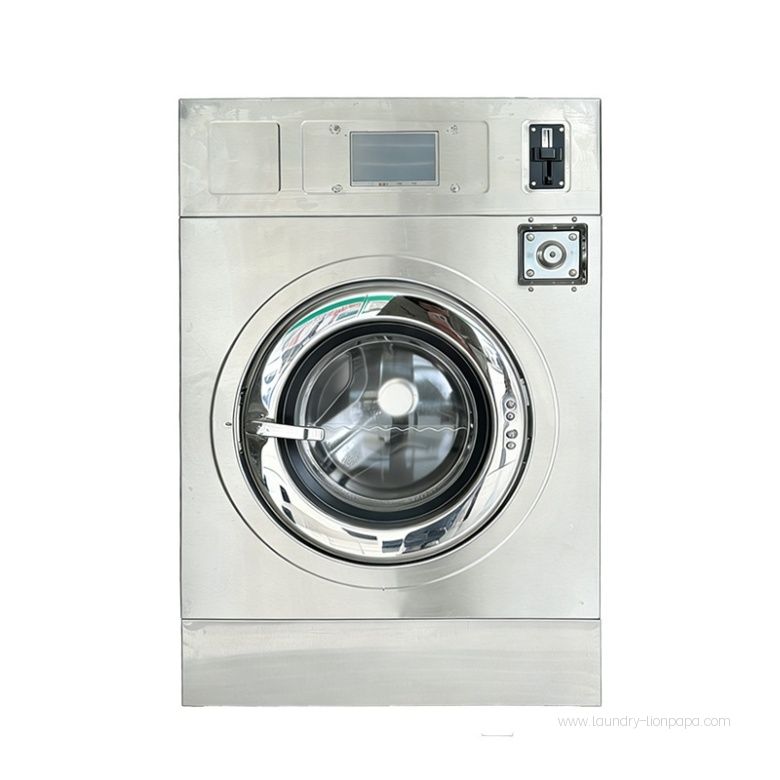
Commercial washing machine capacity typically refers to the weight of dry laundry that can be effectively cleaned in a single cycle. Standard capacities range from 12kg for smaller machines to 30kg or larger for heavy-duty commercial units. Capacity selection should align with typical customer load sizes.
Drum volume affects washing performance and customer satisfaction. Larger drums accommodate bulky items like comforters and sleeping bags that customers cannot wash at home. Drum dimensions and agitator design influence cleaning effectiveness for different fabric types and soil levels.
Customer Demand Analysis
Analyzing customer demographics and usage patterns informs capacity selection decisions. Facilities serving apartment dwellers typically see demand for medium-capacity machines that handle weekly family laundry. Student areas may see more frequent use of smaller capacity machines for individual loads.
Seasonal demand variations affect capacity requirements. Winter months may see increased demand for larger capacity machines to handle bulky items like blankets and coats. Summer may shift demand toward smaller capacity machines for lighter clothing loads.
Revenue Optimization by Capacity
Larger capacity machines typically generate higher revenue per cycle and per square foot of floor space. Customers willingly pay premium prices for the convenience of washing multiple loads or bulky items in single cycles. However, larger machines require proportionally greater initial investment.
Smaller capacity machines serve customers with lighter loads who may resist paying premium prices for larger machines. A balanced mix of capacities accommodates diverse customer needs and price sensitivities. Typical configurations include 40% medium capacity, 30% large capacity, and 30% smaller capacity machines.
Space Utilization Considerations
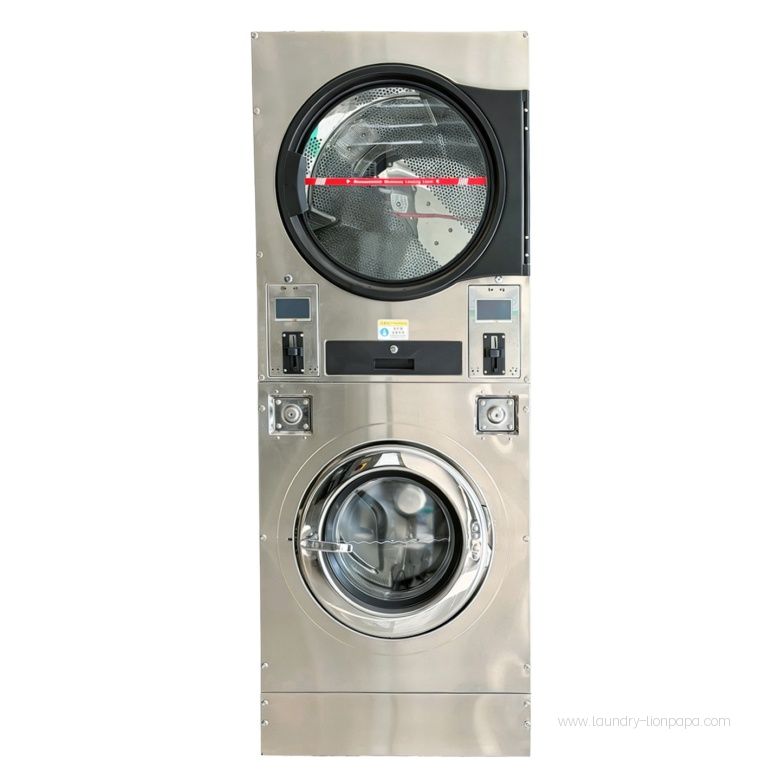
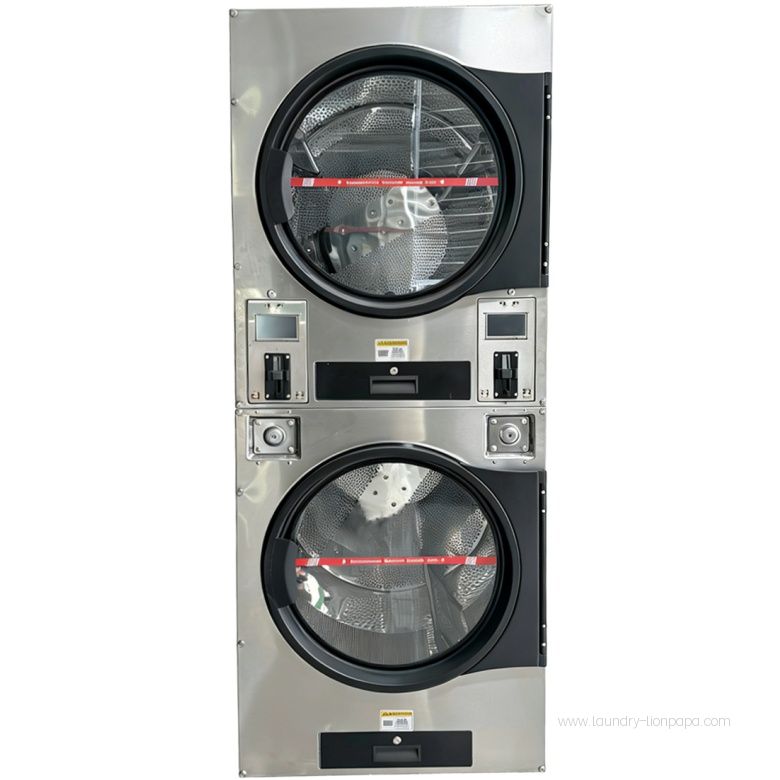
Larger capacity machines require more floor space and may limit total equipment count within available facility area. Stack washer-dryer configurations help maximize capacity within space constraints. Careful layout planning optimizes the balance between capacity variety and total equipment count.
Aisle width and customer flow patterns affect the practical capacity of facility layouts. Adequate space for laundry carts and customer movement ensures comfortable experiences. Overcrowding equipment reduces customer satisfaction and may negatively impact revenue.
Future Expansion Planning
Initial equipment selection should consider potential future expansion. Selecting equipment from manufacturers with extensive product lines facilitates adding compatible machines as business grows. Utility infrastructure planning should accommodate potential capacity increases.
Market evolution may shift customer preferences and capacity requirements over time. Equipment selection that allows flexibility in configuration helps adapt to changing market conditions. Modular equipment designs facilitate reconfiguration as demand patterns evolve.