Energy costs represent a significant portion of laundromat operating expenses, typically accounting for 15-25% of total operational costs. Implementing energy efficiency measures reduces operating expenses, improves profit margins, and demonstrates environmental responsibility that appeals to environmentally conscious customers.
High-Efficiency Equipment Selection
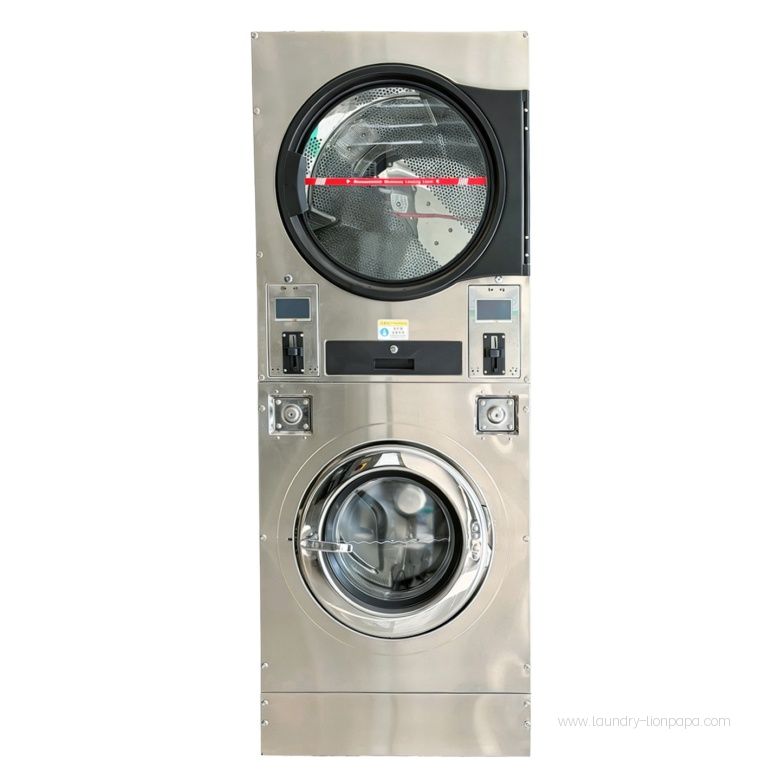
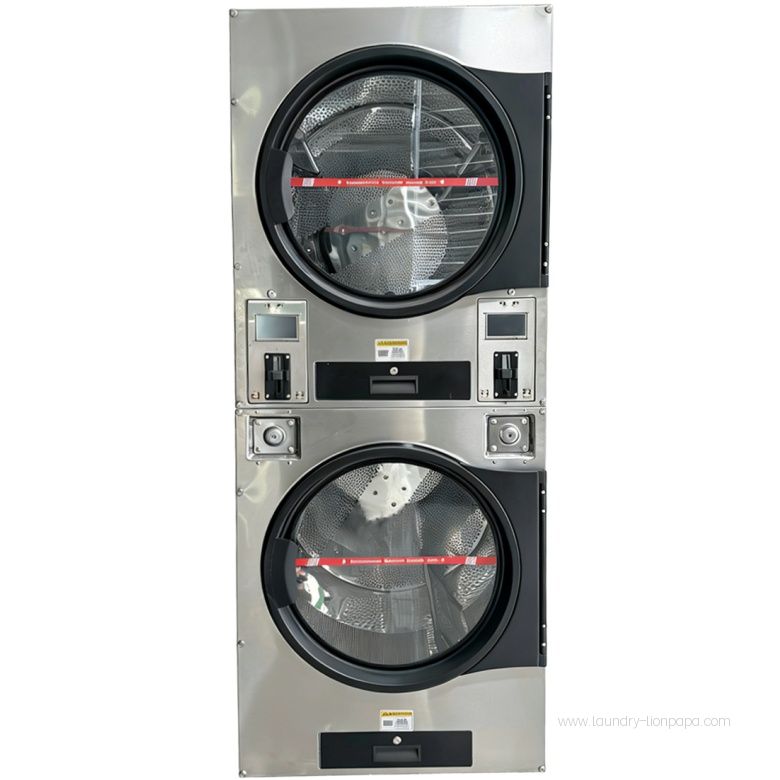
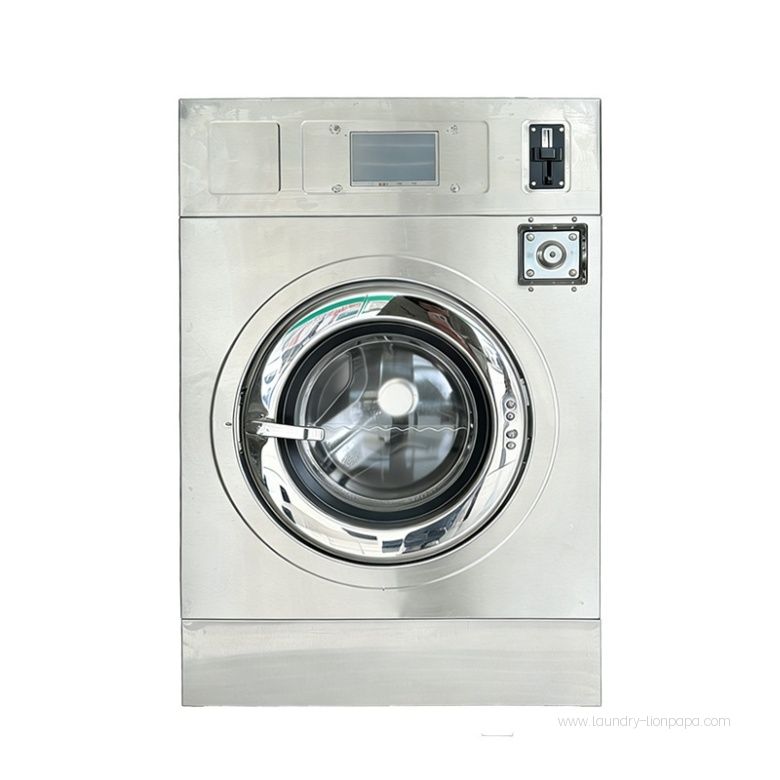
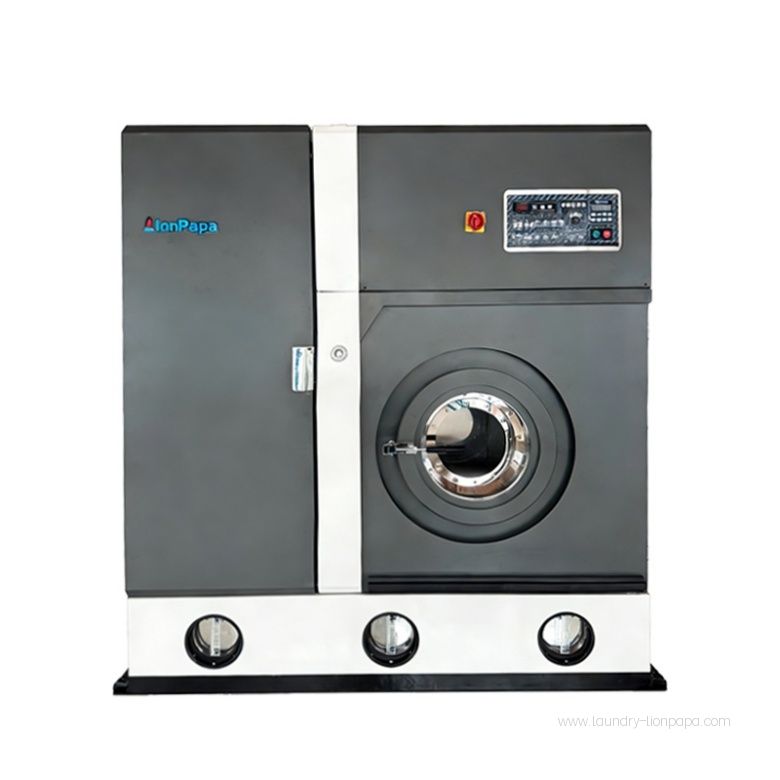
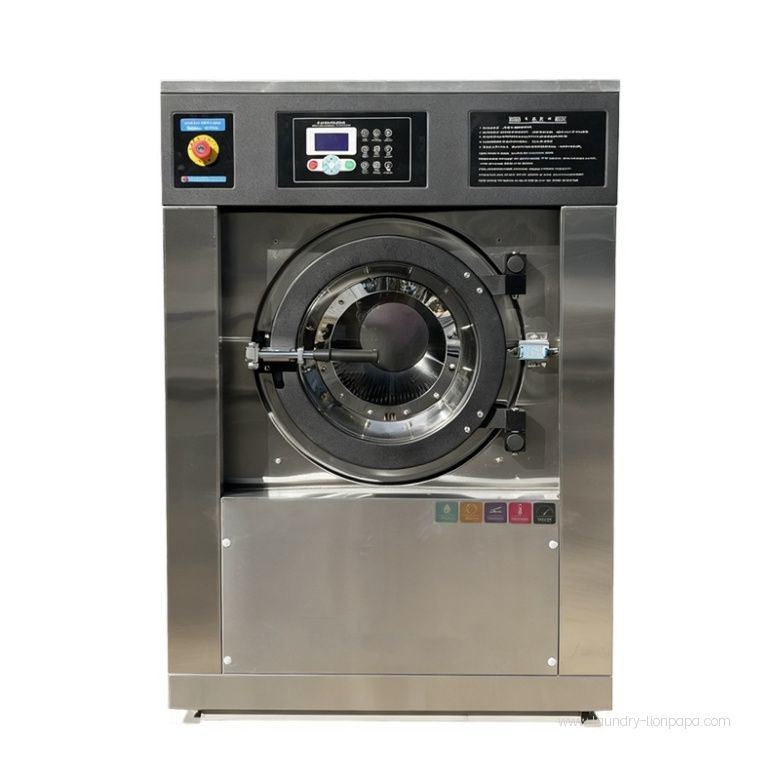
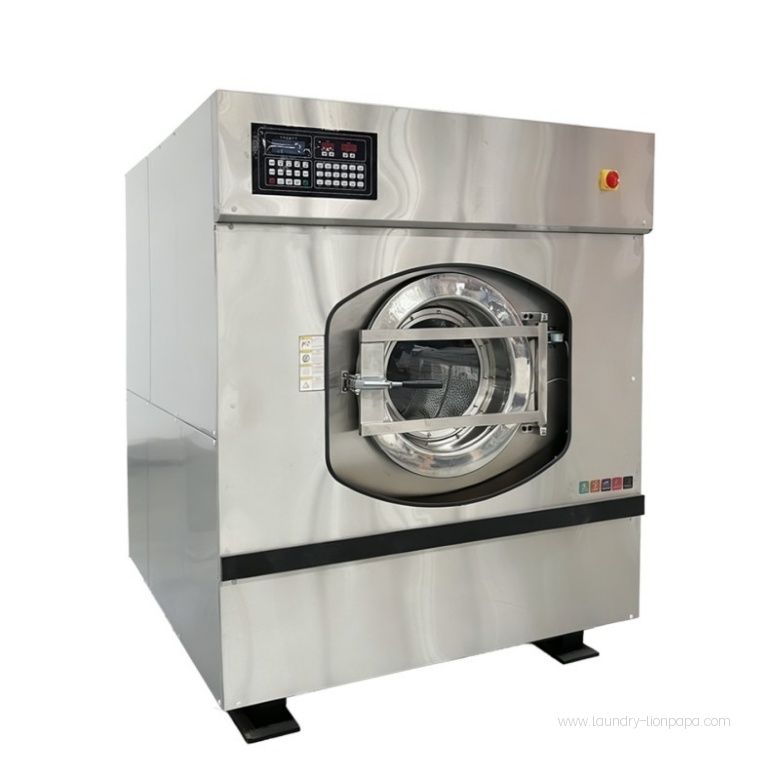
Modern commercial laundry equipment incorporates numerous energy-saving features that significantly reduce utility consumption. High-extraction washers remove more water during spin cycles, reducing drying time and energy requirements. Variable frequency drives optimize motor performance for different load conditions.
Energy Star certified equipment meets established efficiency standards and typically reduces energy consumption by 20-30% compared to standard models. While high-efficiency equipment may require greater initial investment, energy savings over equipment lifetime typically exceed the cost premium within 2-4 years.
Water Heating Optimization
Water heating represents a major energy expense in laundromat operations. High-efficiency water heaters with proper insulation reduce standby heat loss and improve overall efficiency. Tankless water heaters provide hot water on demand without maintaining large volumes of heated water.
Solar water heating systems can significantly reduce water heating costs in appropriate climates. While installation costs exceed conventional systems, solar heating can provide 50-70% of hot water requirements in sunny locations. Government incentives and rebates may offset a portion of installation costs.
Lighting and Climate Control
LED lighting reduces electricity consumption by 50-75% compared to traditional fluorescent or incandescent lighting. Motion sensors and timers ensure lights operate only when needed. Natural lighting through windows and skylights reduces daytime artificial lighting requirements.
Efficient climate control maintains customer comfort while minimizing energy consumption. Programmable thermostats adjust temperatures based on operating hours and occupancy patterns. Ceiling fans improve air circulation and reduce air conditioning requirements during warm weather.
Operational Practices
Encouraging customers to use cold water wash cycles reduces water heating energy consumption. Clear signage explaining the cleaning effectiveness of modern cold-water detergents addresses customer concerns about wash quality. Pricing incentives for cold water cycles can influence customer behavior.
Proper equipment loading improves washing and drying efficiency. Overloaded machines require additional cycles to achieve desired results, increasing energy consumption per load. Customer education about proper loading techniques improves results and reduces energy waste.
Monitoring and Analysis
Energy monitoring systems provide detailed consumption data that identifies efficiency opportunities. Sub-metering of major equipment categories reveals which systems consume the most energy. Analysis of consumption patterns identifies anomalies that may indicate equipment problems or operational inefficiencies.
Regular utility bill analysis tracks energy efficiency improvements and identifies unexpected consumption increases. Comparing energy costs as a percentage of revenue over time reveals efficiency trends and the impact of improvement initiatives.